Chronicling a Cultural Revolution: Jamel Shabazz and Wes Jackson Unpack Hip-Hop’s Golden Era at the Brooklyn Historical Society
In a groundbreaking move that bridges historical preservation with contemporary cultural relevance, the Brooklyn Historical Society is set to host an illuminating conversation between two titans of hip-hop culture: legendary photographer Jamel Shabazz and esteemed music producer and Brooklyn Bodega founder Wes Jackson. This highly anticipated event, part of the “Told It First-Hand: Conversations with Hip-Hop’s ‘Do-ers’” series, promises an unprecedented deep dive into the nascent stages of hip-hop, offering a rare glimpse into its evolution during the pivotal 1980s and early 1990s. Attendees will have the unique opportunity to hear firsthand accounts from individuals who were not just observers but active shapers of a global cultural phenomenon, as they discuss the journey of chronicling hip-hop greats before their superstardom.
Jamel Shabazz: A Visual Historian of Street Culture and Hip-Hop’s Soul
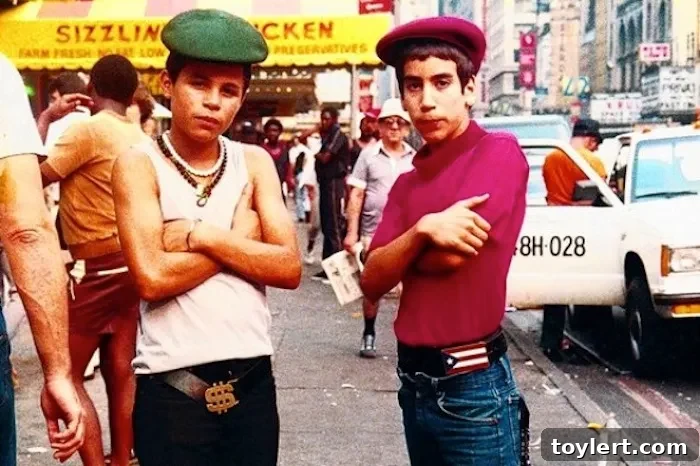
Jamel Shabazz’s name is synonymous with the visual documentation of early hip-hop. For decades, his camera has served as a critical lens, capturing the raw energy, authentic style, and profound humanity embedded within New York City’s burgeoning street culture. Long before hip-hop permeated mainstream consciousness, Shabazz was on the front lines, not merely taking photographs but forging connections and earning the trust of the communities he depicted. His iconic portraits encapsulate the spirit of an era, showcasing the vibrant fashion, intricate breakdancing moves, expressive graffiti art, and the everyday resilience of urban life that gave birth to hip-hop.
Shabazz’s work transcends mere photography; it is a vital historical record. His images have graced countless documentaries, books, and exhibitions, serving as essential reference points for understanding the genesis and development of hip-hop culture. From candid shots of youthful exuberance to poignant portrayals of urban poverty, Shabazz’s portfolio reflects the multifaceted reality of the streets. He possessed an innate ability to capture the dignity and swagger of his subjects, turning ordinary individuals into timeless icons. His photographs are not just pictures; they are narratives, telling stories of aspiration, creativity, and the unwavering spirit of a generation that found its voice through rhythm, rhyme, and visual expression.
His influence is profound, providing an invaluable visual archive that helps contextualize hip-hop’s rise from localized subculture to global movement. Through his eyes, we witness the birth of a fashion aesthetic that would redefine popular style, the genesis of dance forms that captivated the world, and the powerful artistic statements made through graffiti that transformed cityscapes into open-air galleries. This conversation with Wes Jackson offers a chance to understand the stories behind these legendary images and the challenges and joys of documenting a revolution in real-time, making Shabazz an indispensable figure in the preservation of hip-hop history.
Wes Jackson: A Pioneer in Music and Cultural Curation
Joining Shabazz in this illuminating dialogue is Wes Jackson, a respected figure whose contributions to hip-hop extend from music production to cultural entrepreneurship. As the founder of Brooklyn Bodega, Jackson has been instrumental in fostering discussions, events, and platforms that celebrate and preserve hip-hop’s rich heritage, particularly within its spiritual home of Brooklyn. His unique perspective, shaped by years within the music industry and a deep understanding of hip-hop’s commercial and artistic landscapes, makes him an ideal conversational partner for Shabazz, offering crucial insights into the business and cultural mechanisms that propelled hip-hop forward.
Jackson’s work with Brooklyn Bodega exemplifies a commitment to authentic storytelling and community engagement. By creating spaces for artists, scholars, and fans to converge, he has helped to ensure that the narratives of hip-hop’s architects are heard and appreciated. His role in this discussion is particularly crucial, as he can bridge the visual history captured by Shabazz with the auditory and experiential history of music production and event promotion. Together, they offer a comprehensive view of how hip-hop evolved from a grassroots phenomenon into a formidable cultural and economic force, providing a rare holistic perspective.
Their combined experience provides a rare opportunity to explore the intricacies of hip-hop’s early days—the challenges faced by artists, the DIY spirit that characterized its initial growth, and the cultural shifts it instigated. Jackson’s insights into the organizational and promotional aspects of music will undoubtedly complement Shabazz’s focus on visual documentation, offering a holistic understanding of how hip-hop took root and flourished in the diverse neighborhoods of New York City and beyond. Their synergy promises a captivating and informative exchange for all attendees.
“Told It First-Hand”: A Series for Authentic Narratives
This event is the second installment in the Brooklyn Historical Society’s thoughtfully curated series, “Told It First-Hand: Conversations with Hip-Hop’s ‘Do-ers’.” The series’ very title underscores its core mission: to provide an unfiltered platform for the voices of those who directly shaped hip-hop culture. In an era often dominated by secondary analyses, the value of firsthand accounts cannot be overstated. These conversations offer direct access to the memories, insights, and experiences of the individuals who were present at the inception and during the formative years of one of the 20th century’s most influential cultural movements, ensuring historical accuracy and depth.
The series is a testament to the Brooklyn Historical Society’s commitment to documenting living history, ensuring that the authentic narratives of pioneering figures like Shabazz and Jackson are preserved for future generations. By inviting these “do-ers” to share their personal journeys and professional insights, the series not only enriches our understanding of hip-hop but also reinforces the importance of diverse perspectives in historical discourse. It transforms abstract historical facts into compelling, relatable stories, fostering a deeper connection between the audience and the subject matter, making history vibrant and accessible.
Future installments in this series are poised to continue exploring various facets of hip-hop, bringing to light other unsung heroes and pivotal moments. The “Told It First-Hand” series is an invaluable initiative, ensuring that the legacy of hip-hop is celebrated through the voices of those who lived it, offering invaluable lessons on creativity, resilience, and cultural impact. It is a vital platform for capturing and sharing the narratives that have shaped this profound cultural phenomenon, directly from those who built it.
The Golden Era: Hip-Hop’s Rise in the 80s and Early 90s
The period between the 1980s and early 1990s is universally recognized as hip-hop’s “Golden Era,” a time of unparalleled creativity, innovation, and expansion. Born from the streets of the Bronx and rapidly spreading across New York City’s boroughs, including Brooklyn, hip-hop emerged as a powerful form of artistic expression, a vibrant subculture, and a voice for marginalized communities. This era saw the crystallization of hip-hop’s core elements: DJing, MCing, breakdancing, and graffiti art, each contributing to a unique and electrifying cultural tapestry that would soon captivate the world.
During these transformative years, artists like Grandmaster Flash and Afrika Bambaataa pioneered the art of DJing, using turntables as instruments to create revolutionary beats and break mixing techniques. MCs moved beyond simple party hypemen to become lyrical poets, crafting intricate rhymes that spoke to social injustices, celebrated street life, and showcased unparalleled wordplay and storytelling. Run-DMC, LL Cool J, Public Enemy, and the Beastie Boys represent just a fraction of the artists who defined this period, pushing boundaries and expanding hip-hop’s sonic landscape with their distinct styles and messages.
Breakdancing, or B-boying/B-girling, captivated audiences worldwide with its acrobatic moves and dynamic battles, becoming a global phenomenon that showcased incredible athleticism and artistry. Concurrently, graffiti artists transformed urban spaces into canvases, adorning subway cars and walls with intricate designs and vibrant colors, elevating street art to a legitimate form of artistic expression. Jamel Shabazz’s lens was crucial in documenting these evolving forms, capturing the fluid movements of dancers and the bold statements of graffiti artists, freezing these transient expressions in time for posterity.
The fashion of the 80s and early 90s hip-hop scene was equally iconic, characterized by bold colors, oversized apparel, gold chains, tracksuits, and customized sneakers. This street style was more than just clothing; it was a statement of identity, individuality, and cultural allegiance, influencing global trends and challenging established sartorial norms. Shabazz’s photographs are replete with these stylistic choices, offering a detailed visual record of how fashion became an integral component of hip-hop identity, showcasing its creativity and self-expression.
Beyond its artistic components, hip-hop in the Golden Era served as a potent social commentary. It provided an outlet for voices often unheard, addressing issues of systemic inequality, police brutality, and urban decay. It was a movement that gave agency to youth and fostered a sense of community, proving that art could instigate dialogue and drive social change. This period laid the foundational blueprint for hip-hop’s future, solidifying its status as not merely a genre of music but a comprehensive cultural revolution that continues to resonate globally, influencing music, art, and fashion for decades to come.
The Brooklyn Historical Society: Bridging Past and Present
The decision by the Brooklyn Historical Society to host an event focused on hip-hop underscores its evolving mission to reflect the multifaceted history of Brooklyn. Traditionally dedicated to documenting the borough’s distant past through archives and artifacts, the institution is now embracing a more inclusive and dynamic approach to history, recognizing that culture, especially vibrant and impactful movements like hip-hop, forms an integral part of Brooklyn’s ongoing narrative and identity.
This event exemplifies the Society’s dedication to engaging with diverse communities and making historical understanding relevant to contemporary audiences. By spotlighting hip-hop’s pioneers, the BHS demonstrates a commitment to chronicling the living history that shapes Brooklyn’s identity today. It recognizes hip-hop not as a fleeting trend but as a profound cultural force that has its roots firmly planted in the borough’s soil, alongside its more traditional historical narratives, thereby enriching the overall historical tapestry it preserves.
Such programming ensures that the Brooklyn Historical Society remains a vibrant and essential hub for cultural discourse, a place where the past informs the present and helps shape the future. It’s a testament to their forward-thinking vision that they are providing a platform for conversations that delve into the origins of a movement that continues to influence music, fashion, art, and social consciousness worldwide, all from a distinctly Brooklyn perspective, reaffirming its role as a leading cultural institution.
Event Details: A Must-Attend for Culture Enthusiasts
This enlightening discussion is scheduled for February 20 at 7 pm at the Brooklyn Historical Society. It represents a rare opportunity to gain insights directly from those who lived and breathed the early days of hip-hop, offering a perspective that textbooks and documentaries often cannot fully convey. Tickets for this unique event are affordably priced at $5, and each ticket includes a complimentary Brooklyn Brewery beer, providing an excellent opportunity for attendees to network and reflect on the discussions in a relaxed atmosphere, fostering community around this significant cultural heritage.
Spaces are limited, and given the prominence of the speakers and the cultural significance of the topic, early ticket purchase is highly recommended. Secure your spot to witness this captivating exchange and immerse yourself in the rich tapestry of hip-hop history, directly from the voices of its pioneers. Tickets can be purchased via Eventbrite, ensuring you don’t miss out on what promises to be an unforgettable evening of historical reflection and cultural celebration.
The convergence of Jamel Shabazz’s iconic photography and Wes Jackson’s industry expertise, hosted by the esteemed Brooklyn Historical Society, creates an event of significant cultural weight. It is an invitation to explore the roots of a global phenomenon, to understand the dedication of its pioneers, and to celebrate the enduring legacy of hip-hop from a deeply personal and authentic vantage point. Don’t miss this chance to experience history “Told It First-Hand,” gaining invaluable insights into the movement that changed the world.