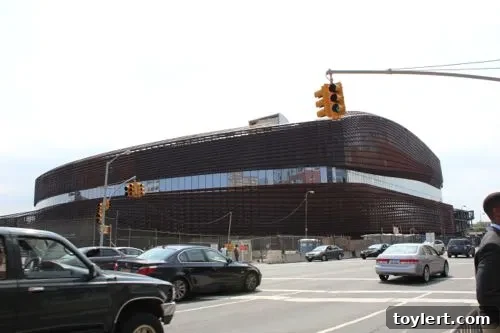
Barclays Center’s Liquor License Sparks Heated Debate at State Liquor Authority Hearings
The saga surrounding the Barclays Center’s liquor license continues to unfold, drawing significant attention from both arena operators and local community members. A crucial chapter in this ongoing narrative began yesterday with the first of two State Liquor Authority (SLA) hearings, convened to meticulously examine the fate of the entertainment venue’s alcohol service permissions. As anticipated, the Atlantic Yards Report, a diligent observer of developments in the area, was present to provide comprehensive, play-by-play coverage and insightful analysis of the proceedings.
These pivotal hearings have been necessitated by a critical oversight: the arena operators’ failure to fully disclose their intentions regarding late-night alcohol service. Specifically, it was revealed that certain sections of the arena were slated to serve alcohol as late as 2 a.m., a detail conspicuously absent when local community boards initially granted their conditional approvals. This lack of transparency has ignited a robust debate, pitting the economic interests and operational needs of a major urban venue against the quality of life and concerns of its residential neighbors in Brooklyn.
The Genesis of the Controversy: Undisclosed Late-Night Plans
The core of the current dispute lies in a significant lapse in communication and transparency. Prior to these hearings, Community Boards 2 and 6, representing the immediate surrounding neighborhoods, had given their provisional blessings to the Barclays Center’s operational plans. These approvals, however, were predicated on the information available at the time, which critically omitted the arena’s intent to serve alcoholic beverages until 2 a.m. in specific areas. The subsequent revelation of these extended hours naturally caused alarm among residents and prompted a re-evaluation by regulatory bodies.
For community boards, the initial approval process is a delicate balance of supporting economic development while safeguarding the well-being of their constituents. When vital information, such as the duration of alcohol service, is withheld, it undermines the trust established during negotiations and renders earlier approvals potentially invalid in the eyes of the community. This specific detail – the 2 a.m. cutoff – has profound implications for noise levels, public safety, traffic congestion, and the general character of a densely populated residential area during late-night hours.
The First SLA Hearing: A Clash of Voices
Yesterday’s hearing, held in Harlem, provided the initial public forum for these competing interests. While only a small contingent of three individuals made the journey to express their direct opposition to the arena’s proposed late-night drinking hours, the arena’s management arrived with a substantial show of force. They presented more than 50 letters of support, aiming to demonstrate widespread backing for their liquor license application. This disparity in attendance and presented support highlights the challenges faced by grassroots community movements in mobilizing against well-resourced corporate entities.
A notable absence at the hearing was official representation from either Community Board 2 or 6, neither of whom sent delegates to formally request an opportunity to reconsider their initial votes of support. This might seem surprising given the revelations about undisclosed late-night plans. However, a representative for FCR (Forest City Ratner, the arena’s head of external affairs at the time) offered some insight into the community boards’ current position. He stated, “The Community Boards feel like we were sensitive to their concerns, agreed to many of the stipulations, and expressed a willingness to continue to work together.” This statement suggests an ongoing dialogue and perhaps an attempt by the arena operators to mitigate concerns behind the scenes, potentially preventing a full retraction of initial support.
The FCR representative further elaborated, “I believe they have corresponded directly with Michael Jones [of SLA]…that they may potentially want to reopen things, but at this point their position is we were sensitive to their concerns.” This indicates that while the community boards have not yet formally moved to rescind their votes, the door for reconsideration remains open, and the SLA is aware of this potential. Such correspondence underscores the fluid nature of these negotiations and the complex interplay between developers, community representatives, and state regulators.
Community Voices: Senator Montgomery’s Concerns
Despite the limited direct opposition at the hearing, strong concerns were articulated by a representative for State Senator Velmanette Montgomery. Emphasizing the unique context of the Barclays Center, the representative argued that the “arena is truly unique in its proximity to a residential neighborhood.” This proximity, they contended, makes the impact of late-night alcohol service far more significant than it might be for a venue situated in a less densely populated or commercial zone.
The argument extended to the ripple effect that the arena’s policies could have on the broader neighborhood. It was suggested that extensive post-game or post-event drinking within the arena could pressure local bars to also extend their operating hours to compete or simply to accommodate spillover crowds. This, the Senator’s representative warned, could lead to “a tremendous change in the character of the neighborhood.” Such changes could manifest as increased noise pollution well into the early morning hours, heightened pedestrian and vehicular traffic, potential issues with public intoxication and disorder, and an overall shift from a predominantly residential atmosphere to one dominated by late-night entertainment activities.
The quality of life for long-term residents, particularly families and seniors, is a paramount concern. The introduction of late-night alcohol sales on a large scale could disrupt sleep patterns, diminish feelings of safety, and fundamentally alter the peaceful enjoyment of their homes and community spaces. This aspect forms a crucial part of the opposition’s argument, highlighting that the effects extend far beyond the arena’s property lines and into the very fabric of the surrounding Brooklyn communities.
The Broader Context: Barclays Center and Urban Development in Brooklyn
The Barclays Center, inaugurated in 2012, stands as a prominent fixture in Brooklyn’s urban landscape. As the centerpiece of the larger Atlantic Yards project (now known as Pacific Park Brooklyn), its construction was fraught with years of debate, controversy, and promises regarding economic revitalization and community benefits. While the arena has undoubtedly brought significant events, tourism, and job opportunities to the borough, its integration into a historic and vibrant residential area has consistently posed challenges.
Large-scale developments like the Barclays Center are always subject to intense scrutiny, especially when they directly abut established residential zones. The planning process for such projects typically involves extensive community engagement, public hearings, and the negotiation of various stipulations designed to mitigate negative impacts. Transparency and full disclosure are paramount in these processes, as they build the trust necessary for successful co-existence between new developments and existing communities.
This liquor license dispute serves as a microcosm of the larger tensions inherent in rapid urban development. It underscores the perpetual balancing act between fostering economic growth, providing entertainment and cultural venues, and preserving the unique character and livability of established neighborhoods. The SLA, as the regulatory body, is tasked with navigating these complex waters, ensuring that commercial operations adhere to state laws while also considering the welfare and quality of life of the public.
Potential Impacts on Neighborhood Character and Local Economy
The Senator’s representative’s concerns about a “tremendous change in the character of the neighborhood” are not merely speculative; they stem from legitimate worries about the socio-economic and cultural shifts that can accompany large-scale venue operations, particularly those involving late-night alcohol service. Beyond increased noise and potential disorder, there are significant implications for existing local businesses and the overall identity of the area.
For instance, if the Barclays Center extends its alcohol service to 2 a.m., it could create fierce competition for nearby bars and restaurants, potentially siphoning off late-night patrons. This pressure might force smaller, independent establishments, which are often cornerstones of local identity, to adapt their business models, extend their own hours, or even face closure. Such changes could lead to a more homogenized commercial landscape, eroding the unique, diverse offerings that define many Brooklyn neighborhoods.
Furthermore, an increase in late-night activity around the arena could inadvertently attract different types of businesses or lead to changes in existing ones, catering more to transient arena visitors than to the daily needs of residents. This gradual shift can alter the very essence of a neighborhood, making it less resident-focused and more event-driven, which can be unsettling for those who have called the area home for years or decades.
The issue of public safety also looms large. While arenas typically employ their own security, the dispersal of large crowds after 2 a.m., potentially under the influence of alcohol, can strain local law enforcement resources and increase the risk of incidents outside the venue’s immediate purview. These considerations highlight the multifaceted nature of the challenge facing the SLA and all stakeholders involved.
Looking Ahead: The Significance of the Second Hearing
The first hearing served as an initial sounding board, revealing the key arguments and the current positions of the various parties. The second hearing, scheduled for June 20, promises to delve deeper into these issues and potentially bring forth more decisive actions or further negotiations. It will be an opportunity for all involved to present additional evidence, testimonies, and proposals, aiming to sway the SLA towards a favorable outcome for their respective interests.
The SLA’s final decision will not only impact the Barclays Center’s operational capabilities but also set a precedent for how large entertainment venues in densely populated urban environments are regulated, especially concerning late-night amenities. It underscores the critical need for comprehensive planning, full transparency, and ongoing dialogue between developers, government bodies, and the communities they serve. The outcome of these hearings will undoubtedly shape the future relationship between the Barclays Center and its Brooklyn neighbors, influencing the delicate balance between urban dynamism and residential tranquility.
For more detailed insights and ongoing coverage of last night’s meeting, readers are encouraged to visit the Atlantic Yards Report archives. Lots more details from last night’s meeting at AYR.