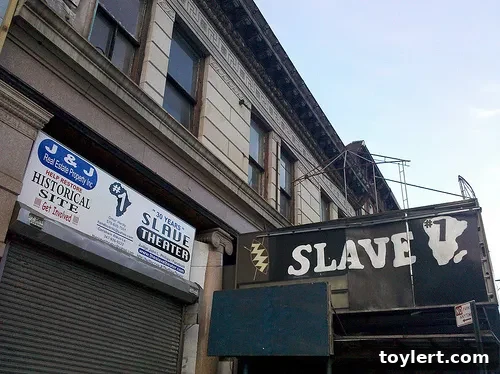
The Enduring Legacy and Uncertain Future of Bed-Stuy’s Slave Theater
A pivotal cultural institution in Brooklyn faces a crucial juncture, sparking debate over development versus historic preservation.
A Beacon of Afrocentric Culture: The Vision of Judge John Phillips
The Slave Theater, a name deliberately chosen to evoke the struggles and triumphs of the African diaspora, stands as a profoundly significant cultural landmark in the heart of Bed-Stuy, Brooklyn. Conceived and brought to life by the late Brooklyn Civil Court Judge John Phillips, this institution was, in its prime, a vibrant Afrocentric cultural center. Judge Phillips envisioned the theater as more than just an entertainment venue; it was a sanctuary for Black arts, a forum for intellectual discourse, and a rallying point for community activism. His dedication to fostering Black identity and empowerment through culture made the Slave Theater a unique and cherished space, leaving an indelible mark on generations of Brooklynites.
For decades, the theater on Fulton Street served as a crucible for Black creativity, hosting everything from plays and musical performances to political rallies and educational workshops. It was a place where Black voices could be heard, Black stories could be told, and Black pride could flourish, free from the constraints and biases often found in mainstream institutions. The theater’s programming reflected a deep commitment to its mission, offering a diverse array of events that celebrated African and African-American heritage. This made it not just a local attraction but a destination for those seeking authentic cultural expression and community engagement within the vibrant tapestry of Bed-Stuy.
Financial Straits and the Looming Auction
Following the passing of its visionary founder, Judge John Phillips, the estate has grappled with significant financial challenges, casting a long shadow over the future of the beloved Slave Theater. These struggles have culminated in the property being placed on the market, with an auction initially slated for August 9th. However, this critical date has since been pushed back to November, offering a temporary reprieve and allowing more time for potential buyers and community advocates to mobilize. The New York Daily News reported that the estate has already received five compelling offers to acquire the troubled property, signaling intense interest in this prime Brooklyn location.
The financial burden facing Judge Phillips’ estate is substantial. According to his nephew, Rev. Samuel Boykin, who now manages the estate, there are considerable liabilities. Specifically, the Slave Theater itself carries $190,000 in liens, a testament to the ongoing operational and maintenance costs that have accrued over time. Furthermore, the total liabilities across all of Judge Phillips’ properties amount to a staggering $3.4 million. This complex financial situation underscores the urgency of finding a solvent and committed buyer, one who can not only meet the asking price but also navigate the intricacies of the estate’s obligations. The estate’s primary criterion for a buyer is clear: “who can show they can close on this sale,” emphasizing the need for financial reliability and a swift, secure transaction.
Diverse Bids: Condos, Retail, and a Reimagined Cultural Hub
The flurry of interest surrounding the Slave Theater has brought forth a diverse array of proposals, each vying for a piece of this historic Bed-Stuy edifice. All five current offers hover around the $2 million mark, reflecting both the property’s inherent value and the competitive nature of the Brooklyn real estate market. These proposals paint vastly different pictures for the future of the iconic building, ranging from commercial ventures to mixed-use developments, and even a partial return to its cultural roots.
Among the most prominent contenders is a condo developer, identified as Ore International. This firm is no stranger to the Brooklyn landscape, having a track record of successful condo conversions of historic rowhouses and the construction of new residential buildings in sought-after neighborhoods like Clinton Hill, Prospect Park South, and Carroll Gardens. Their interest suggests a transformation of the Slave Theater site into modern residential units, a common trajectory for properties in rapidly gentrifying areas. Such a development, while potentially lucrative, raises questions among community members about the preservation of the theater’s original intent and its historical significance.
Beyond residential conversions, other proposed plans include the establishment of a clothing retailer, a move that would significantly alter the building’s function from a cultural space to a commercial shopping destination. Another intriguing offer involves a combination approach: a Red Roof Inn, a well-known hotel chain, integrated with a theater component. This particular proposal hints at a potential compromise, blending commercial viability with an attempt to retain some semblance of the building’s original purpose, albeit likely in a much different capacity than Judge Phillips envisioned.
The New Brooklyn Theater: A Community-Driven Preservation Effort
Amidst the commercial bids and development proposals, a powerful community-led initiative is fighting for the preservation of the Slave Theater’s cultural legacy. The New Brooklyn Theater, a dedicated non-profit organization, has emerged as a passionate advocate for acquiring the property and transforming it into a vibrant center for Brooklyn performing arts. While they are not among the initial five entities to submit formal offers to the estate, their commitment to the theater’s original mission remains unwavering.
Recognizing the profound historical and cultural importance of the Slave Theater to Bed-Stuy and beyond, The New Brooklyn Theater has launched an ambitious Kickstarter campaign. This crowdfunding effort aims to galvanize community support and raise the necessary funds to make a competitive bid for the property. Their vision is clear: to restore the theater to its former glory, enhancing its facilities while staying true to its Afrocentric roots, and creating a modern, accessible hub for diverse performing arts. This initiative represents a direct counter-narrative to the prevailing development trends, emphasizing cultural continuity and community ownership over commercial profit.
The success of The New Brooklyn Theater’s campaign hinges on widespread public engagement and financial contributions. It is a testament to the enduring power of community activism and the belief that certain landmarks are irreplaceable assets, deserving of preservation for future generations. Their efforts highlight a broader struggle in many urban centers: balancing economic growth and development with the urgent need to protect and nurture cultural institutions that define a neighborhood’s unique identity.
Bed-Stuy’s Changing Landscape and the Fight for Identity
The saga of the Slave Theater is emblematic of the broader changes sweeping through Bed-Stuy and many historically significant Brooklyn neighborhoods. Once a bastion of African-American culture and community, areas like Bed-Stuy have experienced rapid gentrification in recent decades. This transformation brings both opportunities and challenges. While new businesses and residents can infuse vitality into an area, there is also a palpable concern about the displacement of long-standing residents, businesses, and, crucially, cultural institutions like the Slave Theater.
The debate over the theater’s future is therefore not just about a single building; it’s a microcosm of the larger battle for the soul of Bed-Stuy. Will development erase the unique cultural fabric that makes the neighborhood special, or can a harmonious balance be struck between progress and preservation? The community’s passionate response to the potential sale of the Slave Theater underscores how deeply residents value their history and the spaces that embody it. The property at 1215 Fulton Street represents more than just real estate; it is a repository of memories, struggles, and triumphs for the community it served.
The outcome of this auction will send a powerful message about the priorities of urban development in Brooklyn. Will it be a victory for commercial interests, or will the collective will of the community, as championed by groups like The New Brooklyn Theater, succeed in safeguarding a vital piece of Bed-Stuy’s cultural patrimony? The decisions made in the coming months will determine whether the Slave Theater continues to echo with the sounds of performance and activism, or transforms into something entirely new, forever altering a significant chapter of Brooklyn’s history.