After years of fervent debate, community engagement, and complex urban planning challenges, the long-awaited future of Crown Heights’ iconic Bedford-Union Armory has finally been charted. This venerable former military facility, a cornerstone of Brooklyn’s rich history, is poised for a transformative residential redevelopment, marking a significant chapter in the ongoing evolution of one of New York City’s most vibrant neighborhoods.
The Bedford-Union Armory: A Legacy Reimagined in Crown Heights
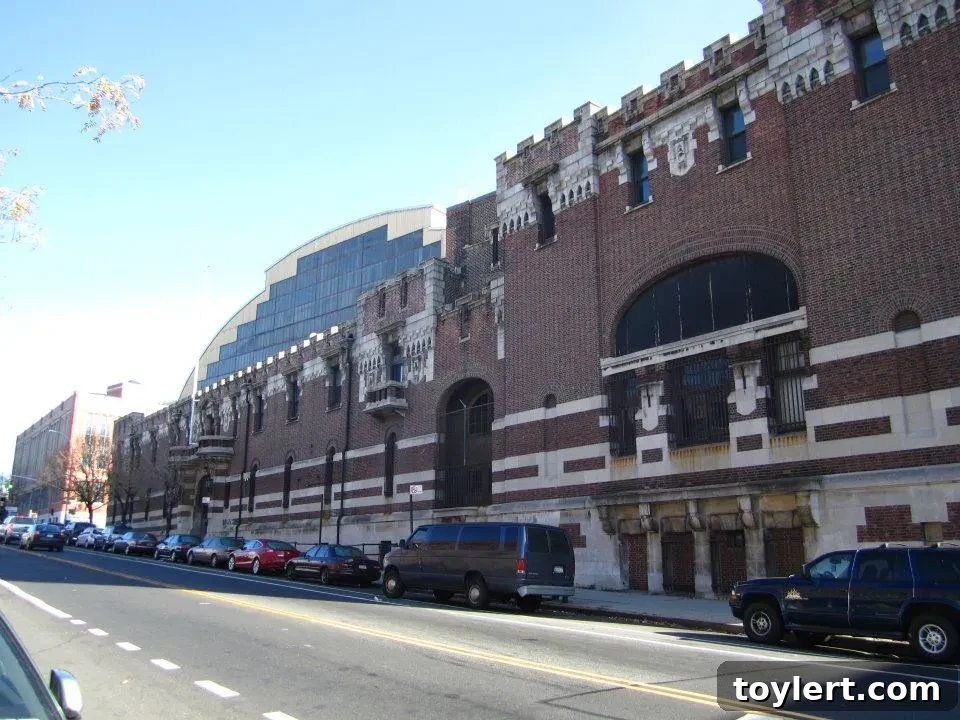
The decision to convert the sprawling 138,000-square-foot property, located majestically at 1555 Bedford Avenue, into a mixed-use residential and recreational hub culminates over a decade of uncertainty and robust community advocacy. Built in 1903, the Bedford-Union Armory originally served as the esteemed home for the Troop C Cavalry Unit. Its imposing architecture and grand scale speak to an era of military pageantry and civic pride, making it not just a building, but a monumental piece of Crown Heights’ historical tapestry. Its transfer from state to city control in 2013 opened the floodgates for a public dialogue on its potential reuse, sparking hopes and dreams among residents for a development that truly served local needs.
The armory’s impressive stature and historical significance have always placed it at the heart of community discussions regarding its fate. As one of only two armories within the Crown Heights district, its redevelopment carries profound implications for local character, housing dynamics, and recreational opportunities. The process initiated by the city’s request for developer proposals following its acquisition was designed to solicit innovative ideas for adaptive reuse, balancing the need for preservation with the demands of a growing urban population. This public deliberation phase involved numerous meetings and forums, where the voices of Crown Heights residents became instrumental in shaping the vision for the armory’s next chapter.
Community Voices: Shaping the Future of a Local Landmark
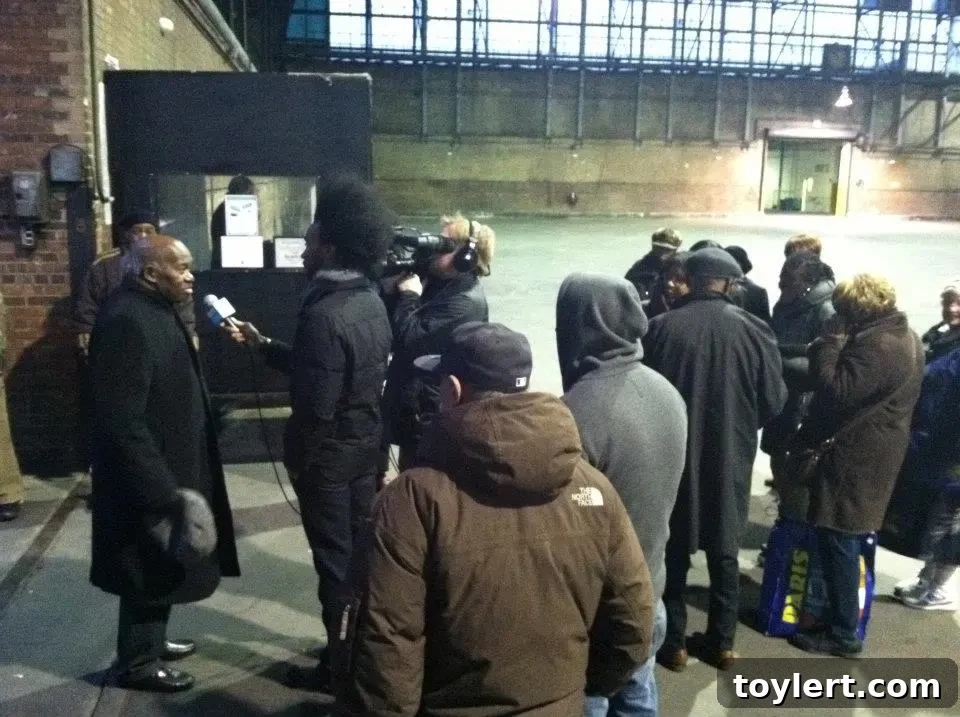
For many years, the Bedford-Union Armory remained largely dormant, occasionally hosting large-scale events such as weddings, fundraisers, and various gatherings, but largely inaccessible to the everyday community. This underutilization fueled a powerful grassroots movement among Crown Heights locals, who passionately advocated for the space to be repurposed in a manner that directly benefited the community. Their collective vision centered on essential amenities: the creation of much-needed affordable housing, state-of-the-art fitness facilities, or other public services that would genuinely enhance the quality of life for neighborhood residents.
The journey to the current development plan was not without its challenges and rejections. Earlier proposals, including a contentious plan to convert the armory into a hotel, met with strong opposition from residents. The community consistently voiced concerns that such a commercial venture would not align with the pressing needs of Crown Heights, particularly regarding housing affordability and accessible public spaces. Alternative concepts, such as transforming the armory into a senior center or a small-business incubator, were also considered and discussed, reflecting the diverse aspirations for the site. This extensive public engagement underscored a fundamental desire within the community: that any redevelopment should prioritize local welfare over purely commercial interests, ensuring that the historic structure would serve its neighbors for generations to come.
The Chosen Path: A Comprehensive Mixed-Use Redevelopment
The definitive plan for the Bedford-Union Armory, as reported, involves a significant mixed-use redevelopment led by a private developer, carefully chosen after an exhaustive review process. This ambitious project seeks to revitalize the entire site, blending modern residential offerings with essential public amenities. Central to the residential component are twelve new private townhouses, strategically planned for construction within the armory’s historic former President Street horse stables, a respectful nod to the building’s original functions while providing contemporary living spaces. Alongside these exclusive residences, the development will feature a substantial mix of both affordable and market-rate apartments, addressing a critical need for diverse housing options in the rapidly evolving Crown Heights real estate market.
Beyond the residential units, a cornerstone of this redevelopment—and a direct response to years of community advocacy—is the establishment of a state-of-the-art public recreation center. This facility is slated to be operated by CAMBA, a highly respected nonprofit organization renowned for its extensive community services in New York City. The center promises to be a vibrant hub for activity, equipped with an impressive array of features designed to serve residents of all ages. Plans include a full-size swimming pool, offering opportunities for aquatic fitness and leisure; three modern basketball courts, catering to sports enthusiasts and local leagues; and a versatile indoor soccer field, providing year-round access to athletic pursuits. This comprehensive recreational offering is set to become a vital community asset, fostering health, wellness, and social interaction within Crown Heights.
Impact and Implications for Crown Heights and Brooklyn
The redevelopment of the Bedford-Union Armory represents a pivotal moment for Crown Heights, with far-reaching implications for its social fabric and urban landscape. On one hand, the project promises to inject much-needed vitality into a historic but underutilized space. The provision of new housing, especially the inclusion of affordable units, is a critical step in addressing Brooklyn’s pervasive housing crisis. Furthermore, the creation of a modern public recreation center, managed by a reputable organization like CAMBA, stands to significantly enhance community well-being, providing invaluable resources for local youth and families.
However, like any large-scale urban development, this project also brings with it discussions around broader trends such as gentrification and sustained affordability. While the inclusion of affordable housing is a positive step, the balance between market-rate units, luxury townhouses, and truly affordable options will be continuously scrutinized by the community. Ensuring equitable access to the new recreational facilities and mitigating potential displacement of long-term residents remains a priority for local advocates and city planners alike. The armory’s transformation is emblematic of the ongoing challenges and opportunities faced by historic neighborhoods in thriving urban centers, where preserving heritage must go hand-in-hand with meeting the demands of contemporary growth.
Adaptive Reuse: A Model for Urban Revitalization
The Bedford-Union Armory project stands as a compelling example of adaptive reuse, a sustainable development strategy that involves repurposing existing buildings for new functions. In a dense urban environment like Brooklyn, where undeveloped land is scarce, breathing new life into historic structures like the armory is not only environmentally responsible but also preserves the architectural legacy and unique character of a neighborhood. This approach avoids the carbon footprint associated with new construction and often results in buildings with unique aesthetics and rich backstories.
By transforming a century-old military facility into a modern residential complex and community center, the project demonstrates how careful planning can bridge the past and the future. It highlights the potential for derelict landmarks to become vibrant community assets, fostering economic activity, cultural enrichment, and social cohesion. The armory’s new identity will contribute to the ongoing narrative of Crown Heights as a dynamic, resilient community that continually adapts and innovates while honoring its deep historical roots.
Looking Ahead: The Armory’s Enduring Legacy
As construction progresses and the Bedford-Union Armory transitions into its new role, its impact on Crown Heights will be closely observed. This redevelopment is more than just a construction project; it is a testament to the power of community engagement, strategic urban planning, and the enduring value of historic preservation. The blend of private residences with publicly accessible amenities aims to create a harmonious environment that serves a diverse populace. The armory’s journey from a military training ground to a vibrant neighborhood hub embodies the spirit of Brooklyn itself—a place of constant evolution, rich history, and unwavering community pride. Its transformation is set to leave an indelible mark on Crown Heights, shaping its future for decades to come as a symbol of successful urban revitalization and community-driven development.