Revisiting 4th Avenue: A Community’s Quest for Safer Streets and Enhanced Urban Living in Brooklyn
Urban development and street design are dynamic processes, constantly evolving to meet the complex needs of a city’s residents. In bustling metropolitan areas like New York City, the transformation of major arteries is not merely about aesthetics; it’s fundamentally about enhancing public safety, improving the quality of life, and fostering vibrant communities. A prime example of this ongoing dialogue between civic planners and local residents is the proposed redesign of 4th Avenue in Brooklyn, a project that has sparked considerable discussion and engagement within Community Board Six and the wider Park Slope neighborhood. This initiative underscores the intricate balance required to modernize urban infrastructure while diligently addressing diverse community concerns.
The Genesis of a Redesign: Why 4th Avenue Demands Attention
4th Avenue, stretching significantly through Brooklyn, serves as an essential transportation corridor, connecting various neighborhoods and facilitating movement across the borough. Historically, its design has been largely optimized for high vehicular traffic, prioritizing the rapid flow of cars and trucks. However, this focus has inadvertently created numerous challenges over the years. Pedestrians often face wide, intimidating intersections and limited safe crossing opportunities, making daily commutes risky. Cyclists navigate busy, often unprotected lanes, leading to increased safety hazards and a reluctance among many to use bicycles for transportation.
Beyond safety, 4th Avenue’s character, dominated by through-traffic and lacking significant green infrastructure, has fostered a sense of disconnect between the vibrant communities it bisects, such as Park Slope, Gowanus, and Sunset Park. Residents frequently voice concerns about excessive noise pollution, poor air quality, and the conspicuous absence of green spaces, all of which detract from the urban experience and hinder community cohesion. The streetscape, often characterized by utilitarian infrastructure, offers little in the way of visual appeal or places for social interaction.
Recognizing these pressing issues and the avenue’s immense potential for revitalization, the New York City Department of Transportation (NYC DOT) developed a comprehensive plan for a safety overhaul along 4th Avenue. The core objectives of this proposed redesign were multifaceted: to significantly reduce traffic-related injuries and fatalities, aligning with the city’s Vision Zero initiative; to create a more hospitable and accessible environment for pedestrians and cyclists; and to integrate the avenue more seamlessly into the surrounding communities, transforming it from a barrier into a connective artery. Proposed enhancements typically include strategies such as “road diets,” which involve reallocating existing traffic lanes for other uses like wider sidewalks or bike lanes; the installation of protected bike lanes, offering a safer dedicated space for cyclists; widened sidewalks to improve pedestrian flow, comfort, and safety; and the introduction of new pedestrian plazas, turning previously underutilized asphalt spaces into valuable community assets.
Furthermore, the plan aimed to implement improved crosswalk designs, enhance visibility at intersections, and introduce various traffic calming measures like speed bumps, raised intersections, or curb extensions to slow vehicular speeds and make crossings safer. Opportunities for strategic tree planting and urban landscaping were also explored to introduce greenery, improve air quality, and enhance both the aesthetic appeal and ecological value of the corridor. These interventions collectively seek to transform 4th Avenue into a more balanced, safer, and attractive urban thoroughfare that serves all modes of transport and strengthens the fabric of Brooklyn’s neighborhoods.
Community Engagement and Initial Hurdles in Park Slope
The democratic process inherent in New York City’s urban planning dictates that community input is not just important, but absolutely essential for successful and sustainable development. When the NYC DOT initially unveiled its plans for the comprehensive 4th Avenue redesign, the proposal underwent rigorous review by Community Board Six, the local advisory body specifically representing the interests of residents and businesses in the affected area, including the lively Park Slope neighborhood. The project began its journey through the approval process with what appeared to be a hopeful start.
The Transportation Committee, a specialized subcommittee within Community Board Six, meticulously reviewed the detailed engineering and planning documents provided by the DOT. After careful consideration, weighing the potential benefits of enhanced safety and improved public spaces against anticipated impacts on traffic flow and parking, the committee initially approved the plans. This initial endorsement signaled a clear recognition of the urgent need for safety improvements on a dangerous thoroughfare and an alignment with the city’s broader Vision Zero goals, which are committed to eliminating traffic fatalities and serious injuries on city streets.
However, the journey of urban transformation is rarely a straightforward path. Following the committee’s approval, the full Community Board Six convened to cast its final vote on the redesign. During this broader discussion, additional concerns from various stakeholders within the community emerged, highlighting the diverse perspectives present in a dense urban environment. These concerns frequently revolve around potential negative impacts such as the loss of valuable parking spaces, which can directly affect local businesses and residents relying on street parking; the perceived increase in traffic congestion that might be diverted onto adjacent, smaller residential streets; and general anxieties about how significant structural changes might alter the familiar character of a vital thoroughfare. Local business owners often worry about accessibility for customers and deliveries during construction and after completion. Residents might be concerned about the loss of mature trees if not carefully planned, or the aesthetic implications of new street furniture.
Ultimately, after robust debate and careful consideration of these diverse perspectives and the nuanced feedback received, the full Community Board Six nixed the DOT’s plans for a safety overhaul along 4th Avenue. This pivotal decision clearly highlighted the intricate balance required between city-wide planning goals—such as universal safety standards and promoting sustainable transportation—and highly localized community preferences and concerns. It also powerfully demonstrated the critical role of community boards as a vital check and balance in the city’s development processes, ensuring that major infrastructure projects are thoroughly vetted and are truly responsive to the needs of those they are intended to serve.
The Path Forward: A Public Hearing for Renewed Dialogue and Refinement
The initial rejection by the full Community Board Six did not signify the definitive end of the 4th Avenue redesign initiative, but rather a crucial pivot towards further dialogue, refinement, and transparent engagement. Recognizing the paramount importance of addressing community concerns head-on and fostering a collaborative approach, the NYC DOT, in close collaboration with Community Board Six, made the decision to engage the public directly once more. This iterative process, characterized by flexibility and responsiveness, is a hallmark of effective urban planning, allowing for comprehensive plans to be adapted, improved, and potentially re-imagined based on direct, constructive feedback from those who will be most affected by the changes.
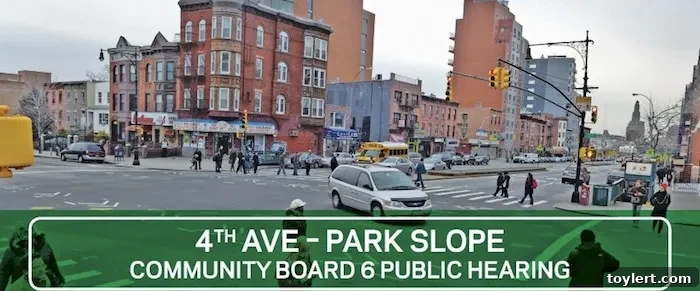
Tonight, a crucial public hearing is scheduled to take place, offering an invaluable platform for residents, local business owners, community advocates, and all interested parties to voice their opinions, ask pertinent questions, and gain much-needed clarity on the proposed redesign. The hearing will specifically focus on the segment of 4th Avenue situated between Pacific Street and 15th Street. This particular stretch is especially vital to the character, daily functionality, and community life of the vibrant Park Slope area, making a detailed discussion of its local impacts and tailored solutions absolutely essential.
The meeting is set to be held at the 78th Police Precinct, a choice of venue that subtly but effectively emphasizes the critical public safety aspect underpinning the entire discussion, scheduled for 6:30 pm. Public hearings serve as vital conduits for democratic participation, empowering citizens to directly influence and shape the urban environment in which they live and work. During such pivotal events, DOT officials typically present revised plans, detailing any specific modifications or concessions that have been made in direct response to previous community feedback and concerns. They also offer a dedicated question-and-answer session where attendees can seek clarification on complex technical aspects of the project, understand projected timelines for construction, and discuss potential temporary disruptions during the implementation phase. Most importantly, the public is afforded a significant opportunity to provide direct testimony, sharing personal experiences, expressing remaining concerns, and offering innovative suggestions that might not have been fully captured or considered in earlier reviews.
Comprehensive details of the meeting agenda and the intricate streetscape proposal are publicly available and can be reviewed online, ensuring full transparency. Interested individuals are encouraged to access these documents beforehand at NYC DOT’s official project page. Coming prepared with informed questions and comments allows attendees to contribute more effectively and meaningfully to the discussion, ensuring that their input is well-received and thoroughly considered. This renewed push for extensive public input unequivocally highlights the NYC DOT’s commitment to achieving a consensus-driven outcome—an outcome that skillfully balances the overarching need for modern, safe, and efficient urban infrastructure with the unique character, specific needs, and diverse demands of the local community. The outcome of this critical hearing will undoubtedly play a significant and lasting role in shaping the future of 4th Avenue, moving it closer to becoming a safer, more pedestrian-friendly, more bike-accessible, and ultimately, a more integrated and cherished urban corridor for all Brooklynites.
Park Slope Nixes 4th Avenue Overhaul [Brownstoner]
Community Board Approval for 4th Avenue [Brownstoner]