Editor’s note: This post has been updated. Read the original post here.
Celebrating the New Year: A Timeless Tradition Woven into Brooklyn’s Fabric
As the final seconds of December 31st tick away, giving way to the stroke of midnight on January 1st, a universal wave of anticipation, joy, and hope washes over communities across the globe. For those following the Gregorian calendar, this magic moment marks the symbolic end of the old and the exhilarating beginning of the new. It’s a moment celebrated with vibrant music, dazzling fireworks, joyous noise makers, lively parties, and the age-old tradition of a midnight kiss. This ritual of renewal, marking the passage of time and the promise of fresh starts, has resonated deeply with humanity for centuries, and the borough of Brooklyn, with its rich history and diverse culture, is certainly no exception.
Brooklyn, a place renowned for its enduring traditions and evolving spirit, has embraced the New Year’s holiday in countless ways over the decades and centuries. From the quiet domestic observances of its earliest settlers to the grand public spectacles of today, the turn of the year has always held a special place in the hearts of Brooklynites. Understanding how these celebrations have evolved offers a fascinating glimpse into the borough’s social fabric and its continuous journey through time.
The Universal Allure of New Year’s Eve and Day
The transition from one year to the next is more than just a calendar event; it’s a profound psychological and cultural phenomenon. Across myriad cultures and continents, the concept of a new beginning, a clean slate, and a fresh opportunity for growth and change is deeply ingrained. For many, New Year’s Eve is a night of reflection, a time to look back at the past year’s triumphs and challenges, and to set intentions for the year ahead. This introspection often culminates in the festive release of midnight, a communal burst of optimism and camaraderie.
The shared experience of counting down the final moments, the collective cheer as the clock strikes twelve, and the subsequent expressions of hope for the future bind communities together. Whether it’s the grandeur of Times Square, the intimate gathering of friends, or the solemn quiet of personal reflection, the power of this moment lies in its universal appeal to human aspiration. In Brooklyn, these universal sentiments have always found unique and localized expressions, shaped by the borough’s distinct character and historical trajectory.
A Journey Through Brooklyn’s 19th-Century New Year Celebrations
While modern New Year’s Eve in Brooklyn is often synonymous with fireworks over Prospect Park, vibrant nightlife, and a general air of boisterous revelry, the celebrations of the 19th century painted a vastly different, yet equally significant, picture. The Victorian era, a period of immense growth and transformation for Brooklyn as it blossomed into a major city, cultivated traditions that emphasized social calls, community bonds, and a more subdued, albeit elegant, form of festivity.
The Resplendent Tradition of New Year’s Day Calls
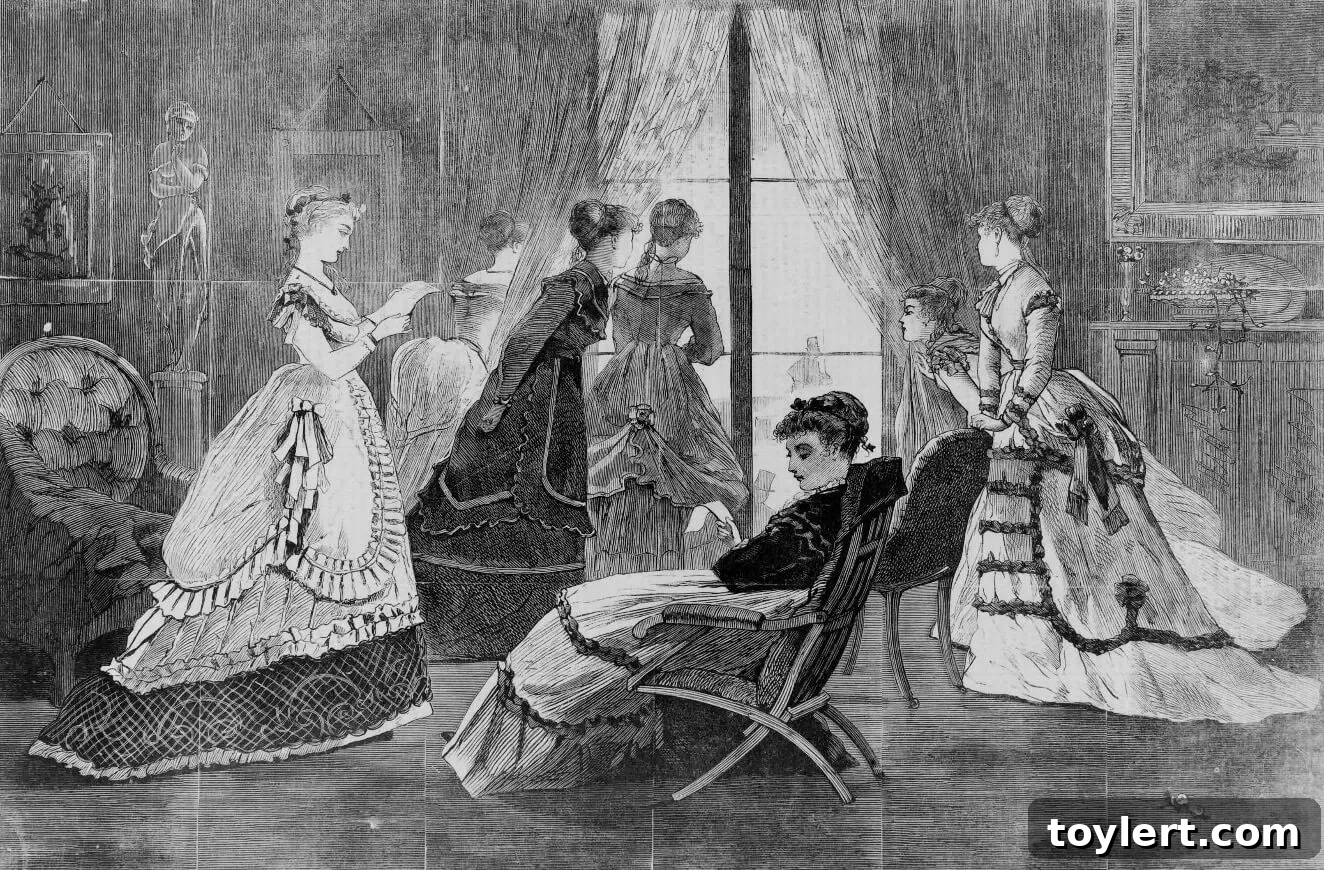
Perhaps the most prominent and cherished New Year’s tradition in 19th-century Brooklyn was the elaborate custom of “New Year’s Day Calls.” This was primarily a social event for gentlemen to visit the homes of ladies, offering well wishes for the coming year. It was a sophisticated ritual, deeply embedded in the social etiquette of the time, and served as a vital mechanism for maintaining and strengthening community ties and social standing.
On January 1st, Brooklyn’s streets would bustle with gentlemen, dressed in their finest attire, moving from house to house. Each visit was typically brief, lasting just long enough for an exchange of pleasantries, a sip of a festive beverage – perhaps mulled wine, eggnog, or punch – and a bite of some light refreshment offered by the hostess. These refreshments were often meticulously prepared, showcasing the hostess’s hospitality and social grace. Ladies, meanwhile, would hold open house, eagerly awaiting their callers, dressed in their best gowns, ready to engage in polite conversation and distribute calling cards.
The sheer scale of this tradition was remarkable. A popular lady might receive dozens of callers throughout the day, each leaving a calling card as proof of their visit. Gentlemen would often consult printed lists of open houses or follow pre-arranged routes to maximize their visits. Carriages would line the snow-dusted streets, and the air would be thick with anticipation and geniality. Far from being a mere social obligation, these calls were genuine expressions of goodwill and an important opportunity for networking, reconciliation, and courtship. They embodied the spirit of community and mutual respect that characterized much of Victorian social life.
From Eve’s Quietude to Day’s Delights
In contrast to the lively social circuit of New Year’s Day, New Year’s Eve in 19th-century Brooklyn was generally a more subdued affair. While some private parties certainly took place, it wasn’t the widespread public carnival we recognize today. Many families chose to spend the evening quietly at home, perhaps attending church services to mark the solemn transition, reflecting on the year past and praying for blessings in the year to come. The grand public celebrations that would later define New Year’s Eve were still decades away, slowly emerging as the city grew denser and public spaces became more central to civic life.
The ringing of church bells at midnight, a practice inherited from European traditions, served as the primary public acknowledgment of the New Year’s arrival. This melodic chorus echoing across the borough would have been a profoundly moving sound, a collective signal of hope and continuity for the sleeping city. While fireworks were not unheard of, they were far from the synchronized spectacles we see today, more likely confined to private displays or smaller, spontaneous bursts of celebration.
The Enduring Echoes of Dutch Heritage
Brooklyn’s earliest New Year traditions also carried the distinct imprint of its Dutch founders. Long before it became the vibrant American city it is today, Breukelen, as it was then known, observed “Nieuwjaarsdag” with a festive spirit rooted in Dutch customs. The Dutch were known for their celebratory approach to the New Year, focusing on family gatherings, hearty feasts, and the exchange of good wishes. While specific customs like “oliebollen” (a type of Dutch doughnut) and other traditional foods might have faded or melded with other influences over time, the underlying emphasis on community, good cheer, and the symbolic cleansing of the old for the new remained a foundational element.
Evolution and Modern Resonances
As the 19th century gave way to the 20th, and Brooklyn continued its rapid expansion, transforming from an independent city into a borough of New York City, New Year’s celebrations began to evolve. The formal elegance of New Year’s Day calls gradually gave way to more public-facing festivities. The rise of entertainment venues, the increasing accessibility of transportation, and a shift in social norms contributed to the growing popularity of New Year’s Eve as the primary moment of celebration.
The sound of church bells was augmented, and eventually largely replaced, by horns, whistles, and the collective roar of crowds gathered in public squares. Fireworks displays became more organized and spectacular. The focus shifted from genteel home visits to lively public gatherings, reflecting a broader trend in urban life towards shared, communal experiences outside the home. By the mid-20th century, the image of New Year’s Eve revelry, complete with glittering ball drops and synchronized pyrotechnics, became firmly established.
Today, Brooklyn’s New Year celebrations blend the contemporary with a nod to its rich past. While the Victorian “calls” are a distant memory, the spirit of community and connection endures. Thousands flock to Prospect Park for magnificent fireworks displays, families gather for intimate dinners, and friends raise toasts in Brooklyn’s countless restaurants and bars. The Coney Island Polar Bear Club’s annual New Year’s Day swim, a bracing plunge into the Atlantic, has become a modern, quirky tradition embodying the borough’s adventurous spirit and a unique way to embrace a fresh start.
A Continuously Renewed Spirit in the Heart of Brooklyn
The journey of New Year’s celebrations in Brooklyn is a microcosm of the borough’s own dynamic history. From the structured social rituals of the 19th century to the diverse and energetic festivities of today, the core essence remains unchanged: a universal human desire to mark the passage of time, to reflect on the past, and to embrace the future with hope and optimism. Brooklyn, with its resilient spirit and ever-evolving identity, continues to find new and meaningful ways to welcome each new year, honoring its past while eagerly stepping into what lies ahead. It’s a reminder that while the specific forms of celebration may change, the underlying human need for renewal and collective joy is truly timeless.