By Jose Martinez
This article was originally published on by THE CITY
Fallen Trees and Branches Threaten NYC Subway Reliability: A Growing Crisis
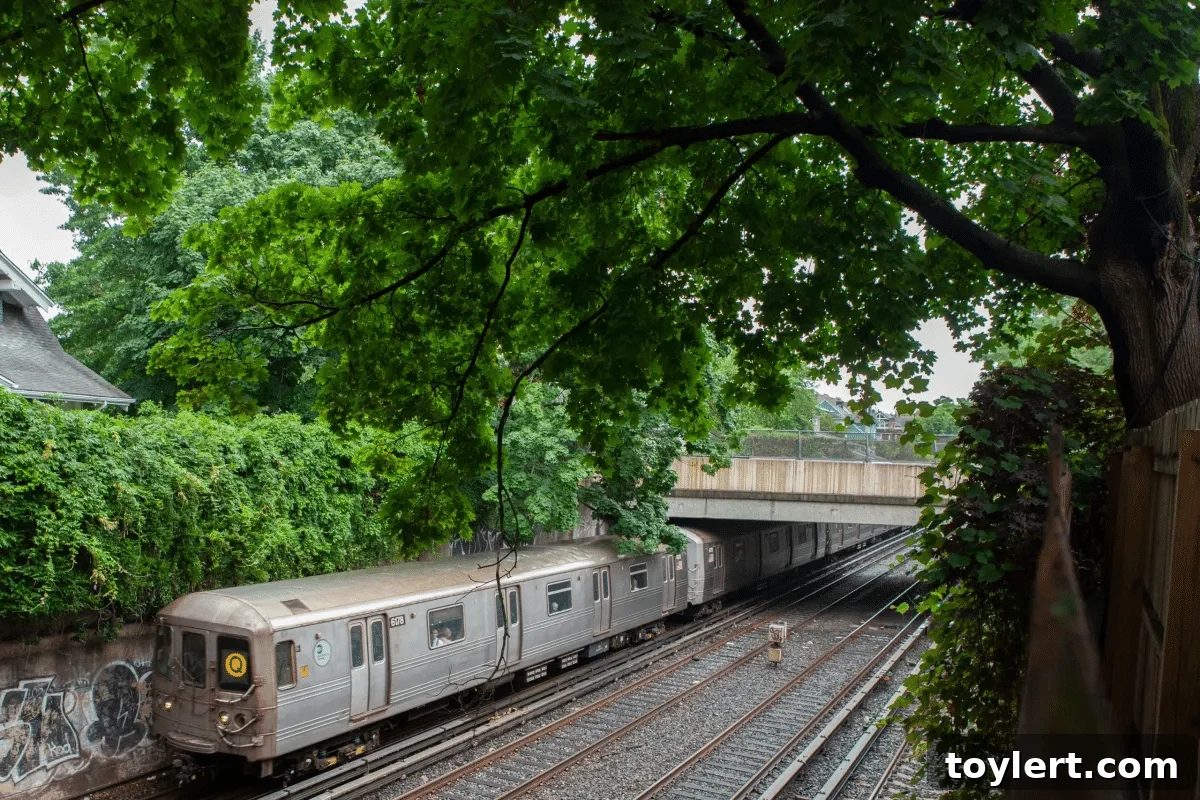
New York City’s iconic subway system, the lifeblood of millions, is facing an escalating challenge from an unexpected adversary: nature. Trees and their unruly branches, once a picturesque part of the urban landscape, are increasingly tumbling onto the subway tracks, causing significant disruptions. Alarming new data from the Metropolitan Transportation Authority (MTA) reveals a sharp uptick in these incidents. As of mid-2024, nearly 800 trains have already been delayed due to fallen vegetation, a figure that dramatically surpasses the total number of delays experienced throughout the entirety of 2023. This worrying trend highlights a growing crisis that impacts daily commuters, slows economic activity, and raises urgent questions about the resilience of the city’s vital transportation network.
The frequency of these nature-induced delays is not merely a statistical anomaly; it represents a tangible decline in the reliability of a system New Yorkers depend on hourly. From the bustling morning commute to late-night travel, every fallen branch can translate into thousands of missed connections, late arrivals at work or appointments, and increased stress for passengers. Understanding the scope of this problem, its underlying causes, and the strategies being employed to combat it is crucial for ensuring the future smooth operation of the world’s largest rapid transit system.
The Alarming Rise in Subway Disruptions: A Closer Look at the Data
The nearly 800 train delays reported by the MTA in the first seven months of 2024 paint a stark picture of escalating issues. This figure isn’t just higher than last year; it suggests an accelerating problem that could see 2024 conclude with an unprecedented number of vegetation-related service interruptions. To put this into perspective, if the current rate continues, the year could end with well over 1,200 such incidents, marking a multi-fold increase over previous periods. These aren’t minor hiccups; each incident often requires significant time to resolve, involving power shutdowns, track inspections, and the careful removal of debris, which can cascade into delays affecting multiple lines and thousands of riders.
Historically, the MTA has dealt with various forms of track obstructions, from discarded litter to unauthorized individuals. However, the surge in fallen trees and branches introduces a new dimension to operational challenges. These natural intrusions often occur during or immediately after severe weather events, further complicating response efforts as MTA crews navigate hazardous conditions. The data underscores the need for a comprehensive and proactive approach, moving beyond reactive clean-up to preventative measures that address the root causes of this escalating issue. The sheer volume of disruptions signals a critical juncture, urging a reevaluation of current maintenance and preparedness strategies.
Why Are More Trees Falling? Unpacking the Causes
The reasons behind the increased frequency of fallen trees impacting subway tracks are multifaceted, combining environmental shifts with urban development challenges. Pinpointing these factors is essential for developing effective long-term solutions that safeguard both commuters and the environment.
Climate Change and Extreme Weather Events
Perhaps the most significant contributor to this trend is climate change. New York City, like many coastal metropolises, is experiencing more frequent and intense severe weather events. Heavy rainfall saturates the soil, weakening tree roots and making them more susceptible to toppling. Stronger winds, a common feature of increasingly volatile storms, exert immense pressure on tree canopies, leading to snapped branches and uprooted trees. These events are no longer isolated occurrences but are becoming a regular feature of seasonal weather patterns, putting continuous stress on the urban tree population adjacent to subway lines. This intensified weather pattern tests the resilience of even healthy trees, turning once-rare incidents into recurring threats.
Aging Urban Canopy and Vegetation Management
New York City boasts a vast and diverse urban forest, with many mature trees lining streets, parks, and, crucially, the extensive network of subway routes. While these trees offer invaluable ecological benefits, older trees can be more fragile or prone to decay, especially if not consistently maintained. The sheer scale of the MTA’s above-ground and elevated tracks means that thousands of trees are situated within striking distance of the infrastructure. Proactive vegetation management – including regular trimming, inspection for disease or instability, and strategic removal of high-risk trees – is an enormous undertaking, requiring significant resources and meticulous planning. Neglecting this vital maintenance can turn an aging canopy into a liability for urban infrastructure.
Challenges of Trackside Access and Maintenance
Maintaining vegetation along subway tracks presents unique logistical challenges. Access to these areas can be restricted, often requiring power shutdowns and specialized equipment to ensure worker safety. The intricate layout of the subway system, with its mix of open-cut, elevated, and surface lines, means that vegetation concerns vary significantly from one section to another. Elevated tracks, in particular, can be vulnerable to branches originating from distant trees, while open-cut sections may face issues from trees on adjacent properties. The sheer volume of track mileage makes comprehensive, continuous oversight a monumental task. Limited access windows, high-traffic corridors, and the need for specialized equipment all contribute to the complexity of effective trackside vegetation management.
The MTA’s Response and Ongoing Challenges
The Metropolitan Transportation Authority is acutely aware of the growing threat posed by fallen trees and branches. Their response involves a combination of reactive cleanup and proactive preventative measures, though both areas face significant operational hurdles that require innovative solutions and sustained investment.
Emergency Response Protocols
When a tree or large branch falls onto the tracks, the MTA’s immediate priority is safety and service restoration. This typically involves halting train service on affected lines, dispatching specialized crews to the site, and coordinating with emergency services if necessary. Power to the third rail must be cut, and the debris safely removed, often manually or with heavy machinery adapted for track work. This process is inherently time-consuming, explaining why even a single incident can lead to widespread delays and re-routing that ripple through the entire system. Swift and efficient emergency response is critical, but it cannot fully mitigate the extensive impact of these events on daily commuters.
Proactive Vegetation Management Programs
In an effort to mitigate future incidents, the MTA conducts ongoing vegetation management programs. These include scheduled tree trimming along critical sections of track, particularly before storm seasons. The agency employs arborists and contractors to identify and prune potentially hazardous trees and branches. Coordination with the NYC Parks Department is also crucial, especially for trees located on public parkland adjacent to subway rights-of-way. However, the sheer scale of the task, coupled with budget constraints and the continuous growth of vegetation, means that these programs are a constant battle against nature’s relentless advance. The need for a more comprehensive and better-funded program becomes evident with each new delay.
Technological Integration and Future Strategies
Looking ahead, the MTA is exploring how technology can enhance its vegetation management efforts. This could include using drone technology for aerial inspections of tree canopies along tracks, providing a safer and more efficient way to identify at-risk trees. Predictive modeling, which combines weather forecasts with data on tree health and historical fall patterns, could help prioritize trimming schedules and deploy resources more effectively. Investing in more resilient trackside infrastructure, such as reinforced netting or barriers in particularly vulnerable areas, might also be considered, though these solutions come with significant cost implications. Embracing such innovations is vital for building a more resilient and responsive transit system in the face of evolving environmental challenges.
Impact on Commuters and the Broader City
The increasing frequency of subway delays due to fallen trees extends far beyond mere inconvenience; it has tangible economic and social ramifications for New York City, affecting everything from personal schedules to the city’s overall productivity and reputation.
Economic Disruption and Productivity Loss
For a city that runs on punctuality, subway delays directly translate into lost productivity. Businesses rely on employees arriving on time, and service industries depend on prompt deliveries and appointments. Each delay, multiplied by thousands of commuters, represents countless hours lost, impacting the city’s robust economy. Furthermore, the unpredictable nature of these delays can deter tourism and business travel, undermining New York’s image as a global hub of efficiency. A reliable transit system is a cornerstone of economic vitality, and its compromise creates ripple effects across various sectors.
Commuter Stress and Quality of Life
Beyond the economic impact, the constant threat of delays takes a heavy toll on the mental well-being of New York’s commuters. The uncertainty, crowded platforms, and disrupted schedules contribute to increased stress levels, eroding the quality of life for millions. A reliable transit system is fundamental to urban living, allowing residents to access jobs, education, healthcare, and leisure activities without undue hardship. When this reliability is compromised, the fabric of daily life begins to fray, leading to frustration and a sense of helplessness among daily riders.
Environmental Considerations vs. Operational Safety
There’s an inherent tension between preserving New York City’s valuable urban forest and ensuring the operational safety of its subway system. Trees provide critical environmental benefits, including air quality improvement, heat island effect reduction, and aesthetic value. Aggressive tree removal campaigns, while potentially reducing track obstructions, would come at a significant environmental cost. The challenge lies in finding a sustainable balance: strategically managing high-risk vegetation while promoting healthy urban greenery in areas that do not threaten critical infrastructure. This delicate equilibrium requires careful planning, expert arboricultural knowledge, and public engagement to ensure both safety and sustainability.
Towards a More Resilient Subway System
Addressing the growing problem of fallen trees on subway tracks requires a holistic and sustained effort. It’s a complex interplay of climate resilience, urban planning, infrastructure maintenance, and public engagement. Moving forward, a multi-pronged strategy will be essential to mitigate risks and enhance the subway system’s reliability.
Long-term solutions must include enhanced investment in the MTA’s vegetation management budget, allowing for more frequent inspections and proactive pruning cycles. Leveraging advanced analytics and predictive modeling can help optimize these efforts, ensuring resources are deployed where they are most needed. Collaboration between the MTA, the NYC Parks Department, and even private property owners adjacent to subway lines is paramount to creating a coordinated strategy for urban tree health and safety. Furthermore, public education about the importance of reporting potentially hazardous trees could empower communities to contribute to this collective effort.
Ultimately, a resilient subway system capable of withstanding the increasing pressures of climate change and an aging urban forest is essential for New York City’s future. The current trend of nearly 800 delays in just seven months serves as a critical warning. Proactive measures, strategic investment, and continued innovation will be key to ensuring that the iconic New York City subway remains a reliable and efficient mode of transport for generations to come, allowing the city to continue moving forward, unhindered by the natural world around it. The time for decisive action is now, to secure the transit future of millions.