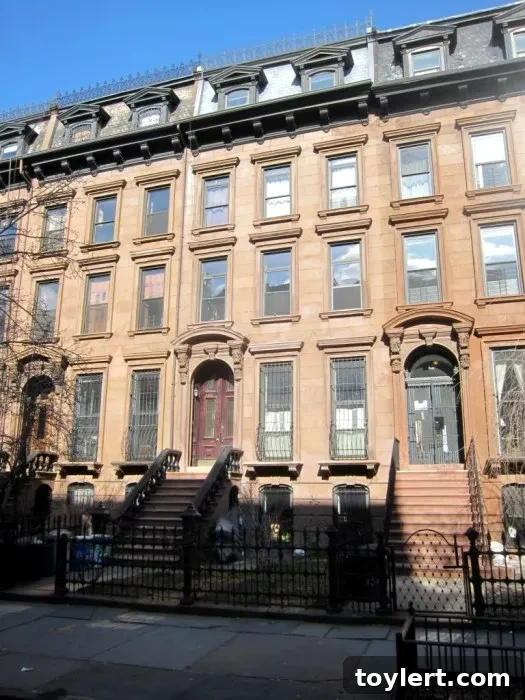
Exploring the Enduring Charm of Prospect Place Row Houses in Brooklyn
Brooklyn, a borough renowned for its distinctive neighborhoods and architectural grandeur, offers a captivating journey through history with its iconic row houses. Among its many picturesque streets, Prospect Place stands out as a testament to this rich legacy. These buildings are not merely structures of brick and stone; they are storytellers, each facade whispering tales of a bygone era while firmly rooted in the vibrant tapestry of contemporary Brooklyn life. This article delves into the unique character and enduring appeal of the row houses, particularly focusing on the stretch around 123-133 Prospect Place, and explores why these historic homes continue to be a cornerstone of Brooklyn’s architectural identity.
The Architectural Legacy of Brooklyn’s Row Houses
The concept of the row house became incredibly popular in American cities during the 19th century, particularly as urban populations swelled and efficient land use became paramount. Brooklyn, with its burgeoning industries and growing population, embraced this housing style wholeheartedly. These homes were designed to maximize space and offer a cohesive streetscape, typically sharing side walls with adjacent properties. While seemingly uniform, each block, and often each house, presents subtle variations in style, ornamentation, and material, creating an intricate visual rhythm that is quintessentially Brooklyn.
A Glimpse into History: When and Why They Were Built
Many of Brooklyn’s most celebrated row houses, including those found on Prospect Place, were constructed during the post-Civil War boom, from the late 1860s through the early 20th century. This period marked a significant expansion of the borough, fueled by improved transportation links to Manhattan and a growing middle class seeking elegant, yet practical, urban residences. Developers and speculative builders, often working with prominent architects, erected rows of these homes, creating the cohesive streetscapes we admire today. They were built to accommodate a rising class of professionals, merchants, and their families, providing comfortable and stylish living within the bustling city.
Architectural Styles and Distinctive Features
Brooklyn’s row houses showcase a fascinating evolution of architectural styles, each reflecting the prevailing tastes of its construction period. The most famous, of course, is the “brownstone,” named for the reddish-brown sandstone commonly used for their facades. While brownstone is a material, it’s often synonymous with the Italianate style, characterized by its wide cornices, ornate door hoods, and tall, narrow windows. Other prominent styles found in Brooklyn include:
- Neo-Grec: A transitional style from the 1870s, featuring incised geometric ornamentation and a more rectilinear design than Italianate.
- Romanesque Revival: Popular in the 1880s, recognizable by its round arches, rough-faced stone, and often robust, almost fortress-like appearance.
- Queen Anne: Though less common in strict row house form, elements like turrets, bay windows, and varied textures can be found, adding picturesque charm.
- Beaux-Arts and Colonial Revival: Appearing later, these styles brought more classical proportions and grandeur to larger row houses and townhouses.
Beyond their facades, these homes often feature elaborate stoops, detailed ironwork railings, intricate cornices, and decorative window lintels. Inside, high ceilings, original wood flooring, fireplace mantels, and ornate plasterwork speak to the craftsmanship of their era, offering a blend of historical elegance and modern comfort.
Spotlight on Prospect Place: A Historic Corridor
Prospect Place, stretching through neighborhoods like Prospect Heights and connecting to Park Slope, is a quintessential Brooklyn street. It is lined with magnificent examples of the borough’s architectural heritage, providing a leafy, residential oasis amidst the urban dynamism. The specific addresses of 123-133 Prospect Place represent a particularly well-preserved stretch, embodying the charm and character that draws so many to this area.
Location and Neighborhood Context: Prospect Heights
Prospect Place primarily runs through Prospect Heights, a neighborhood celebrated for its tree-lined streets, grand architecture, and vibrant community spirit. Bordered by cultural institutions like the Brooklyn Museum, Brooklyn Botanic Garden, and Prospect Park, it offers residents unparalleled access to green spaces and cultural amenities. Its proximity to major transit hubs also makes it a highly desirable location for those seeking an easy commute to Manhattan while enjoying the unique Brooklyn lifestyle. The atmosphere here is one of sophisticated tranquility, where historic charm meets a bustling, modern sensibility.
The Legacy of 123-133 Prospect Place
The row houses at 123-133 Prospect Place exemplify the classic Brooklyn brownstone aesthetic. While specific historical records for these exact properties might vary, they typically date back to the late 19th century, likely between 1870 and 1890. These homes were often built as part of speculative developments, intended for a rising middle class of professionals and merchants. They commonly feature a distinctive brownstone facade, imposing stoops leading to the parlor level, and large windows designed to maximize natural light. Architectural details such as original cornices, elaborate door surrounds, and decorative iron railings contribute to their timeless appeal.
Many of these residences were originally designed as single-family homes, offering multiple stories of living space, often with a garden level. Over the decades, some may have been converted into multi-family dwellings to meet changing urban needs, only to be meticulously restored to their single-family grandeur in more recent times. This evolution reflects the dynamic history of Brooklyn itself, adapting and re-adapting while preserving its core character.
Craftsmanship and Enduring Design
What truly sets these Prospect Place row houses apart is the quality of craftsmanship from their original construction. The use of durable materials like brownstone, brick, and slate for roofs ensures their longevity. Inside, the homes often boast intricate plaster moldings, pocket doors, working fireplaces with marble or carved wood mantels, and beautifully maintained hardwood floors. These details are not merely decorative; they are integral to the structural integrity and historical narrative of each building. Modern renovations in these homes often aim to preserve these historic elements while integrating contemporary amenities, creating a seamless blend of old-world charm and modern luxury.
The Enduring Appeal of Brooklyn Living
The allure of living in a Brooklyn row house extends beyond its architectural beauty. It’s about embracing a lifestyle that balances urban convenience with a strong sense of community and historical connection. These homes offer a unique opportunity to own a piece of New York City’s rich past, situated in neighborhoods that are constantly evolving yet deeply rooted in their heritage.
Community and Urban Vibrancy
Prospect Heights and its surrounding areas are renowned for their vibrant community spirit. Residents enjoy proximity to a diverse array of independent shops, acclaimed restaurants, cozy cafes, and bustling local markets. The neighborhood parks, particularly the magnificent Prospect Park, serve as vital green lungs, offering space for recreation, relaxation, and community events. This blend of cultural richness, green space, and local businesses creates an unparalleled living experience, making Prospect Place a highly sought-after address for families and individuals alike.
Preservation Efforts and Modernization
The long-term appeal and value of Brooklyn’s row houses are also a result of diligent preservation efforts. Many areas, including parts of Prospect Heights, are designated historic districts, ensuring that exterior alterations adhere to strict guidelines that protect the architectural integrity of the streetscape. Inside, owners often undertake meticulous restoration projects, bringing these grand homes back to their original splendor while discreetly incorporating modern conveniences like updated kitchens, bathrooms, and smart home technology. This delicate balance of preservation and modernization is crucial to their continued desirability and historical relevance.
Investing in History: Real Estate on Prospect Place
The real estate market for row houses on Prospect Place and similar historic streets in Brooklyn remains robust. These properties are not just homes; they are valuable assets that tend to appreciate due to their unique character, desirable locations, and limited supply. The demand for homes that offer spacious living, architectural beauty, and a tangible connection to history ensures their place as a premier investment in the New York City market. For many, owning a row house on Prospect Place is the epitome of the Brooklyn dream, a blend of historical elegance and vibrant urban living.
Conclusion: A Timeless Brooklyn Gem
The row houses of Prospect Place, Brooklyn, are more than just buildings; they are integral to the identity and soul of the borough. From their robust brownstone facades to their meticulously crafted interiors, they embody a rich history of urban development, architectural innovation, and enduring community spirit. As Brooklyn continues to thrive and evolve, these historic homes stand as proud sentinels, offering residents a unique opportunity to live amidst beauty, history, and the vibrant pulse of one of the world’s most dynamic cities. The legacy of 123-133 Prospect Place and its neighbors will undoubtedly continue to inspire and enchant for generations to come, truly making them a timeless Brooklyn gem.