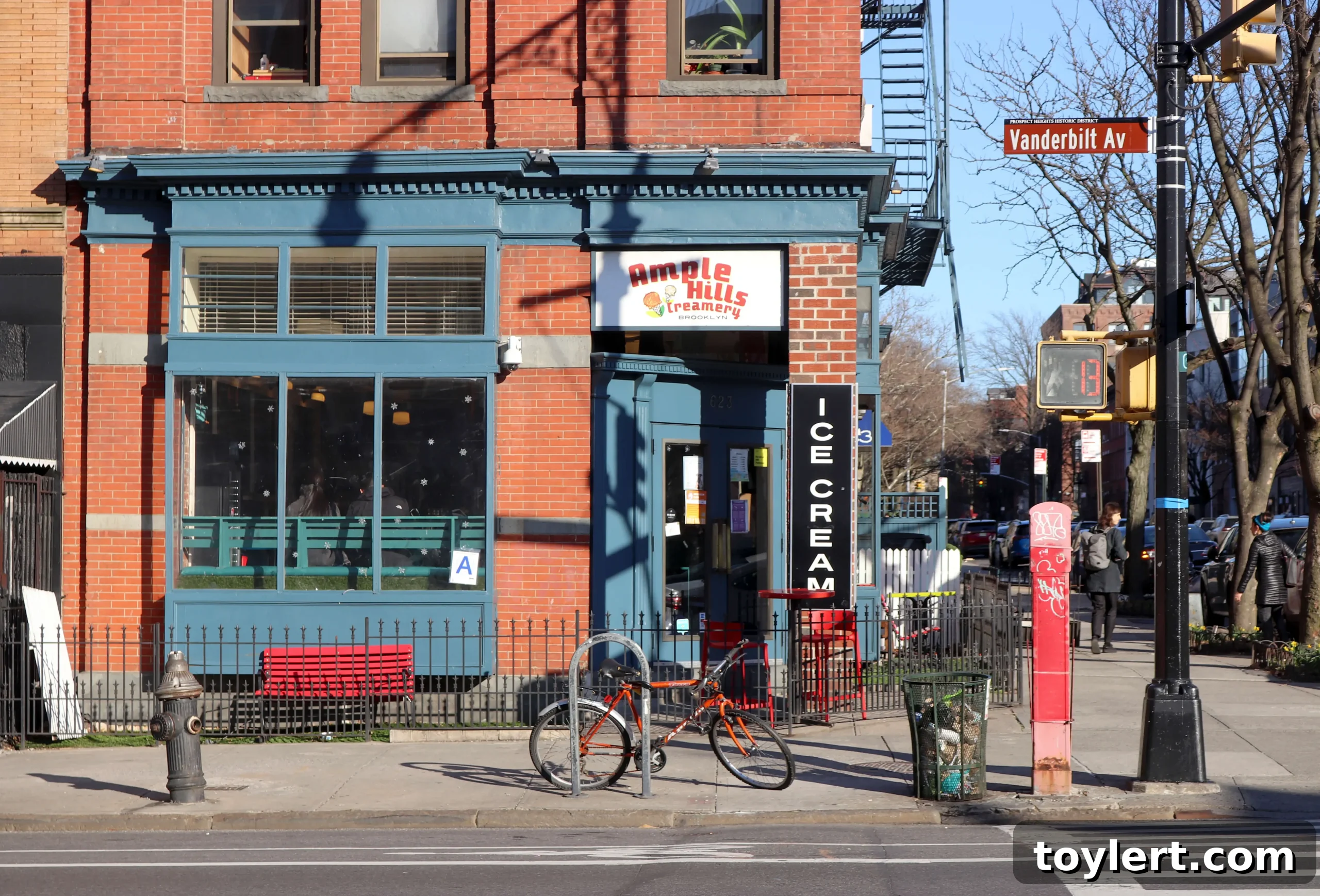
Ample Hills Creamery Files for Chapter 11 Bankruptcy: Unpacking the Financial Struggles of a Beloved Brand
Ample Hills Creamery, the iconic Brooklyn-based artisan ice cream maker renowned for its unique flavors and long lines stretching around the block on sunny Gowanus days, filed for Chapter 11 bankruptcy on a Sunday in the U.S. Bankruptcy Court of the Eastern District of New York. This unexpected development sent ripples through the loyal customer base and the broader New York food scene, raising questions about how a seemingly thriving business could face such significant financial distress.
At first glance, the news might suggest a decline in popularity or the early impacts of a global crisis. However, court filings and statements from the company clarify that this strategic move had nothing to do with a lack of demand for their product or the emerging challenges presented by the coronavirus pandemic. Ample Hills’ ice cream, celebrated for its generous and inventive mix-ins – like the chocolate-dipped saltines found in their wildly popular Salted Crack’d Caramel flavor, a cornerstone of their early success – continued to attract a dedicated following. Instead, the root cause of their financial difficulties pointed squarely to operational hurdles and substantial capital expenditures related to the construction and outfitting of their large-scale production facility in Red Hook, which eventually opened in 2018.
The Rise and Rapid Expansion of Ample Hills Creamery
Since its inception in 2011 by husband-and-wife team Brian Smith and Jackie Cuscuna, Ample Hills Creamery quickly carved out a niche in the competitive gourmet ice cream market. Their commitment to fresh, locally sourced ingredients, playful flavor combinations, and a whimsical brand identity resonated deeply with consumers. Each scoop told a story, often inspired by Brooklyn’s vibrant culture or nostalgic childhood memories. This unique approach fostered immense customer loyalty, transforming their small storefronts into community hubs and tourist destinations alike. The brand became synonymous with Brooklyn’s artisanal food renaissance, rapidly expanding beyond its initial location.
The company’s growth trajectory was impressive, leading to the establishment of 16 locations across the United States. A significant concentration of these beloved scoop shops, six to be precise, were strategically located within their home borough of Brooklyn, reinforcing their local identity while broadening their reach. This aggressive expansion strategy was fueled by strong sales and investor confidence, positioning Ample Hills as a national player in the premium ice cream segment. However, rapid growth, while indicative of success, often brings its own set of complexities and financial pressures that can challenge even the most beloved brands.
Decoding the Bankruptcy: More Than Just Ice Cream
The decision to file for Chapter 11 bankruptcy protection is rarely taken lightly and typically signals a company’s attempt to reorganize its business affairs, debts, and assets under the supervision of the bankruptcy court. For Ample Hills, this path was necessitated by significant delays and formidable cost overruns associated with their Red Hook factory project. According to reports from The Real Deal, these construction and operational challenges proved to be a critical burden on the company’s financial health.
The Red Hook factory, a state-of-the-art facility situated at 421 Van Brunt Street, was envisioned as a crucial step in Ample Hills’ expansion plans. It was designed to significantly increase production capacity, streamline distribution, and support the company’s growing retail footprint and wholesale operations. However, large-scale construction projects, especially those involving food manufacturing, are prone to unforeseen complications. These can range from permit delays, unexpected structural issues, rising material costs, labor disputes, and the intricate process of installing and commissioning specialized machinery. Each delay and every additional expense chipped away at the company’s reserves, escalating the financial strain beyond manageable levels.
The Pitfalls of Scaling Production: The Red Hook Saga
The dream of a dedicated, large-scale manufacturing plant turned into a financial albatross. While the factory itself opened in 2018, the lingering effects of its protracted and over-budget development continued to plague Ample Hills’ balance sheets. The initial capital allocated for the project likely proved insufficient, requiring additional funding or diverting funds intended for other operational needs. This kind of financial miscalculation or unexpected expenditure can cripple even a profitable business, particularly one in a growth phase where cash flow management is paramount.
Building out a facility of this magnitude involves more than just bricks and mortar; it encompasses complex regulatory compliance, energy infrastructure, specialized refrigeration systems, and efficient production lines. Any snag in this elaborate process can lead to spiraling costs. The challenge for many beloved small businesses that achieve meteoric success is transitioning from an artisanal, small-batch model to a larger, more industrial scale without losing their core identity or, more importantly, financial control. Ample Hills, it appears, grappled with the latter.
Wider Implications and the Path Forward
The bankruptcy filing by Ample Hills Creamery serves as a sobering reminder that even highly popular brands with strong customer demand are not immune to financial woes, particularly when large capital projects go awry. It highlights the inherent risks in scaling a business, especially in the competitive food and beverage sector where margins can be tight and consumer tastes ever-evolving. The closure of its Los Feliz location in Los Angeles in January, preceding the bankruptcy filing, was likely an early indicator of the underlying financial pressures the company was experiencing, as businesses often consolidate or shed underperforming assets to conserve capital.
Chapter 11 bankruptcy, unlike Chapter 7, is a rehabilitative process designed to allow a business to continue operating while it reorganizes its finances and develops a plan to repay its creditors over time. This typically involves negotiating with creditors, potentially shedding unprofitable ventures, and restructuring debt. For Ample Hills, this means working closely with the court and its stakeholders to devise a viable path toward long-term financial stability. This process could involve selling assets, seeking new investment, or renegotiating leases and supply contracts.
The immediate goal for Ample Hills will be to stabilize its operations, reassure its employees and loyal customers, and craft a realistic reorganization plan. The strong brand equity and continued demand for their unique ice cream flavors provide a significant advantage, offering a foundation upon which to rebuild. However, the path to recovery will undoubtedly be challenging, requiring shrewd financial management and potentially a re-evaluation of its expansion strategies. The fate of its 16 locations, including the six in Brooklyn, will depend heavily on the details of the approved reorganization plan and the company’s ability to execute it effectively.
Looking Ahead: A Future for Ample Hills?
For many, Ample Hills Creamery is more than just an ice cream shop; it’s a symbol of Brooklyn’s entrepreneurial spirit and a purveyor of joy. The news of its bankruptcy filing is a somber note for fans and a cautionary tale for aspiring food entrepreneurs. The company’s journey through Chapter 11 will be closely watched, not just by its creditors and employees, but by the myriad of small businesses navigating the complexities of growth and financial management in a dynamic market.
Ultimately, the success of Ample Hills’ reorganization will hinge on its ability to address the financial burdens imposed by the Red Hook factory, streamline its operations, and maintain the creative spark that made it so beloved in the first place. With a strong brand, a loyal customer base, and a clear understanding of the challenges that led them to this point, there is hope that Ample Hills Creamery can emerge from bankruptcy stronger and more sustainably managed, continuing to serve up innovative flavors and delightful experiences for years to come.