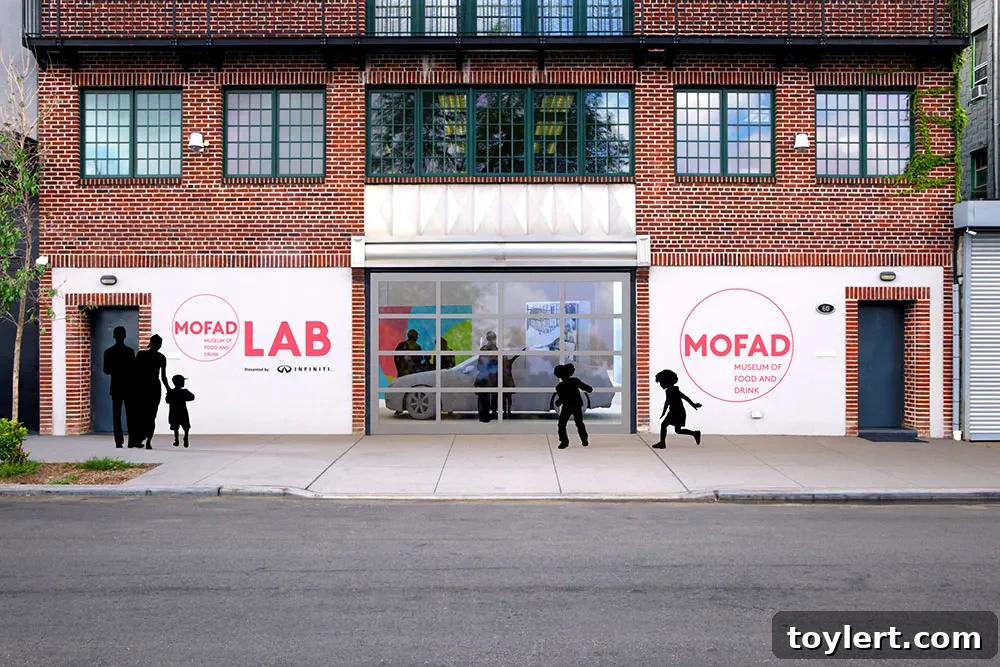
MOFAD: Unearthing the Global Stories of Food in Brooklyn’s Williamsburg
In the vibrant heart of Williamsburg, a neighborhood synonymous with innovative cuisine and artisanal delights, a new cultural institution emerged with a mission far grander than simply celebrating gourmet trends. The Museum of Food and Drink (MOFAD), which opened its doors on October 28, set out to redefine how we interact with and understand the most fundamental aspect of human existence: food. Executive Director Peter Kim articulates MOFAD’s distinct vision, emphasizing that its purpose transcends the typical fanfare of food festivals or restaurant experiences.
The Vision Beyond the Plate: A Deep Dive into Culinary Culture
Kim insightfully noted, “It’s really not about just celebrating food, ’cause you can do that at a food festival or a restaurant. We’re trying to take people into extremely important stories and provide rigorously researched objective information in a way that’s fun and accessible.” This statement encapsulates the museum’s core philosophy: to transform the perception of food from a mere commodity or source of pleasure into a profound lens through which to explore history, science, culture, and society. MOFAD aims to move beyond superficial appreciation, inviting visitors on an intellectual journey that uncovers the intricate narratives woven into every bite we take.
More Than Just Tastes: The Rich Tapestry of Food Stories
At MOFAD, the focus shifts from taste-testing to storytelling. The museum delves into the profound influence food has had throughout human civilization. Imagine exhibits exploring the evolution of staple crops, tracing their journey from ancient origins to global distribution. Consider the impact of trade routes and colonization on culinary traditions, or the scientific breakthroughs that transformed food preservation and production. MOFAD is designed to reveal how food has shaped migrations, fueled revolutions, inspired art, and even dictated the rise and fall of empires. Each exhibit is crafted to present complex information in an engaging format, making learning about topics like food ethics, sustainability, and global food systems enjoyable for all ages.
Williamsburg’s New Cultural Landmark with a Global Perspective
While situated in a Brooklyn locale renowned for its burgeoning food scene, MOFAD’s aspirations are global. The museum consciously seeks to appeal beyond the immediate “artisanal everything” crowd, targeting a broader audience eager to understand the universal language of food. This strategic location in Williamsburg, a melting pot of cultures and culinary innovation, paradoxically enhances MOFAD’s ability to present a global perspective. It serves as a bridge, connecting local food enthusiasts with the larger, interconnected world of food history and culture, challenging them to think more deeply about what they eat and where it comes from.
Interactive Exhibits and Educational Impact: Engaging Minds and Senses
MOFAD distinguishes itself through its commitment to interactive and immersive experiences. Visitors won’t just read placards; they will engage with food in multi-sensory ways, fostering a deeper, more memorable understanding. Early exhibits, for instance, have explored the science of flavor through scent and taste stations, or demonstrated the mechanics of historical food production. The museum prioritizes accessibility, ensuring that complex scientific and historical concepts are presented in a manner that resonates with a diverse audience, from curious children to seasoned academics.
The museum’s educational mission extends to addressing contemporary food issues. By presenting objective, fact-based information, MOFAD empowers visitors to make informed decisions about their own food choices and to understand the broader implications of global food systems. Topics covered may include:
- The history of agricultural innovations and their societal impact.
- The cultural significance of specific dishes and ingredients worldwide.
- The science behind taste, smell, and culinary techniques.
- The economic and social justice issues within the food supply chain.
- The future of food, including sustainable practices and technological advancements.
Bridging the Gap: From Farm to Table and Beyond
MOFAD offers a unique platform for bridging the gap between consumers and the intricate processes that bring food to their tables. By shedding light on everything from farming practices and food processing to distribution networks and culinary traditions, the museum cultivates a more profound appreciation for the journey of food. It encourages visitors to consider the labor, innovation, and cultural heritage embedded in every meal, fostering a sense of connection and responsibility towards our food ecosystem. This holistic approach ensures that MOFAD is not merely a showcase of culinary delights but a dynamic center for critical thinking about food’s omnipresent role.
MOFAD’s Unique Role in New York City’s Cultural Landscape
In a city brimming with world-class museums dedicated to art, history, and science, MOFAD carves out a distinctive niche. It fills a critical void, offering an unparalleled focus on food as a subject worthy of serious academic and public inquiry. Unlike culinary schools that focus on technique, or food markets that emphasize consumption, MOFAD provides context and narrative. It positions food not just as sustenance or pleasure, but as a primary driver of human innovation, cultural identity, and social change. Its presence enriches Brooklyn’s already diverse cultural offerings, positioning the borough as a hub not only for eating well but also for thinking deeply about what and why we eat.
Looking Ahead: The Future of Food and MOFAD’s Enduring Legacy
As MOFAD continues to grow and evolve, its impact is poised to expand significantly. The museum’s commitment to rigorous research ensures its exhibitions remain cutting-edge and relevant, continually exploring new facets of food culture, science, and history. Future initiatives might include expanded educational programs, collaborations with leading scientists and historians, and a focus on emerging food technologies and global challenges like food security. MOFAD is more than just a museum; it is a catalyst for dialogue, a center for discovery, and an essential resource for anyone seeking a deeper understanding of food’s indispensable role in shaping our world.
Ultimately, the Museum of Food and Drink serves as a powerful reminder that food is far more than fuel—it is an intricate web of stories, innovations, and cultural touchstones. By making these stories “fun and accessible,” MOFAD invites everyone to engage with the critical questions surrounding what we eat, fostering a more informed and appreciative relationship with food. It’s an essential destination for locals and tourists alike, promising an enlightening journey into the heart of human experience, one delicious and insightful story at a time.