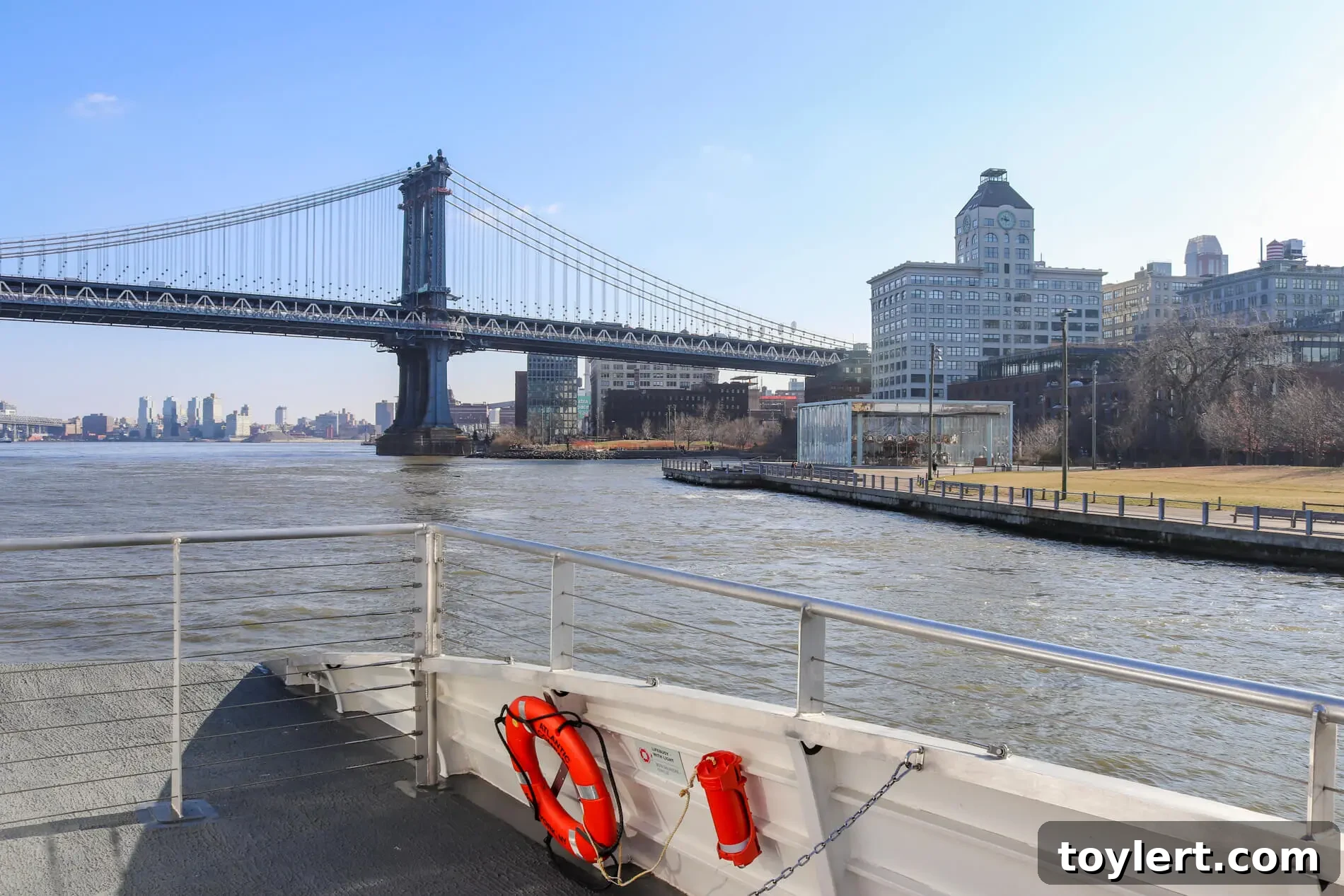
Brooklyn Pulse: Unpacking the Latest News and Community Insights
Welcome to our comprehensive digest of the most impactful stories shaping Brooklyn’s dynamic landscape. From the intricate debates surrounding urban development and real estate policy to the powerful voices of community activism and the ever-evolving cultural scene, this curated selection offers a deep dive into the narratives defining one of New York City’s most vibrant boroughs. Stay informed on critical policy changes, significant infrastructure projects, and the grassroots movements that are actively shaping Brooklyn’s future, all sourced from leading journalistic outlets.
Understanding these developments is key for residents, stakeholders, and anyone interested in the pulse of NYC. We aim to provide clear, concise, and context-rich information to help you grasp the significance of each headline.
In the News
-
Community Resistance vs. Large-Scale Urban Development in Brooklyn
The spirit of Brooklyn’s diverse communities is increasingly making its voice heard against the tide of large-scale urban development. This critical report from the New York Times highlights the growing friction between ambitious developers and residents who are deeply concerned about the potential negative impacts on their neighborhoods. Issues such as escalating rents, displacement of long-term residents, loss of historic character, and increased strain on local infrastructure are at the forefront of these debates. Community groups across Brooklyn are organizing, advocating for more thoughtful, equitable, and sustainable development practices that prioritize existing residents and preserve the unique cultural fabric of their areas. This ongoing struggle underscores a broader conversation about who benefits from urban growth and the importance of community input in city planning.
Delve deeper into the challenges and triumphs of these grassroots movements:
The People vs. Big Development in Brooklyn and Beyond [NYT]
This coverage provides essential context for understanding the complex dynamics of urban expansion in New York City and the power of collective action in shaping the future of its most beloved neighborhoods.
-
Broker Fees Ban Rocks NYC Real Estate: A Win for Renters, a Challenge for Agents
A significant shift in New York City’s real estate landscape unfolded with the controversial ban on broker fees for renters, sending ripples across the market. While this policy was met with jubilation by countless renters who faced exorbitant upfront costs, it simultaneously created considerable uncertainty and financial strain for real estate agents whose livelihoods depend on these commissions. The New York Times explores the immediate aftermath of this regulatory change, detailing the celebratory mood among renters who anticipated saving thousands of dollars, alongside the profound anxiety gripping the brokerage community as they scrambled to adapt to the new rules. This decision ignited a passionate debate about affordability in NYC, the role of real estate intermediaries, and the challenges of implementing sweeping policy changes in a highly competitive market.
Understand the full impact on both sides of the rental market:
Brokers’ Fees Ban: Renters Are Jubilant, But Agents Are Reeling [NYT]
This story is crucial for anyone navigating the rental market in NYC, offering insights into landlord-tenant dynamics and the evolving regulatory environment impacting real estate professionals.
-
MTA Reopens Long-Shuttered Nostrand Avenue Subway Entrances, Boosting Accessibility
Good news for Brooklyn commuters! The Metropolitan Transportation Authority (MTA) announced the reopening of long-shuttered subway entrances along Nostrand Avenue, a move celebrated by local residents eager for improved access and convenience. The Brooklyn Paper reports on this positive development, which promises to alleviate congestion at existing entrances and provide easier access to public transit for thousands of daily riders in the area. Such infrastructure upgrades, even seemingly minor ones, can significantly impact daily commutes, enhance neighborhood connectivity, and contribute to the overall revitalization of transit hubs. This initiative reflects ongoing efforts by the MTA to enhance user experience and address community needs, making public transportation more efficient and accessible for Brooklynites.
Discover more about this welcome upgrade for Nostrand Avenue commuters:
MTA to Reopen Long Shuttered Nostrand Avenue Subway Entrances [BP]
Improved subway access is a vital component of urban living, and this reopening marks a step forward in enhancing the quality of life for residents along this busy Brooklyn thoroughfare.
-
East Flatbush Residents Seek Historic Designation for Beloved Block
Preserving Brooklyn’s rich architectural and cultural heritage is a continuous effort, and residents of an East Flatbush block are at the forefront of this movement. The Brooklyn Paper details their compelling request to the Landmarks Preservation Commission (LPC) for historic designation status, aiming to protect their unique streetscape from potentially disruptive development. This initiative underscores the deep pride and commitment residents have towards their neighborhood’s character, seeking official recognition that would safeguard its distinctive architecture and historical significance. A historic designation would provide crucial protections against demolition or inappropriate alterations, ensuring that the block’s legacy is preserved for future generations. This community-led effort highlights the importance of local advocacy in shaping the future of New York City’s treasured areas.
Learn about the community’s efforts to secure this important designation:
LPC Considers East Flatbush Block Residents’ Designation Request [BP]
Such endeavors are vital for maintaining the diverse historical tapestry of Brooklyn and empowering communities to protect their heritage.
-
The Unpredictable Political Ascent of Eric Adams: A Brooklyn Story
Eric Adams, a prominent figure in Brooklyn politics, has had a career marked by unexpected twists and turns, making his journey a compelling study in New York City’s political landscape. Gothamist provides an insightful look into the “shocking” and often unpredictable path Adams has carved, from his early days in law enforcement to his impactful roles as a State Senator, Brooklyn Borough President, and eventually, Mayor. His trajectory is a testament to resilience, strategic maneuvering, and an ability to connect with diverse voter bases. This article explores the key moments, controversies, and defining characteristics that have shaped Adams’s political identity, offering readers a deeper understanding of the man who would eventually lead one of the world’s largest cities. His story is particularly resonant for those interested in local governance and the unique challenges and opportunities within NYC politics.
Explore the full narrative of his remarkable political evolution:
The ‘Shocking’ and Unpredictable Political Journey of Eric Adams [Gothamist]
Understanding figures like Eric Adams is crucial for comprehending the broader political currents and future direction of New York City.
-
Community Protests in Borough Park After ICE-Involved Shooting
Tensions ran high in Borough Park, Brooklyn, following an incident involving Immigration and Customs Enforcement (ICE), which culminated in an outdoor protest at a local hospital. Gothamist reports on the community’s strong reaction, detailing the gathering of residents outside the Borough Park hospital in response to an ICE-involved shooting. Such events often ignite passionate debates about immigration policy, police conduct, and community safety, particularly in diverse neighborhoods. The protest served as a powerful expression of concern and solidarity, highlighting the deep emotional and social impacts of federal enforcement actions within local communities. This incident brought to the forefront complex issues surrounding immigration, law enforcement accountability, and the rights of residents, galvanizing local activism.
Read more about the community’s response and the unfolding situation:
Protest Outside Borough Park Hospital After ICE Shooting [Gothamist]
These protests underscore the vital role of community engagement and the assertion of civil liberties in the face of contentious government actions.
-
Brooklyn BIDs Navigate Growth Without Fueling Gentrification
Business Improvement Districts (BIDs) in Brooklyn are confronting a delicate balancing act: fostering economic growth and vibrancy within their commercial corridors while actively working to prevent the displacement and cultural erosion often associated with gentrification. City & State explores this complex challenge, highlighting how Brooklyn BIDs are striving to implement strategies that support existing small businesses, promote local talent, and ensure that neighborhood improvements benefit all residents, not just new arrivals. This report sheds light on innovative approaches being explored to achieve economic prosperity without inadvertently catalyzing harmful demographic shifts. It’s a critical discussion for urban planners and community leaders seeking sustainable development models that uphold the integrity and diversity of Brooklyn’s unique neighborhoods.
Discover how Brooklyn BIDs are tackling this intricate challenge:
Brooklyn BIDs Want to Grow Without Spurring Gentrification [City & State]
Their efforts provide valuable lessons for urban areas worldwide facing similar pressures of growth and preservation.
-
Changing Greenpoint Retail Scene Sees Closure of Longtime Polish Shops
Greenpoint, Brooklyn, a neighborhood historically renowned for its vibrant Polish community and cultural heritage, is experiencing significant shifts in its retail landscape. City Limits reports on the bittersweet closure of several longtime Polish shops, emblematic of the broader changes occurring as gentrification continues to reshape the area. These establishments were more than just stores; they were cultural anchors, gathering places, and vital links to the neighborhood’s identity. Their closure signifies not only an economic transition but also a poignant loss for the community’s heritage. The article explores the economic pressures faced by independent businesses, the evolving consumer base, and the broader impact of development on the unique character of Greenpoint. This story resonates with concerns about preserving local identity in rapidly transforming urban environments.
Read about the impact of these closures on Greenpoint’s cultural fabric:
Longtime Polish Shops Close in Changing Greenpoint Retail Scene [City Limits]
The narrative underscores the challenges faced by culturally significant small businesses in the face of rapid urban change.
-
Scratchbread Returns to Brooklyn as Seven Grain Army: A Culinary Revival
Foodies rejoice! A beloved Brooklyn institution, Scratchbread, is set to make a triumphant return under a new guise: Seven Grain Army. Eater brings the exciting news of this culinary comeback, promising the return of the artisanal bread and baked goods that earned Scratchbread a devoted following. This rebranding and relaunch signify not just a new chapter for a popular eatery but also reflect the dynamic and resilient nature of Brooklyn’s food scene. It highlights the passion of local chefs and entrepreneurs who continue to innovate and adapt, bringing cherished flavors back to the community. This eagerly anticipated return is a testament to Brooklyn’s enduring appetite for high-quality, locally crafted food experiences and signals continued vibrancy in the borough’s gastronomic offerings.
Get the full scoop on this exciting return to the Brooklyn food scene:
Scratchbread Will Return to Brooklyn as Seven Grain Army [Eater]
Such comebacks are a celebration of culinary resilience and community connection in the bustling food landscape of NYC.
-
Real Estate Industry Launches Legal Challenge Against Rental Commission Ban
The New York real estate industry is taking a firm stance against the state’s controversial ban on rental commissions, announcing plans to sue to overturn the new regulations. The Real Deal reports on this significant legal battle, which pits powerful real estate associations against state policy aimed at easing the financial burden on renters. This lawsuit underscores the profound disagreement between industry stakeholders and lawmakers regarding the fairness and economic viability of the commission ban. The outcome of this legal challenge has far-reaching implications for brokers, landlords, and tenants across New York City, potentially reshaping how rental transactions are conducted for years to come. It’s a crucial development for anyone involved in or affected by the NYC rental market.
Understand the industry’s legal arguments and the potential ramifications:
Real Estate Industry to Sue Over Rental Commission Ban [TRD]
This ongoing legal dispute is a key indicator of the evolving regulatory environment impacting real estate in one of the world’s most competitive markets.
-
Daten Group’s 540 Waverly Avenue Revealed: A New Addition to Clinton Hill
Clinton Hill, Brooklyn, is set to welcome a significant new development as the Daten Group’s plans for 540 Waverly Avenue are unveiled. New York YIMBY provides an exclusive first look at the renderings and details of this upcoming project, offering insights into its design, scale, and potential impact on the neighborhood. Such developments are always keenly watched by residents and real estate enthusiasts alike, as they contribute to the evolving architectural landscape and economic vitality of Brooklyn. This project signifies ongoing investment and growth in Clinton Hill, a neighborhood known for its blend of historic charm and modern amenities. Understanding these new constructions is vital for tracking urban development trends and assessing the future character of Brooklyn’s diverse districts.
See the detailed revelation of 540 Waverly Avenue in Clinton Hill:
Daten Group’s 540 Waverly Avenue Revealed in Clinton Hill [NYY]
These architectural updates are integral to understanding the continuous transformation of Brooklyn’s urban fabric and its implications for residents.
-
New Mixed-Use Building Planned for East Flatbush: 3401 Farragut Road
East Flatbush, Brooklyn, continues to see robust development activity with permits filed for another significant project: a four-story mixed-use building at 3401 Farragut Road. New York YIMBY reports on the latest plans for this development, which typically signifies a blend of residential units and ground-floor commercial space, aiming to enhance both living options and local amenities. Such projects contribute to the density and vibrancy of the neighborhood, bringing new housing stock and potential business opportunities. While development is often a sign of growth, it also brings discussions about infrastructure capacity, neighborhood character, and affordability. This new construction reflects the ongoing demand for housing and commercial spaces in Brooklyn and illustrates the constant evolution of its many distinct communities.
Get the specifics on the proposed mixed-use development in East Flatbush:
Another Four-Story Mixed-Use Building Planned for East Flatbush [NYY]
Keeping track of these permit filings is essential for residents and prospective buyers interested in the future trajectory of Brooklyn’s neighborhoods.