Miraculous Escape: Masonry Falls from Prospect Heights Building, No Injuries Reported
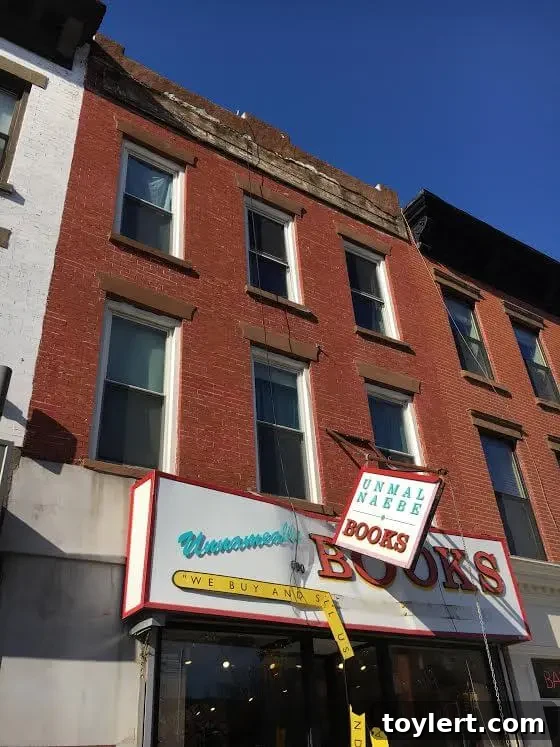
A startling incident unfolded this morning at approximately 11:45 a.m. in the vibrant Prospect Heights neighborhood of Brooklyn when a significant piece of masonry detached from a building located at 600 Vanderbilt Avenue. While the unexpected collapse caused noticeable damage to the property, the community breathed a collective sigh of relief as, miraculously, no injuries were reported. The close call has sparked renewed conversations about urban building safety and the critical importance of diligent maintenance.
Eyewitness accounts quickly emerged, painting a vivid picture of the dramatic event. A local tipster, who was nearby at the time and provided exclusive photos of the aftermath, described the scene with an palpable sense of relief:
Huge piece of masonry just fell off the roof of 600 Vanderbilt. No one hurt inside or outside. I was in the store at the time.
This firsthand account underscores the sheer luck involved in averting a potential tragedy. In a densely populated urban area like Prospect Heights, where sidewalks are frequently bustling with pedestrians and local businesses welcome daily patrons, falling debris of this magnitude could have had catastrophic consequences. The fact that no passersby were struck and no occupants of the building, including those inside the ground-floor establishment, sustained harm is a testament to extraordinary fortune.
The Scene: Debris and Disruption on Vanderbilt Avenue
Following the alarming incident, the area around 600 Vanderbilt Avenue quickly became a focal point of concern and investigation. Photos provided by the Brownstoner tipster clearly depicted the substantial nature of the fallen materials. Piles of what appeared to be rusted metal, plaster, and concrete lay scattered on the sidewalk and potentially impacting parts of the storefront, necessitating immediate cordoning off of the affected zone. Emergency services may have been on standby to assess the situation, ensure public safety, and begin the preliminary stages of investigation into the structural failure.
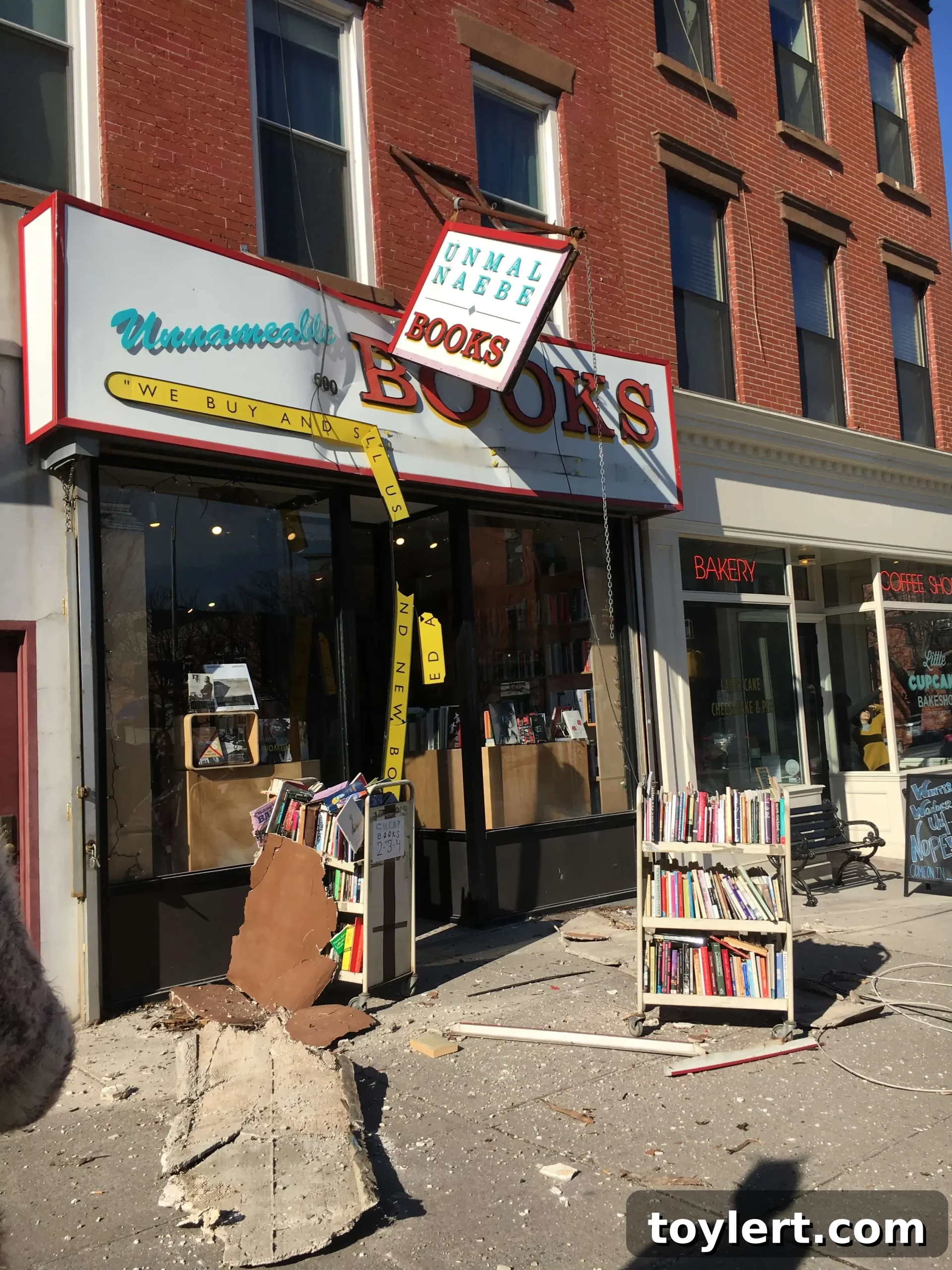
The sudden sight of fallen building materials invariably creates a sense of unease among residents and business owners. It serves as a stark reminder of the hidden vulnerabilities that can exist within the urban fabric, particularly in neighborhoods like Prospect Heights, which are characterized by a charming mix of historic brownstones and older commercial structures. While the immediate danger passed without incident, the long-term implications for the building’s integrity and the surrounding area’s safety will undoubtedly be a primary concern for local authorities and the community alike.
Unnameable Books: A Cultural Landmark at the Center of the Incident
The building at 600 Vanderbilt Avenue holds a special place in the heart of the Prospect Heights community, as it has been the beloved home of Unnameable Books, an independent new and used bookstore, since 2009. Prior to establishing its roots on Vanderbilt, the bookstore cultivated its unique identity in Park Slope, having moved from Bergen Street. Unnameable Books is more than just a retail space; it’s a vital cultural hub, offering a diverse selection of literature, hosting readings, and fostering a sense of intellectual community.
Independent bookstores like Unnameable Books are cornerstones of vibrant neighborhoods, often serving as gathering places where ideas are exchanged and passions are nurtured. Their presence contributes significantly to the unique character and appeal of areas like Prospect Heights. The incident involving the building’s facade therefore impacts not only the physical structure but also raises concerns for a cherished local institution and its role within the community. The swift reassurance that no one inside or outside the store was harmed provides a measure of comfort, yet the incident highlights the need to ensure the continued safety and stability of such treasured establishments.
The building itself, like many in these historic Brooklyn neighborhoods, likely possesses architectural features that speak to its age and original construction. Over decades, these structures endure the relentless forces of weather, pollution, and general wear and tear. While they lend undeniable character to the streetscape, they also demand consistent vigilance and maintenance to ensure their structural integrity and safety for modern urban living.
Unraveling the Cause: Old Buildings, Modern Challenges, and Urban Maintenance
Initial observations suggest that the fallen material may have included a piece of rusty sheet metal that reportedly replaced the building’s original cornice, alongside various quantities of plaster or concrete-type material. This detail is particularly significant as it points towards potential issues related to past renovations or repairs, where original architectural elements might have been altered or replaced with materials that have since deteriorated or were improperly installed. The cornice, an ornamental molding that crowns the top of a building, is not merely decorative; it often plays a role in diverting rainwater and protecting the facade.
The challenges of maintaining older buildings in New York City are manifold. Brooklyn’s historic structures, many dating back over a century, are constantly exposed to harsh weather cycles, including freezing and thawing, which can lead to cracks and water penetration. Vibrations from city traffic, pollution, and the sheer passage of time also contribute to the degradation of materials like masonry, mortar, and metalwork. Without regular, thorough inspections and timely repairs, these elements can weaken, leading to the type of detachment witnessed on Vanderbilt Avenue. Deferred maintenance, where necessary repairs are postponed, can exacerbate minor issues into significant structural hazards.
Recognizing these inherent risks, New York City has robust regulations in place to ensure building safety. One of the most critical is the Façade Inspection Safety Program (FISP), formerly known as Local Law 11/98. This program mandates that owners of buildings greater than six stories in height have their exterior walls and appurtenances (like cornices, balconies, and decorative elements) inspected periodically by a licensed professional engineer or registered architect. The purpose of FISP is to identify and address unsafe conditions before they lead to incidents like the one in Prospect Heights. While the exact height of 600 Vanderbilt Avenue is not specified in the original report, the incident serves as a powerful reminder of the underlying principles of FISP: proactive assessment and repair are paramount to public safety in a vertical city.
Beyond the Debris: Community Safety and Awareness in Prospect Heights
The immediate aftermath of such an event often involves a coordinated response from various city agencies. Beyond the initial securing of the site, structural engineers from the Department of Buildings (DOB) would likely be dispatched to conduct a thorough examination of the remaining facade to determine its stability and identify any other potential hazards. A full investigation into the cause of the masonry fall would ensue, aiming to ascertain whether the incident was due to age-related deterioration, inadequate maintenance, faulty repairs, or other contributing factors. Building owners could face violations or orders to perform necessary repairs to render the building safe, which may include scaffolding and extensive renovation work.
For the Prospect Heights community, an incident like this can trigger a heightened sense of awareness and concern. Residents might become more vigilant about the condition of buildings in their vicinity, perhaps noticing hairline cracks, loose mortar, or deteriorating decorative elements that they might have overlooked before. Local businesses, especially those operating in older buildings, might also feel increased pressure to review their own maintenance protocols. The collective experience serves as a sobering reminder that living in a historic city comes with shared responsibilities for safety and upkeep.
This event also underscores the vital role that active community participation plays in urban safety. Residents are often the first to notice subtle changes or potential hazards in their immediate surroundings. Reporting concerns about precarious building conditions to 311 or directly to the Department of Buildings can be a critical step in preventing future incidents. An informed and engaged community acts as an additional layer of vigilance, complementing the efforts of city regulators and property owners in maintaining a safe urban environment for everyone.
A Call for Vigilance and Proactive Building Management
The masonry fall on Vanderbilt Avenue serves as a potent case study for building owners across Brooklyn and beyond. It highlights the indispensable need for proactive, rather than reactive, building management. Regular, professional inspections should be viewed not as an expense, but as an essential investment in public safety and the long-term preservation of valuable urban assets. Implementing a comprehensive maintenance schedule, promptly addressing any signs of wear or damage, and utilizing qualified contractors for repairs are fundamental practices for ensuring structural integrity.
The incident also reinforces the critical role of local authorities in enforcing building codes and ensuring compliance with safety regulations. Their oversight and capacity to mandate necessary repairs are vital in safeguarding the public from potential hazards associated with aging infrastructure. As urban landscapes continue to evolve and buildings age, a collaborative approach involving property owners, city agencies, and engaged residents is essential to foster a culture of safety and responsibility.
While the falling masonry at 600 Vanderbilt Avenue caused damage and disruption, the lack of injuries is truly a stroke of luck that the Prospect Heights community will not soon forget. It stands as a powerful reminder of the constant interplay between historic architecture and modern urban life, urging continuous vigilance, diligent maintenance, and an unwavering commitment to public safety in our dynamic city environments.