Williamsburg Residents Achieve Victory, Blocking Controversial Nightclub Proposal on North 1st Street
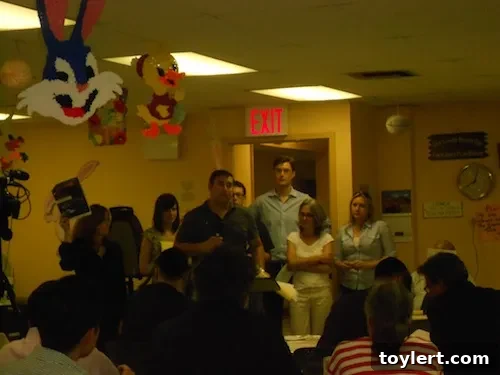
In a resounding affirmation of community power and local advocacy, residents of Williamsburg, Brooklyn, recently celebrated a significant victory in their efforts to preserve the character and tranquility of their neighborhood. Their collective voice successfully halted the development of a contentious nightclub proposal on North 1st Street, culminating in a unanimous denial of its liquor license application by the Community Board 1 (CB1) Liquor License Committee. This outcome underscores the critical role residents play in urban planning and the determination of their neighborhood’s future. The proposed establishment, envisioned by Manhattan nightclub owner Alexander Dimitrov, aimed to transform an existing warehouse into a substantial 300-person venue, complete with a rooftop patio – a concept that sparked widespread alarm among those who call Williamsburg home.
The Ambitious Proposal: A New Nightlife Destination or a Source of Disruption?
The specifics of the proposed nightclub, as initially reported by the Brooklyn Paper, detailed an ambitious project by Alexander Dimitrov. Dimitrov, a figure known for his distinct and often unconventional Manhattan establishment, “Mehanata,” sought to extend his brand of entertainment into a burgeoning residential corridor of Williamsburg. His vision involved the comprehensive renovation of a local warehouse, transforming it into a sprawling entertainment complex designed to accommodate up to 300 patrons. Beyond the primary indoor space for dancing and socializing, a key feature of the proposal was a rooftop patio, promising an open-air experience for guests.
While such a development might be welcomed in commercial districts, its placement on North 1st Street immediately raised red flags for the surrounding community. Residents foresaw a dramatic increase in foot and vehicular traffic, late-night noise, and potential public disturbances – issues that stood in stark contrast to the quiet residential atmosphere they cherished. The scale of the proposed club, with its substantial capacity and extended operating hours, presented a direct challenge to the existing quality of life and residential harmony in an area that had not historically been zoned for high-intensity nightlife.
A Proprietor’s Past: The Controversial Shadow of “Mehanata”
A significant factor fueling the community’s intense opposition was Alexander Dimitrov’s track record with his Manhattan club, Mehanata. The Brooklyn Paper’s colorful description of Mehanata painted a vivid picture of a venue known for its provocative and eccentric elements: “It boasts a bathroom sink that looks like a woman’s posterior, a fleet of party buses modeled after San Francisco cable cars, and a refrigerated ‘ice cage’ where waiters in Russian military garb serve booze amid furniture and glassware made from ice.” While certainly unique, this description, combined with documented violations at the Manhattan location – most notably, instances of serving alcohol to minors – created a deep sense of distrust among Williamsburg residents.
Dimitrov’s assurances of a “more laid back” club for Williamsburg rang hollow against the backdrop of Mehanata’s reputation for rowdy atmosphere and operational lapses. Residents struggled to reconcile the proprietor’s promise of a subdued venue with his established history, fearing that the proposed Williamsburg club could easily devolve into a similar source of problems. This inherent conflict between the owner’s public assurances and his operational past became a critical point of contention, intensifying local skepticism and solidifying the community’s united front against the proposal.
Community United: A Resounding Wave of Opposition
The public session held by Community Board 1 served as a pivotal moment, providing Williamsburg residents with a crucial platform to articulate their profound disapproval of the nightclub proposal. The room was packed, and the overwhelming majority of attendees unequivocally expressed their opposition, transforming the session into a powerful display of community solidarity and determination. This surge of public outcry was not an isolated incident but the culmination of weeks of diligent grassroots organizing and concerted collective action by dedicated residents.
Prior to the CB1 meeting, a petition circulated within the neighborhood had rapidly amassed over 250 signatures. This impressive number represented a significant portion of the local populace, all deeply concerned about the potential negative ramifications of the proposed club. The strong showing of unified dissent during the public session and through the petition underscored the community’s proactive and organized approach to safeguarding their residential environment against what they perceived as an incompatible commercial intrusion.
Core Concerns Driving the Neighborhood’s Stance
During the public session, residents voiced a comprehensive array of pressing concerns, each highlighting how the nightclub’s approval would significantly degrade their quality of life:
- Exacerbated Traffic Congestion: A primary worry revolved around the inevitable surge in traffic. The influx of hundreds of club patrons arriving and departing by private vehicles, taxis, and ride-sharing services in an already busy area was predicted to severely worsen existing traffic conditions, leading to persistent gridlock, increased noise from vehicles, and a dire lack of parking.
- Intolerable Noise Pollution: The prospect of continuous late-night noise emanating from a bustling club, its outdoor rooftop patio, and the constant flow of revelers congregating on the streets well into the early morning hours (with specific concerns about drunk party-goers disrupting peace at 4 am) was a major source of anxiety. This threatened the quiet repose of families and long-term residents, promising sleepless nights and a significant decrease in residential comfort.
- Public Safety and Disorderly Conduct: Residents expressed serious concerns about the potential for increased public safety issues, including disorderly conduct, public intoxication, and vandalism by intoxicated individuals spilling out onto residential streets. The prior violations at Mehanata, particularly the alarming instances of serving alcohol to minors, amplified these fears. This raised the specter of increased crime rates and a general decline in neighborhood safety, which the community was staunchly unwilling to accept.
- Lack of Genuine Community Engagement: A recurring and deeply felt grievance was the perceived unwillingness of the owner, Alexander Dimitrov, to genuinely engage with the community and address their legitimate concerns. Residents felt their voices were being dismissed, and that the developer was attempting to push forward with the project without adequate consultation or compromise, fostering a pervasive sense of mistrust and alienation between the developer and the neighborhood.
The Human Element: Personal Stakes and Unwavering Resilience
Beyond the logistical and regulatory arguments, the opposition to the nightclub was profoundly personal for many Williamsburg residents. A particularly poignant moment highlighted the emotional toll and unwavering determination of those fighting for their neighborhood. One resident bravely shared her experience of receiving “hate mail to move out to Connecticut” after previous media coverage brought the community’s stance into the public eye. Despite this attempted intimidation, her resolute and powerful response — “I want to live here, I want to raise my son here” — resonated deeply with everyone present. This statement powerfully encapsulated the unwavering commitment of individuals to their homes, their families, and the future character of their beloved Williamsburg. It underscored that the debate extended far beyond a mere business venture; it was about the fundamental right of residents to maintain the peaceful, safe, and family-friendly environment they had cultivated.
The raw emotion, compelling narratives, and well-articulated arguments presented by residents throughout this process were also captured and shared publicly. Footage of residents passionately speaking out against the proposal can be viewed over at New York Shitty, providing a tangible testament to the organized, heartfelt, and ultimately effective resistance that profoundly influenced the final outcome.
The Decisive Role of Community Board 1 and a Unanimous Verdict
In New York City, Community Boards play an indispensable advisory role in critical matters concerning land use, zoning, and the review of liquor license applications. CB1’s public session was designed to facilitate direct input from the community, ensuring that local concerns and perspectives are thoroughly weighed by the committee before any recommendation is forwarded to the New York State Liquor Authority (SLA). In the case of the North 1st Street nightclub, the sheer weight of public opinion and the compelling nature of the residents’ arguments proved to be undeniable.
The extensive list of well-substantiated concerns, coupled with the owner’s challenging track record at Mehanata and his perceived lack of genuine cooperation with the community, led to a clear and unambiguous decision. As widely anticipated given the overwhelming display of opposition, the CB1 Liquor License Committee delivered a unanimous verdict: the club’s application was decisively denied. This unanimous vote carries profound implications, sending a powerful and unambiguous message not only to Alexander Dimitrov but also to all prospective developers considering high-impact commercial projects within residential areas. It unequivocally demonstrates that community concerns, particularly those pertaining to quality of life, public safety, and meaningful engagement, are paramount and cannot be easily disregarded. While the Community Board’s decision is technically a recommendation, the New York State Liquor Authority typically grants significant deference to the community board’s stance, especially when the opposition is as widespread, well-organized, and thoroughly documented as it was in this instance.
Broader Implications: Empowering Communities in Urban Development
The successful opposition to the North 1st Street nightclub proposal in Williamsburg transcends the mere denial of a single liquor license. It stands as a potent and inspiring illustration of community power and its indispensable role in the ongoing narrative of urban development, particularly within rapidly gentrifying neighborhoods. As dynamic urban centers like Williamsburg continue to evolve, the delicate balance between fostering economic growth, promoting vibrant commercial offerings, and preserving the cherished residential quality of life becomes an increasingly complex and critical challenge. This particular case starkly highlights the inherent tension between developers seeking to capitalize on a neighborhood’s popularity and long-term residents striving to protect their peace, safety, and established way of life.
This incident sets a crucial precedent, sending a clear signal to developers that genuine community input and an unwavering commitment to proactively addressing local concerns are not merely optional considerations but non-negotiable prerequisites for the successful and sustainable implementation of any project. It powerfully reinforces the idea that authentic urban development must be a collaborative and inclusive process, one that genuinely integrates the diverse voices, needs, and aspirations of those who live within the affected areas. The unified front presented by Williamsburg residents underscores the profound importance of active participation in local governance and demonstrates the formidable collective ability of a community to safeguard its interests against potentially disruptive or incompatible commercial ventures. Their victory serves as an inspiring blueprint for other communities facing similar pressures, proving unequivocally that organized, passionate, and well-articulated advocacy can indeed effectively steer the course of urban change, ensuring that development serves the residents, not just developers.