Navigating the Future of Gowanus: Community Voices Clash with Development Ambitions
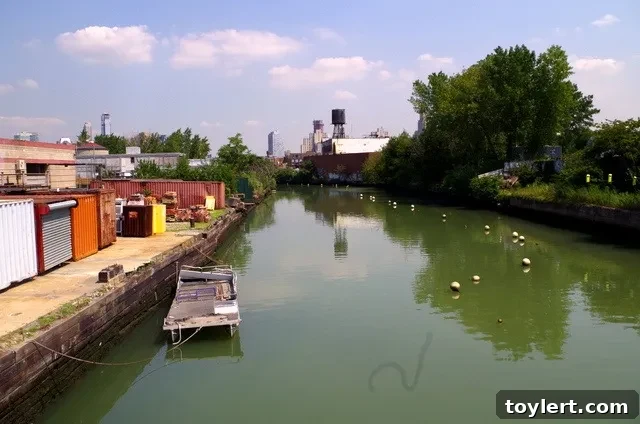
The Gowanus Canal, a unique and historically significant waterway in Brooklyn, stands at a pivotal crossroads. Once a bustling industrial artery and now a Superfund site undergoing extensive environmental remediation, the surrounding Gowanus neighborhood is experiencing intense development pressure. This push for transformation, however, has ignited passionate debate and strong community opposition, highlighting the complex challenges of urban planning in a rapidly evolving city.
At a recent “Take Back Gowanus” meeting, a seasoned resident articulated a sentiment widely shared among the community: “Lander’s whole process was rigged to create a forced consensus to give the developers a green light to go forward.” This pointed critique was directed at Councilman Brad Lander’s series of public meetings earlier in the year, which many residents felt failed to genuinely incorporate community feedback, instead paving the way for predetermined development outcomes. Such allegations underscore a fundamental distrust between long-term residents and the city’s planning apparatus, suggesting a deep-seated belief that the process is designed to favor large-scale developers over local interests and concerns.
The Heart of the Dispute: “Forced Consensus” and Community Concerns
The accusation of a “rigged process” centers on the perception that while public forums were held, the substantive input from the community was either sidelined or merely used as a formality. Residents report feeling unheard, with their detailed proposals and objections seemingly overlooked in favor of a development agenda already set in motion. This “forced consensus” is particularly troubling for a community that cherishes the unique character of Gowanus – a vibrant blend of industrial heritage, artistic studios, small businesses, and a growing residential population, all situated around an environmentally delicate waterway.
The “Take Back Gowanus” movement encapsulates a broad spectrum of these concerns, uniting disparate factions who share a common goal: ensuring that the future of Gowanus is shaped by its community, not solely by developer interests. Their worries extend far beyond mere aesthetics, delving into critical issues that impact the livability and sustainability of the entire neighborhood. These include, but are not limited to, the overwhelming scale of proposed buildings, the strain on existing public infrastructure, the potential for increased pollution, and the specter of gentrification displacing long-standing residents and businesses.
Infrastructure Strain: A Growing Burden on a Historic Neighborhood
One of the most pressing concerns for Gowanus residents is the immense pressure that large-scale development will place on the neighborhood’s already strained infrastructure. Gowanus, with its narrow streets and aging utility systems, was never designed to accommodate the influx of thousands of new residents and businesses. The proposed density of new buildings raises serious questions about the capacity of local schools, the sufficiency of public transportation, and the ability of the sewer system to handle increased demand. This latter point is particularly critical given the proximity to the Gowanus Canal, a Superfund site notorious for combined sewer overflows (CSOs) during heavy rainfall, which dump raw sewage directly into the waterway. More residents mean more waste, exacerbating an already grave environmental problem unless significant, and costly, infrastructure upgrades are implemented proactively.
Moreover, the influx of new residents will inevitably lead to increased traffic congestion on already busy thoroughfares, further impacting air quality and daily commutes. Residents fear that the allure of modern, high-rise living will come at the cost of diminished quality of life for everyone, unless comprehensive and forward-thinking infrastructure solutions are integrated into development plans from the outset, not as an afterthought.
Environmental Stewardship: Protecting the Gowanus Canal Superfund Site
The Gowanus Canal’s status as an EPA Superfund site adds another layer of complexity to the development debate. For decades, the canal served as a dumping ground for industrial waste, leaving behind a toxic legacy that requires monumental cleanup efforts. While the ongoing remediation is a testament to environmental commitment, residents are deeply concerned about how extensive new construction will interact with this delicate ecological balance. Disturbing contaminated land, especially within a flood zone, carries inherent risks. There are fears that construction activities could disrupt the layers of toxic material beneath the surface, potentially re-releasing pollutants into the air and water, or undermining the effectiveness of the EPA’s cleanup plan.
The “Take Back Gowanus” movement emphasizes the critical need for truly sustainable development practices that prioritize the long-term health of the canal and the surrounding ecosystem. This includes strict environmental impact assessments, robust mitigation strategies, and building designs that account for rising sea levels and increased storm intensity – factors that are especially relevant for a low-lying, waterfront community. Any future for Gowanus must intrinsically link urban development with unwavering environmental stewardship, ensuring that economic growth does not compromise ecological recovery.
Preserving Gowanus’s Unique Character and Combating Gentrification
Beyond infrastructure and environmental concerns, residents express a profound attachment to the unique character of Gowanus. The neighborhood has long been a haven for artists, artisans, and small-scale manufacturers, drawn by its historic industrial buildings, relatively affordable rents, and distinctive creative energy. The proposed developments, often towering and generic, threaten to erase this unique identity, transforming Gowanus into another homogenized urban landscape dominated by luxury apartments and chain stores. The loss of existing industrial and creative spaces is a significant worry, as these are integral to the neighborhood’s economic and cultural fabric.
Furthermore, the specter of gentrification looms large. New, high-end developments inevitably drive up property values and rents, making it increasingly difficult for long-term residents and local businesses to remain in the area. This displacement erodes the social diversity and community bonds that define Gowanus. Advocates for “Take Back Gowanus” propose alternatives such as genuinely affordable housing initiatives, preservation of existing cultural and industrial assets, and policies that protect vulnerable populations from being priced out of their homes and livelihoods. They argue for a development model that serves the existing community and fosters inclusive growth, rather than one that caters exclusively to new, wealthier demographics.
Diverse Proposals for a Balanced Future
As highlighted in reports by publications like the Brooklyn Eagle, the speakers at the “Take Back Gowanus” meeting offered a wide range of proposals, reflecting the diverse perspectives within the community yet unified by a desire for more equitable and sustainable development. These proposals generally coalesce around several key themes:
- Reduced Density and Scale: Many called for a significant reduction in the height and bulk of proposed buildings to maintain the neighborhood’s character and prevent overwhelming infrastructure.
- Authentic Affordable Housing: Demand for truly affordable housing units, linked to local income levels, rather than market-rate or vaguely defined “affordable” options.
- Prioritized Infrastructure Upgrades: A commitment to fund and implement necessary upgrades to schools, transportation, and particularly the sewer system *before* new residents move in.
- Environmental First: Development plans that rigorously respect the Superfund cleanup process, incorporate advanced flood mitigation, and promote green infrastructure.
- Preservation of Industrial and Arts Spaces: Zoning and incentive programs to protect and foster the unique mix of industrial businesses and artistic communities that define Gowanus.
- Community-Led Planning: A call for a more democratic and transparent planning process where community input is not just heard but genuinely integrated into decision-making.
The Path Forward: Seeking Common Ground
The situation in Gowanus represents a microcosm of the broader urban planning challenges faced by cities worldwide: how to balance the pressures of growth, economic development, and housing demand with the critical needs for environmental protection, social equity, and the preservation of neighborhood identity. The passionate voices from the “Take Back Gowanus” movement serve as a powerful reminder that true progress in urban development cannot be achieved without authentic engagement with, and respect for, the communities that call these places home.
For Gowanus to thrive sustainably, a path forward must be forged through genuine dialogue, compromise, and a shared vision that prioritizes long-term community well-being over short-term development gains. This requires city officials, developers, and residents to work collaboratively, acknowledging the historical context of the neighborhood, the environmental sensitivities of the canal, and the diverse aspirations of its people. The future of Gowanus depends on whether its transformation can be guided by a truly inclusive consensus, rather than one perceived as forced and predetermined.