Editor’s note: This story is an update of one that ran in 2014. Read the original here.
Red Hook’s Enduring Legacy: From Maritime Hub to Modern Enclave, Centered on 110 Wolcott Street
New York City, blessed with one of the most magnificent natural harbors in the world, has always been defined by its waterfront. Among its many storied shores, the Red Hook coastline in Brooklyn stands out as a vibrant testament to the city’s maritime past and its ongoing evolution. For much of the 19th and early 20th centuries, Red Hook transformed into one of the busiest ports in the metropolitan area, a bustling artery that fueled the city’s industrial might and global trade connections. This explosive growth brought with it an immense demand for labor, drawing countless individuals and families to its docks, factories, and warehouses.
The landscape of Red Hook quickly adapted to accommodate this burgeoning population. Blocks upon blocks of houses and tenements sprung up, designed to provide rudimentary shelter for the thousands who sought their livelihoods from the unforgiving yet rewarding rhythms of the port. These were the working poor, the backbone of a relentless industrial engine, toiling long hours for meager wages, their existence a constant struggle against the tide of urban poverty.
The Rise of a Working-Class Waterfront Community
The narrative of Red Hook is inextricably linked to the saga of its working-class inhabitants. These were the men who loaded and unloaded ships, the women who worked in local factories, and the children who grew up amidst the clatter of industry and the cries of seagulls. Their lives were characterized by immense hardship and resilience. With limited resources and even less free time, the construction of elaborate civic institutions for worship or education was often beyond their means. Yet, the human need for community, for spiritual solace, and for places of learning remained as profound as anywhere else.
The port’s prosperity, while creating jobs, also created stark social divisions. While merchants and factory owners amassed fortunes, the laborers lived in crowded conditions, often in tenement buildings that lacked basic amenities. Sanitation was poor, disease was rampant, and the promise of a better life often felt distant. In such an environment, the establishment of community support systems became not just desirable but absolutely essential for the survival and well-being of the populace.
Meeting the Spiritual and Social Needs: The Genesis of Community Spaces
Despite the prevailing conditions, a profound sense of community often blossomed in these densely packed neighborhoods. It was in this fertile ground of necessity and shared struggle that institutions, often supported by philanthropic endeavors or broader religious organizations, began to take root. These external forces recognized the critical void in the lives of Red Hook’s working families and stepped in to provide what the community could not yet build for itself.
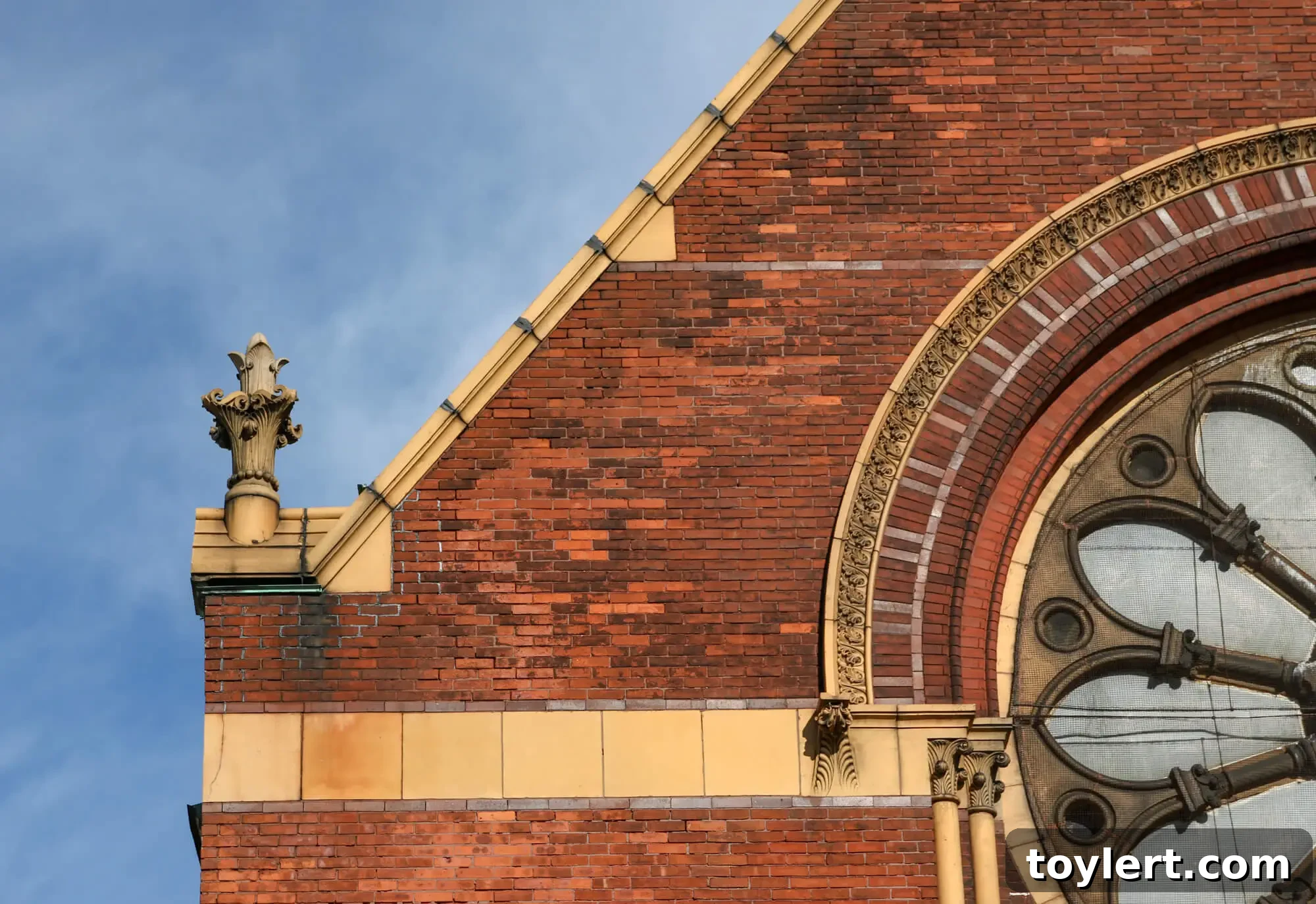
Among the most significant of these establishments was Christ Church Chapel, located at 110 Wolcott Street. While the grand, established churches of wealthier neighborhoods were architectural marvels, the chapels and missions in areas like Red Hook were built with a different purpose in mind: to be accessible, practical, and a sanctuary from the harsh realities of daily life. Christ Church Chapel, likely established in the mid to late 19th century, during Red Hook’s zenith as a port, was a beacon of hope and a vital anchor for the local community.
110 Wolcott Street: A Hub for Hope and Harmony
The building at 110 Wolcott Street, home to Christ Church Chapel, would have served multiple functions beyond simple worship. In an era before widespread public services, churches and their associated chapels often stepped in to fill critical social gaps. They provided not only spiritual guidance and a place for communal prayer but also acted as nascent social service centers. Imagine the chapel’s doors opening for Sunday school, offering basic literacy to children who might otherwise receive little formal education. Picture it hosting relief efforts during harsh winters, distributing food or clothing to families hit by unemployment or illness.
Architecturally, a building like Christ Church Chapel at 110 Wolcott Street would have likely been modest yet sturdy, reflecting the practical sensibilities of its time and place. It wouldn’t have boasted soaring Gothic spires or elaborate stained glass, but rather a functional, inviting structure. Its design would have emphasized utility and comfort, providing a simple, dignified space for people to gather, reflect, and find support. The enduring presence of such a structure speaks volumes about the community’s persistent need for spiritual nourishment and social cohesion, even amidst profound economic challenges.
This chapel, therefore, was more than just a place of worship; it was a cornerstone of community life. It fostered a sense of belonging, providing moral guidance, and practical assistance. It offered a space for celebration during life’s joys and solace during its sorrows. For the working families of Red Hook, 110 Wolcott Street represented a rare institutional constant in a world of constant flux and demanding labor.
The Evolving Landscape of Red Hook and the Chapel’s Enduring Role
As the 20th century progressed, the fortunes of Red Hook began to shift. The advent of containerization in the mid-century revolutionized shipping, rendering many traditional break-bulk ports like Red Hook obsolete. Ships moved away from its piers, factories closed, and the bustling waterfront grew quiet. The once-thriving industrial heart of Red Hook experienced a significant decline, leading to economic hardship and a period of disinvestment.
However, the spirit of Red Hook, nurtured over generations, proved resilient. In recent decades, the neighborhood has experienced a remarkable renaissance. Artists, entrepreneurs, and new residents, drawn by its historic charm, waterfront access, and unique character, have breathed new life into its old warehouses and industrial spaces. Yet, amidst this transformation, the echoes of its past remain potent. Historic buildings, including structures like 110 Wolcott Street, stand as tangible links to Red Hook’s storied origins.
Today, as Red Hook continues to evolve, the historical significance of places like Christ Church Chapel at 110 Wolcott Street becomes even more pronounced. These buildings serve as crucial reminders of the community’s deep roots, the struggles of its founders, and the enduring human need for places that foster connection and support. They tell the story of a neighborhood built on the sweat and toil of its people, and the institutions that helped them navigate life’s journey. Preserving these architectural gems is not just about maintaining old bricks and mortar; it’s about honoring a legacy and ensuring that the rich tapestry of Red Hook’s history continues to inspire future generations.
A Legacy Preserved: Honoring Red Hook’s Architectural Heritage
The architecture of Red Hook is a living museum, chronicling the various stages of its development. From the sturdy, utilitarian warehouses that once stored goods from around the globe to the rows of tenement houses that provided shelter, each building tells a part of the story. 110 Wolcott Street, whether still operating as a chapel or repurposed, embodies this heritage. Its existence reminds us that even in the most industrious and challenging environments, the human spirit sought comfort, community, and meaning.
The preservation of such sites is vital for understanding not just the physical development of a neighborhood but also its social and cultural evolution. It allows us to connect with the lives of those who came before us, to appreciate their challenges, and to recognize their contributions. Red Hook’s journey from a bustling port to a revitalized urban enclave is a powerful narrative of change, resilience, and identity, with historic structures like 110 Wolcott Street standing as silent, yet eloquent, witnesses to every chapter.