The Pulse of Brooklyn: Community, Development, and Daily Life in NYC’s Most Dynamic Borough
Brooklyn, a borough renowned for its vibrant culture, rich history, and dynamic communities, is a constant source of compelling stories that reflect the diverse spirit of New York City. From groundbreaking urban development projects aiming to redefine modern living to poignant historical rediscoveries and the everyday challenges and triumphs of its residents, Brooklyn’s narrative is as multifaceted as its population. This comprehensive overview delves into a collection of recent headlines, offering a profound glimpse into the myriad issues shaping one of New York City’s most iconic boroughs. We explore how innovative shared spaces are fostering new forms of community, shed light on forgotten historical monuments, confront pressing social issues, and celebrate the distinctive charm found in its local tales, all while maintaining a focus on the SEO-friendly, fluent, and engaging narrative that captures Brooklyn’s enduring appeal.
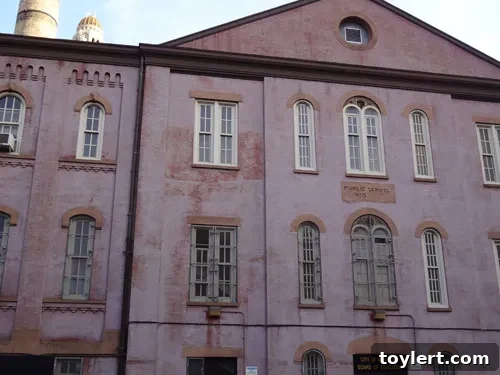
Historic Roots and Modern Transformations: A Glimpse at Public School 15
The image of Public School 15 serves as a powerful reminder of Brooklyn’s enduring heritage and its deep-rooted commitment to education and community. Historic buildings like PS 15 are far more than just architectural structures; they are indispensable cornerstones of their respective neighborhoods, embodying decades of history, learning, and local identity. Throughout Brooklyn, many such venerable institutions have undergone various transformations over the years. Some diligently retain their original purpose, continuing to educate new generations, while others are thoughtfully repurposed to meet the evolving needs of their dynamic communities, perhaps becoming cultural centers, affordable housing, or adaptive commercial spaces. These significant buildings often spark crucial conversations about architectural preservation, the changing landscape of urban education, and the continuous effort required to balance historical reverence with modern functionality. They stand as silent, yet eloquent, witnesses to generations of Brooklynites, their stories inextricably intertwined with the very fabric and soul of the borough. Exploring these architectural gems allows us to appreciate the layers of history that make Brooklyn such a unique place to live and learn.
Fostering Connection: Developers Embrace Common Spaces for Community Building in Brooklyn
In a bustling metropolis like New York City, where personal space is often at a premium, the concept of genuine community can sometimes feel elusive. However, a significant and transformative trend is emerging in urban development, particularly within Brooklyn’s rapidly expanding real estate market. Developers are increasingly recognizing the profound human need for connection among urban residents and are actively designing residential buildings with extensive, thoughtfully curated common spaces to facilitate vibrant community formation. As highlighted in a insightful report by the NY Times, titled “Developers Try to Build Communities Via Common Spaces”, this shift represents more than just an amenity upgrade; it’s a strategic and holistic effort to cultivate a genuine sense of belonging and social cohesion. These innovative communal areas can range from lush shared rooftop gardens offering panoramic city views and state-of-the-art fitness centers, to inviting co-working lounges, gourmet communal kitchens perfect for shared meals, and flexible multi-purpose event rooms. The overarching goal is to encourage spontaneous interactions, foster meaningful neighborly relationships, and create an environment where residents feel truly at home, not only within the confines of their individual apartments but also within the wider building community. This forward-thinking approach is particularly appealing to younger generations, new urban professionals, and those new to the city, offering built-in social networks and abundant opportunities for shared experiences that transcend the traditional boundaries of individual living units. For Brooklyn, a borough celebrated for its tight-knit neighborhoods and vibrant public life, this architectural philosophy aligns perfectly with its intrinsic communal spirit, promising a new era of interconnected and socially enriched urban living spaces. This trend is set to redefine modern residential standards across the borough, emphasizing wellbeing and social capital.
Unearthing History: A Little-Known Monument to Journalism in Cypress Hills
Brooklyn’s diverse neighborhoods are veritable treasure troves of hidden histories, often bearing witness to significant cultural, social, and political narratives that might otherwise fade into obscurity. The Cypress Hills area, known for its diverse community, verdant parks, and scenic views, holds one such intriguing secret: a little-known monument to journalism’s short memory, as explored in a fascinating piece by the NY Times City Room blog. While the specific monument might be metaphorical, representing a forgotten event or a subtle historical marker within the community, its conceptual existence prompts a deeper, critical reflection on the powerful role of journalism in shaping public memory and historical understanding. Such monuments, whether grand statues, unassuming plaques, or simply significant locations, serve as vital reminders of past events, influential figures, or even the complex evolution of information dissemination itself. In an age where news cycles are faster and more fleeting than ever before, acknowledging the “short memory” of journalism invites us to consider how historical reporting, both accurate and flawed, influences our present perceptions and future narratives. Discovering these often-overlooked historical gems in vibrant neighborhoods like Cypress Hills profoundly enriches our understanding of Brooklyn’s layered past, reminding us that every street corner and forgotten building can hold a compelling story waiting to be told and re-examined through a contemporary lens. It underscores the immense importance of local historical societies, community archives, and dedicated preservation efforts in safeguarding these invaluable fragments of our collective heritage for future generations.
Confronting Hate: A Second Swastika Found in a Williamsburg Building
The discovery of hate symbols within any community is a deeply disturbing and unequivocally unacceptable event, and the report from the NY Post detailing a “Second Swastika Found in Williamsburg Building” sends a chilling message to all residents. Williamsburg, a neighborhood celebrated globally for its incredible diversity, vibrant artistic community, and strong, interwoven social ties, has also experienced a painful history, and such acts of vandalism or deliberate intimidation are a stark and unwelcome reminder that antisemitism and other forms of hatred regrettably persist. These incidents are not merely acts of property damage; they are direct, malicious attacks on the fundamental values of inclusivity, mutual respect, and tolerance that many Brooklynites hold dear. The recurrence of such vile symbols can tragically create an atmosphere of fear, insecurity, and anxiety, especially for communities historically targeted by these hateful ideologies. It rightfully prompts critical conversations about communal vigilance, the imperative of education, and the power of collective action against prejudice and discrimination. Local authorities, dedicated community leaders, and concerned residents often unite swiftly in condemnation, working tirelessly to support affected groups and emphatically reinforce the message that hate has absolutely no home in Brooklyn. These egregious incidents underscore the ongoing and urgent need for robust interfaith dialogue, comprehensive anti-bias education programs, and proactive, community-oriented policing to ensure that all residents feel safe, valued, and respected, and that the borough’s unwavering commitment to diversity and acceptance remains a cornerstone of its identity.
A Quirky Brooklyn Tale: The Hunt for an ‘Opera-Singing’ Parrot
Amidst the daily news of urban development, complex social issues, and serious events, Brooklyn often offers delightful glimpses into its wonderfully unique character through stories that capture the heart and imagination. One such endearing tale, widely reported by the NY Post, involved the captivating “Hunt on for ‘Opera-Singing’ Parrot Missing in Brooklyn”. This endearing anecdote charmingly highlights the special and often surprising bond between pets and their owners, and the unexpected ways animals enrich our lives, even by serenading us with impromptu operatic arias. The community’s immediate and enthusiastic response to a missing beloved pet, especially one with such a distinctive and entertaining talent, often beautifully showcases the compassionate, supportive, and often quirky spirit found abundantly in Brooklyn neighborhoods. Flyers posted on lampposts, impassioned social media pleas, and energetic local word-of-mouth campaigns frequently mobilize residents to assist eagerly in searches, transforming a personal loss into a shared, heartwarming community concern. Such stories, while seemingly trivial or whimsical in the grand scheme of things, provide a welcome and heartwarming counterpoint to more serious headlines, reminding us of the profound human (and avian) connections that make urban living so exceptionally rich and vibrant. They also underscore the crucial role of local news outlets in capturing the quirky, charming, and often deeply endearing aspects of daily life that define Brooklyn’s unique personality and inherent sense of camaraderie, fostering a collective identity that celebrates the extraordinary in the ordinary.
Public Health Concerns: City Tech Cafeteria Declared Dirtiest in Brooklyn
Food safety and hygiene in public institutions, particularly those serving large student populations, are of paramount importance and directly impact the well-being of thousands. Therefore, the news that the BK Paper declared “City Tech Cafeteria is the Dirtiest in Brooklyn” would undoubtedly raise significant and legitimate concerns for students, faculty, and parents alike. This kind of alarming report draws critical public attention to the standards of cleanliness and food preparation within educational facilities, which are unequivocally obligated to provide a safe, healthy, and nourishing environment for their attendees. Issues of sanitation, if neglected, can quickly lead to serious public health risks, potentially impacting the physical well-being and academic performance of students. Such concerning findings typically prompt immediate and decisive action from institutional management and local health departments, initiating thorough investigations, implementing stricter cleaning protocols, and potentially retraining or reassigning staff to ensure compliance. The incident serves as a crucial reminder of the vital importance of regular, unannounced health inspections and complete transparency in reporting these findings to the public. It also highlights the invaluable role of local journalism in holding institutions accountable and advocating vigorously for the health and safety of the community, ensuring that basic standards of hygiene are not just met, but rigorously upheld and continuously monitored, especially in places where thousands gather daily for meals and social interaction. Public trust in such institutions depends heavily on these safeguards.
Worker Rights Under Scrutiny: Terrace Bagels Sued by Ex-Worker
The relationship between employers and employees forms a fundamental cornerstone of any local economy, and disputes arising from this dynamic often shed important light on broader issues of labor rights, corporate responsibility, and ethical business practices. A high-profile case brought against a well-known local establishment, as meticulously reported by the NY Daily News, detailing “Terrace Bagels Sued by Ex-Worker”, highlights the intricate complexities and significant challenges faced by both small businesses and their dedicated staff. Allegations such as compelling workers to pay health fines or systematically failing to provide mandated overtime wages are profoundly serious, touching upon fundamental aspects of labor law explicitly designed to protect employees from exploitation and ensure fair compensation. When such grave claims emerge, they not only directly affect the individuals immediately involved but also spark broader and crucial conversations within the community about fair labor practices, the critical importance of adhering to wage and hour laws, and the ethical treatment of workers. These legal battles can have significant and lasting repercussions for businesses, impacting their reputation, consumer trust, and potentially leading to substantial financial penalties. For Brooklyn, a borough powered by countless small and medium-sized enterprises, these cases serve as vital reminders for all employers to meticulously review their labor practices, ensuring unwavering compliance with all regulations and fostering a respectful, equitable, and legally sound workplace environment, thereby upholding the dignity and fundamental rights of every individual contributing to the vibrant local economy.
Community Resilience: Fire Engulfs Park Slope Home
Tragic events like house fires serve as stark and sobering reminders of the inherent fragility of urban life and the critical importance of robust emergency services and unwavering community solidarity. The distressing news reported by the NY Daily News of a “Fire Engulfs Park Slope Home”, tragically leading to injuries including a baby boy, is a harrowing account of a community facing sudden and profound adversity. Park Slope, widely known for its beautifully preserved brownstones, tree-lined streets, and strong, tightly woven neighborhood bonds, often demonstrates immense resilience and remarkable support in the face of such devastating incidents. Fires can cause catastrophic property loss and deep emotional trauma, but they also frequently bring out the absolute best in people, mobilizing neighbors to swiftly offer immediate assistance, temporary shelter, comfort, and practical support to those affected. This tragic event profoundly underscores the tireless and heroic efforts of New York City’s firefighters and emergency responders, who courageously put their lives on the line to protect residents and property. It also highlights the continuous and urgent need for comprehensive fire safety awareness campaigns, the widespread installation and maintenance of working smoke detectors, and proactive emergency preparedness within all homes and communities. While the immediate aftermath of such an event is undoubtedly difficult and heartbreaking, the enduring spirit of mutual aid and profound compassion within Brooklyn neighborhoods helps individuals and families navigate through the challenging journey of recovery and rebuilding, reinforcing the borough’s collective strength.
Brewing Success: New Coffee Shop Coming to 7th Avenue in Park Slope
Brooklyn’s vibrant and dynamic local economy is constantly evolving, with new businesses regularly injecting fresh energy and unique character into its diverse neighborhoods. The exciting announcement by Patch about a “New Coffee Shop Coming to 7th Ave” in Park Slope, specifically mentioning the anticipated “Noella Brew Bar,” is a prime example of this ongoing revitalization and entrepreneurial spirit. Coffee shops, in particular, play a profoundly significant role in the social fabric of Brooklyn communities. They are much more than just places to grab a quick beverage; they serve as informal meeting spots for friends and colleagues, temporary workspaces for freelancers, vibrant cultural hubs for local artists, and essential elements of countless daily routines. The arrival of a new establishment like Noella Brew Bar speaks volumes about the entrepreneurial spirit thriving in Brooklyn, reflecting strong confidence in the local market and a keen desire to cater to the discerning tastes of its residents, who value quality and community. Such ventures contribute meaningfully to the local economy by creating new job opportunities, attracting foot traffic to commercial corridors, and fostering a unique and evolving neighborhood identity. As Park Slope’s 7th Avenue continues to be a bustling and cherished commercial corridor, the addition of a new coffee shop is likely to be enthusiastically welcomed by residents eager for more options to connect, relax, and savor the borough’s distinctive blend of urban charm and genuine community warmth. It’s a small yet significant indicator of the continuous growth, adaptation, and unwavering dynamism within Brooklyn’s commercial landscape, promising a richer experience for all.
Brooklyn’s Enduring Spirit: A Tapestry of News and Community Life
From the cutting-edge architectural innovations shaping future communities to the solemn and stark reminders of past prejudices, from the endearing and quirky search for a talented, opera-singing parrot to critical battles for fundamental worker rights, and from tragic accidents prompting community support to the blossoming of promising new local businesses, the diverse collection of headlines emerging from Brooklyn presents a vivid, comprehensive, and deeply human picture of a borough in perpetual motion. Each story, whether grand in its scope or granular in its detail, contributes uniquely to the rich, intricate tapestry of life in New York City’s most populous and arguably most characterful borough. These compelling narratives collectively underscore Brooklyn’s unique and remarkable ability to seamlessly blend its rich historical legacy with the demands of modernity, address complex social issues with unwavering community resolve, and celebrate the quirky, everyday moments that collectively make it truly special. As Brooklyn continues to evolve, its residents, businesses, and institutions remain at the very heart of stories that resonate far beyond its geographical boundaries, reflecting the diverse challenges and inspiring triumphs of urban living in the 21st century. Embrace the spirit of Brooklyn, a place where every day brings a new story to tell.