The Future of Park Slope’s Historic Pavilion Theater: LPC Hearing Rescheduled Amid Major Redevelopment Plans
The fate of Park Slope’s beloved Pavilion Theater, a significant landmark nestled in the vibrant heart of Brooklyn, continues to captivate the attention of local residents, preservation advocates, and real estate developers alike. A critical hearing by the New York City Landmarks Preservation Commission (LPC), convened to deliberate on substantial proposed alterations to this iconic structure, has been rescheduled. This change moves the crucial decision-making process further into the public eye. Initially set for Tuesday, August 4, this pivotal session will now take place on Tuesday, August 18. This adjusted timeline allows all involved parties additional time to prepare for a discussion that is poised to significantly shape a prominent piece of Park Slope’s unique urban landscape and architectural heritage.
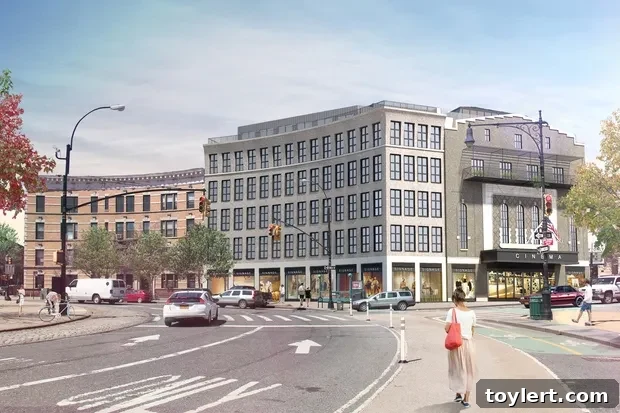
At the very heart of the upcoming deliberation lies an ambitious redevelopment vision put forth by Morris Adjmi Architects. Their extensive proposal includes a meticulous restoration and a thoughtfully designed addition to the historic 1929 neo-Renaissance theater itself, alongside the construction of an entirely new condo building adjacent to the existing site. This innovative, multi-faceted approach aims to breathe new life into the long-standing cultural institution, ensuring its longevity and relevance, while simultaneously introducing modern, high-quality residential spaces to the dynamic and highly sought-after Park Slope neighborhood. The local community board has already granted conditional approval to the comprehensive plan, indicating a degree of local acceptance, albeit tempered by notable reservations expressed by some members of the community.
Safeguarding Heritage: The Critical Role of the Landmarks Preservation Commission
The Landmarks Preservation Commission wields considerable authority in its mission to safeguard New York City’s invaluable architectural and cultural heritage. Established in 1965, the LPC is the municipal agency tasked with designating and protecting the city’s most architecturally, historically, and culturally significant buildings and sites. Given the Pavilion Theater’s prestigious landmark status, any major alterations, proposed additions, or new construction within its designated boundaries must undergo a rigorous review process and ultimately secure the LPC’s explicit approval. This stringent process serves as a vital safeguard, ensuring that all new developments respect the historical integrity, unique aesthetic character, and contextual relevance of the landmark and its surrounding historic district.
The impending hearing represents a critical juncture where the architects, developers, community representatives, and the general public will have the opportunity to directly present their arguments, concerns, and visions to the esteemed commissioners. The LPC’s mandate extends beyond mere aesthetic evaluation; it involves a complex balancing act between crucial preservation goals and the pressing realities of urban development, economic viability, and the ever-evolving needs of the community. For a project as high-profile and transformative as the Pavilion Theater’s redevelopment, the commission’s ultimate decision will undoubtedly establish an important precedent for how historic adaptive reuse projects are approached and executed in one of Brooklyn’s most cherished and historically rich neighborhoods.
The Pavilion Theater: A Storied Past and Architectural Gem of Brooklyn
Erected in 1929, the Pavilion Theater stands as a magnificent and enduring example of neo-Renaissance architecture, a style celebrated for its classical elements, grand scale, and intricate detailing. Designed during the vibrant golden age of cinema, it was originally conceived as a lavish movie palace, offering an opulent and immersive escape for throngs of eager moviegoers. These majestic theaters were far more than simple venues for screening films; they served as vital community hubs, astonishing architectural marvels, and potent symbols of urban sophistication and cultural aspiration. The Pavilion, with its distinctive facade, ornate interior features, and inherent historic charm, swiftly became an indispensable part of Park Slope’s burgeoning cultural landscape.
Over the course of many decades, the theater underwent various transformations, adapting to changing entertainment trends, technological advancements, and evolving public tastes. From its origins as a single, grand auditorium to its later conversion into a multi-screen multiplex, it consistently served as a beloved gathering place for generations of Brooklynites. Its continued physical presence, even through periods of neglect, disrepair, and uncertainty, powerfully underscores its profound cultural significance and enduring emotional resonance within the community. Its official landmark designation is a powerful testament not only to its inherent architectural value but also to its lasting and cherished role in the collective memory and identity of Park Slope.
Community Perspectives: Navigating the Delicate Balance of Preservation and Progress
Despite receiving conditional approval from the local community board, the comprehensive redevelopment proposal has not been universally embraced, drawing significant criticism from certain segments of the population. Some residents have voiced strong opposition, most notably with one resident famously likening the design of the proposed new condo building to a “penitentiary.” This striking and evocative comparison highlights the deep-seated concern among some locals regarding the aesthetic compatibility of the new structure with the venerable historic theater and, more broadly, with the overall cherished character of Park Slope. Common concerns articulated by residents often revolve around potential issues such as increased overshadowing, greater population density, exacerbated traffic congestion, and the pervasive fear that overtly modern designs might significantly detract from the neighborhood’s historically rich and beloved ambiance.
Such passionate reactions are frequently observed in urban development projects that involve significant historic sites. Residents often feel a profound sense of ownership and stewardship over their neighborhood’s unique visual identity and its treasured cultural landmarks. The inherent challenge for architects like Morris Adjmi is to conceptualize and design structures that are both highly functional and deeply respectful of their historical context, either through a harmonious blending of old and new or through a thoughtful, contrasting approach that nonetheless enhances the overall environment. The conditional approval granted by the community board suggests a nuanced and complex local dialogue, acknowledging the potential benefits of revitalization while simultaneously demanding meticulous consideration of community input and legitimate concerns.
Morris Adjmi Architects: An Architectural Vision for Thoughtful Adaptive Reuse
Morris Adjmi Architects are widely recognized and highly regarded for their thoughtful and innovative approach to seamlessly integrating contemporary design within complex historic urban settings. Their extensive portfolio frequently showcases projects that demonstrate a deep respect for existing architectural contexts while skillfully introducing modern elements. For the Pavilion Theater, their proposed plan involves a sophisticated, multi-faceted strategy: a painstaking and meticulous restoration of the theater’s historic facade and key interior elements, a thoughtfully designed addition intended to complement its existing structure, and the development of a distinct, standalone residential building. This comprehensive strategy of adaptive reuse endeavors to infuse new vitality into an aging yet significant structure, thereby ensuring its long-term viability, cultural relevance, and continued contribution to the community.
Designing an addition to a venerable neo-Renaissance landmark presents a unique set of intricate architectural challenges. The design team must expertly navigate the delicate equilibrium between preserving the past and embracing innovation, ensuring that any new construction or significant alteration does not diminish the theater’s original grandeur or historical integrity. The proposed condo building, while intended to be distinctly modern, is expected to feature sensitive design elements that thoughtfully acknowledge its historic neighbor, perhaps through carefully chosen material palettes, considered massing, or a contemporary interpretation of classical proportions. The ultimate success of the entire project will largely hinge on how seamlessly and artfully these new elements integrate with, and ultimately elevate, the historic presence and legacy of the Pavilion Theater.
A Broader Perspective: Preservation and Development in New York City
The unfolding situation surrounding the Pavilion Theater serves as an illuminating microcosm of a larger, ongoing, and often contentious debate within New York City: how to effectively balance the urgent and ever-growing need for new housing and robust economic development with the imperative to preserve the city’s invaluable and irreplaceable historic architecture. As desirable neighborhoods like Park Slope continue to attract new residents and significant investment, pressure invariably mounts on existing structures, particularly those occupying prime locations that hold immense development potential.
True historic preservation is not merely about freezing buildings in time, rendering them static museum pieces; rather, it embodies intelligent stewardship, actively seeking creative and sustainable solutions that allow historic structures to remain vibrant, functional, and economically viable within a dynamic, modern metropolis. Projects involving adaptive reuse, such as the comprehensive Pavilion Theater proposal, offer a viable and forward-thinking path by enabling buildings to evolve and serve contemporary needs while steadfastly retaining their significant historical character and architectural legacy. The upcoming LPC hearing is therefore much more than just a review of a single building; it is a profound testament to the ongoing dialogue about the future of New York’s past, and how communities can thoughtfully navigate the inherent complexities of urban growth and heritage protection.
Looking Ahead: Anticipating the Decisive LPC Hearing
The rescheduled Landmarks Preservation Commission hearing on August 18 will undoubtedly mark a decisive and pivotal moment for the Pavilion Theater redevelopment project. All eyes will be on the commissioners as they meticulously weigh the intricate details of Morris Adjmi Architects’ comprehensive proposal, carefully consider the sentiments and feedback from the vibrant Park Slope community, and critically assess the broader implications for historic preservation across the city. The outcome of this crucial session will not only determine the future appearance, functionality, and economic viability of this beloved Brooklyn landmark but will also send a clear and impactful message about the city’s evolving approach to thoughtfully integrating the old with the new. Residents, local businesses, and all interested parties are strongly encouraged to closely follow the proceedings, as this monumental decision is poised to leave an indelible and lasting imprint on the rich and vibrant tapestry of Park Slope for generations to come.