Editor’s note: Welcome to the 31st installment of Brownstone Boys Reno, a reader renovation diary. We’re excited to publish their tale of buying and renovating a brownstone in Bed Stuy. See the first one here. They also blog at www.thebrownstoneboys.com.
Beyond the Surface: The Art of Selecting Hardwood Floors for a Brownstone Renovation
In the expansive and often challenging world of home renovation, few decisions carry as much weight and visual impact as the selection of flooring. For us, the Brownstone Boys, navigating the intricacies of our brownstone project in Bed Stuy, Brooklyn, choosing the right hardwood floor was not merely a design preference; it was a cornerstone decision that would profoundly shape the character, comfort, and aesthetic of our entire home. As one of the largest continuous surfaces in any residence, the floor sets the stage, influences the perception of space, and serves as the silent foundation for every other element of interior design. Getting it right was, and still is, paramount.
The Enduring Appeal and Strategic Importance of Hardwood Flooring
Hardwood flooring has long been synonymous with quality, elegance, and timeless appeal, particularly within historic properties like Brooklyn brownstones. Its rich history and natural beauty lend an inherent warmth and sophistication that synthetic alternatives simply cannot replicate. Beyond aesthetics, hardwood offers remarkable durability, promising decades of use and the ability to withstand the test of time and changing trends. For us, investing in high-quality hardwood was a deliberate choice to enhance our brownstone’s intrinsic value, ensuring a classic foundation that would complement both its historical grandeur and our modern living needs. It’s a material that truly grows with a home, gaining character and depth over the years, making it an invaluable asset in any long-term renovation.
Navigating the Path: From Existing Floors to a Fresh Start
Our brownstone, like many historic properties, presented its own unique flooring narrative. We discovered that the previous owners had installed new flooring approximately five years prior to our acquisition. Beneath this more recent layer lay the original planks, holding generations of stories within their aged grain. While the allure of uncovering and restoring original features is a powerful draw for brownstone enthusiasts, a careful assessment revealed a pragmatic reality. The condition of these original planks, unfortunately, was not conducive to exposure. Decades of wear, potential past damage, and multiple interventions meant that attempting to restore them to a consistently beautiful and structurally sound finish would have been an exhaustive and costly endeavor, yielding compromised results compared to a fresh installation. This led us to the conclusive decision to lay new hardwood, providing a pristine, unblemished canvas for our entire renovation vision.
Introducing the Chosen Material: The Versatility of Solid White Oak Hardwood
After extensive consideration of various wood species, each with its unique characteristics, we ultimately selected 3.25-inch-wide solid white oak hardwood. This choice was meticulously deliberated, rooted in white oak’s outstanding attributes and its proven suitability for both traditional and contemporary interiors. White oak is celebrated for its exceptional strength and impressive stability, making it highly resistant to dents, scratches, and daily wear – a crucial factor for a busy home. Its distinctive grain pattern, which can range from straight and subtle to more pronounced cathedral peaks, offers a refined aesthetic that avoids being overly rustic or too uniform. The natural pale, sometimes grayish, undertones of white oak also provide an ideal base for a variety of finishes, offering unparalleled design flexibility and ensuring it would integrate seamlessly with our overall design scheme for the brownstone.
Embracing Modern Elegance: The Allure of a Whitewash Finish
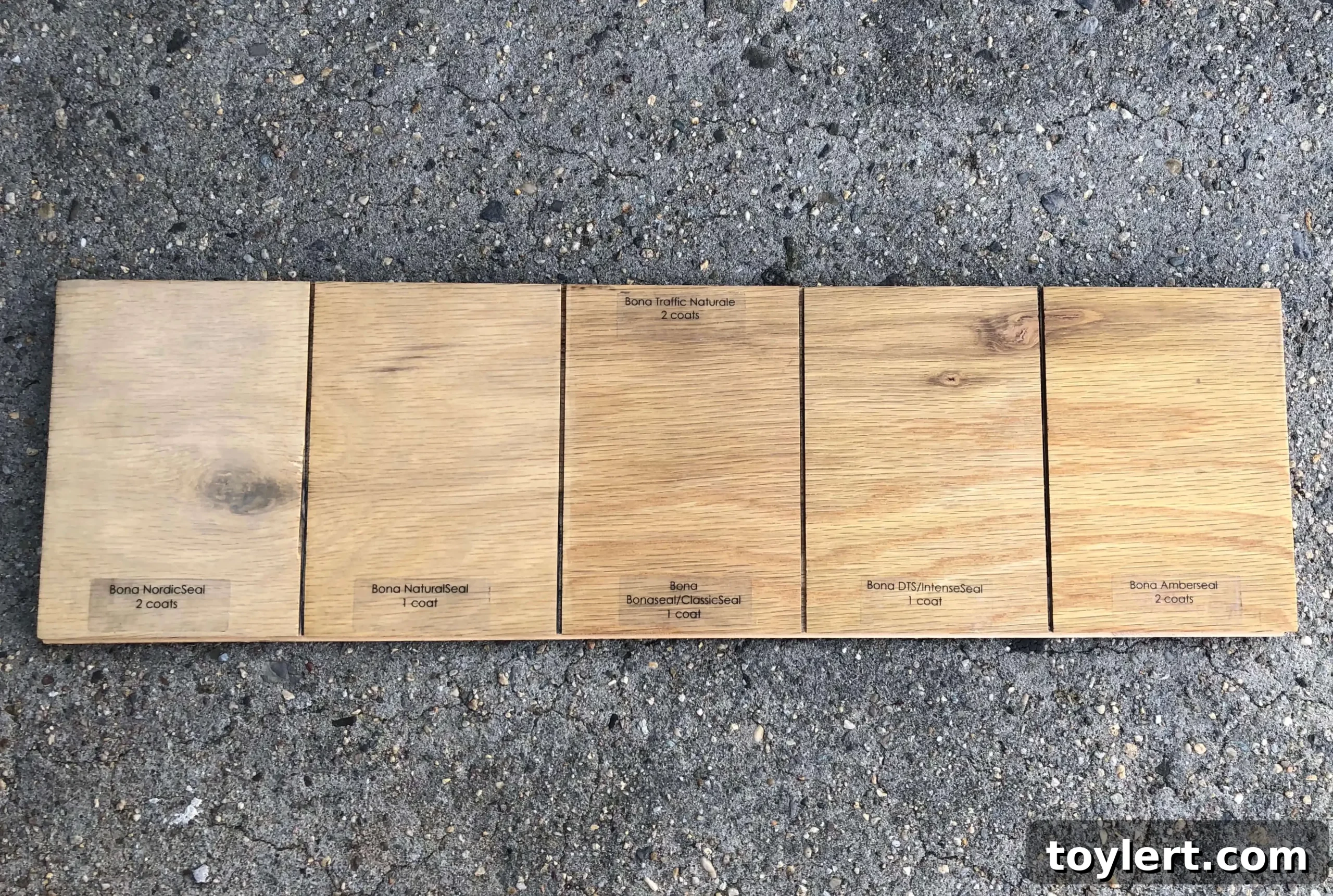
To achieve the light, airy, and contemporary aesthetic we envisioned, one that would brighten our brownstone while respecting its architectural heritage, we opted for a whitewash finish. This popular technique involves applying a translucent white stain or pigment that gently mutes the natural wood tones while allowing the intricate grain patterns to remain visible. The result is a soft, muted, and sophisticated look that instantly transforms a space, making it feel more expansive and inviting. A whitewash finish offers a refreshing departure from traditional darker stains, which can sometimes absorb light and make rooms feel smaller or heavier. For our brownstone, this choice provides a beautiful contrast to the property’s rich, historic details, such as original plasterwork and intricate moldings. It maximizes the presence of natural light, fostering a serene atmosphere, and creates a clean, versatile backdrop that harmonizes effortlessly with diverse furniture styles, from classic to minimalist.
The Strategic Choice of Plank Width: 3.25 Inches
The specific width of the planks – 3.25 inches – was another thoughtful decision. While broader planks (typically 5 inches or more) have gained favor for creating a more expansive and seamless visual flow, and narrower strips (around 2.25 inches) evoke a more traditional, classic aesthetic, the 3.25-inch width strikes an ideal balance. It’s wide enough to impart a contemporary feel without appearing overly trendy or out of place in a historic setting. This mid-range width offers a subtle yet significant impact on the perception of space, subtly enhancing the dimensions of each room while maintaining a sense of classic proportion that feels inherently appropriate for a brownstone. It creates a gentle rhythm across the floor, ensuring visual continuity throughout the house and contributing to a cohesive, well-balanced interior design that merges old-world charm with modern sensibilities.
The Undeniable Advantages of Solid Hardwood: A Long-Term Investment
Our commitment to solid white oak hardwood underscores a fundamental principle of our renovation: making enduring investments that stand the test of time. Unlike engineered wood, which comprises a thin veneer of real wood over a core of plywood or composite material, solid hardwood is a single, homogeneous piece of timber from top to bottom. This crucial difference grants solid hardwood a significant advantage in terms of longevity and refinishing potential. A solid hardwood floor can be sanded and refinished multiple times over its extensive lifespan – typically decades – effectively restoring its pristine appearance and erasing years of wear and tear. This remarkable capability offers unparalleled flexibility for future design updates or simply maintaining the floor’s immaculate condition. While the initial investment for solid hardwood may be higher, its unparalleled durability, restorative potential, and the generational value it adds to a home like our brownstone far outweigh any perceived short-term savings from alternative flooring options.
The Art of Installation: Ensuring Flawless Execution
The inherent beauty and promised longevity of any hardwood floor are not solely determined by the quality of the material itself but are profoundly dependent on the meticulousness and expertise of its installation. For our brownstone, entrusting this critical phase to skilled professionals was an absolute imperative. Proper installation is a multi-step process, beginning with the crucial preparation of the subfloor, ensuring it is perfectly level, clean, and dry to prevent future issues. The acclimation of the wood planks to the home’s ambient humidity and temperature levels is equally vital, mitigating the risk of future expansion, contraction, or buckling. Precise cutting, secure fastening, and ensuring tightly joined seams are the hallmarks of a professional job. This culminates in a floor that is not only visually stunning but also structurally sound, free from irritating squeaks or inconsistencies. A flawlessly installed floor maximizes the investment, allowing the elegant white oak with its soft whitewash finish to truly become the radiant centerpiece of our transformed living spaces.
Preserving Perfection: Essential Care and Maintenance for Whitewashed Oak
Once installed, preserving the pristine condition and unique character of our whitewashed white oak floors becomes a joyful, ongoing commitment. While hardwood is remarkably durable, a regimen of careful maintenance is essential to protect its distinctive finish and natural luster. Regular sweeping or vacuuming with a soft brush attachment is crucial to prevent abrasive dirt and grit from scratching the surface. We plan to utilize pH-neutral wood cleaners specifically formulated for finished hardwood, carefully avoiding harsh chemicals, steam mops, or excessive water, all of which can severely damage the wood or compromise its delicate whitewash finish. Thoughtful placement of area rugs in high-traffic zones and the application of felt pads beneath furniture legs will further safeguard the floors from daily wear and tear. With this dedicated care, these beautiful floors will continue to serve as a lasting source of pride and a shining testament to the thoughtful and meticulous renovation of our brownstone, gracing our home for many years to come.