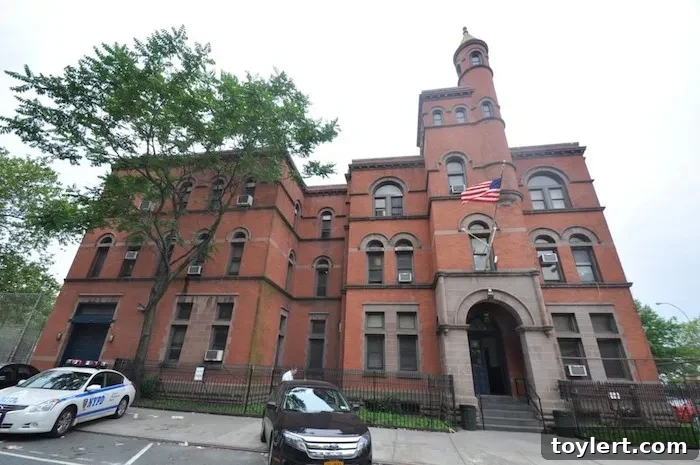
The Enduring Legacy: Clinton Hill’s 88th Precinct Station House Designated a Landmark
Clinton Hill, a vibrant and historic neighborhood in Brooklyn, boasts a rich tapestry of architectural gems that narrate the story of New York City’s past. Among these cherished structures, the former 88th Precinct Station House at 298 Classon Avenue stands out, recently receiving its much-deserved designation as a landmark by the New York City Landmarks Preservation Commission (LPC). This architectural marvel, a striking example of Romanesque Revival design, is more than just a building; it’s a testament to the neighborhood’s history, the evolution of civic architecture, and the enduring power of preservation.
A Beacon of History: The Landmark Designation
The decision by the Landmarks Preservation Commission to landmark the 88th Precinct Station House on 298 Classon Avenue was a significant moment for Clinton Hill and New York City’s preservation efforts. This venerable structure, over 120 years old at the time of its designation, has long been recognized for its distinctive appearance and historical significance. The LPC’s vote ensures that this piece of Brooklyn’s heritage will be protected for future generations, maintaining the unique character that defines Clinton Hill.
Landmark designation is not merely an honorary title; it’s a critical tool for safeguarding buildings with architectural, historical, or cultural importance. It means that any proposed exterior alterations to the building must be reviewed and approved by the LPC, preventing insensitive modifications or demolition. This process allows for a careful balance between preserving historical integrity and accommodating modern needs, ensuring that designated landmarks continue to enrich their communities.
Architectural Grandeur: The Romanesque Revival Style
Designed by the prolific architect George Ingram, the 88th Precinct Station House is a magnificent embodiment of the Romanesque Revival style, a popular architectural trend in the late 19th and early 20th centuries. Ingram, known for his contributions to Brooklyn’s civic architecture, particularly his designs for several police stations across the borough, left an indelible mark with this creation. His work often blended robust functionality with aesthetic appeal, making public buildings not just utilitarian but also symbols of civic pride and stability.
The Romanesque Revival style is characterized by its heavy masonry, round arches, and often rugged, textural surfaces, drawing inspiration from medieval European Romanesque architecture. Key features visible in the 88th Precinct building include:
- Robust Masonry: The building’s sturdy construction typically features rough-faced stone or brick, conveying a sense of permanence and strength.
- Distinctive Arches: Prominent round arches adorn windows, doorways, and other openings, a hallmark of the Romanesque influence.
- Asymmetrical Composition: Often, Romanesque Revival buildings feature an asymmetrical massing, creating visual interest and dynamic facades.
- Ornate Detailing: While robust, the style often includes intricate carved stone detailing, terra cotta elements, and decorative brickwork that add refined touches to the heavy forms.
- Tower Elements: Some designs incorporate tower-like features, which enhance the building’s stature and visibility within its urban context.
The 88th Precinct Station House masterfully displays these elements, contributing significantly to the architectural landscape of Classon Avenue and the surrounding Clinton Hill area. Its design speaks volumes about the era in which it was built, reflecting a period when civic structures were imbued with a sense of dignity and authority.
George Ingram: A Master of Civic Architecture
George Ingram was a significant figure in Brooklyn’s architectural history. His specialized expertise in designing police stations meant he understood the unique functional requirements of such buildings while simultaneously elevating them through sophisticated architectural design. Ingram’s precincts were more than mere functional spaces; they were imposing edifices that projected law and order, and served as focal points within their respective neighborhoods. His legacy is etched across Brooklyn, with each surviving precinct house a testament to his vision and skill. The 88th Precinct stands as one of his most well-preserved and celebrated works, showcasing his ability to blend utility with enduring beauty.
A Glimpse into Clinton Hill’s Past
The 88th Precinct Station House’s history is inextricably linked with that of Clinton Hill itself. Developed largely in the mid to late 19th century, Clinton Hill blossomed into a desirable residential area, characterized by its stately brownstones, grand mansions, and tree-lined streets. The establishment of a dedicated police precinct was crucial for maintaining order and providing essential services to a growing and prosperous community. The building would have been a hub of activity, witnessing the daily lives, struggles, and triumphs of Clinton Hill residents for over a century.
Police stations of this era were not just places of law enforcement; they were integral parts of the community infrastructure. They often housed administrative offices, holding cells, and living quarters for officers, acting as self-contained civic centers. The grandeur of structures like the 88th Precinct reflected a societal pride in public services and a desire for civic buildings to be as imposing and respectable as the institutions they represented.
Preservation for Posterity: Why it Matters
The landmark designation of the 88th Precinct Station House underscores a broader commitment to preserving New York City’s built environment. Such efforts are vital for several reasons:
- Cultural Identity: Historic buildings are tangible links to our past, providing context and identity to a neighborhood and its inhabitants. They tell stories of previous generations, their aspirations, and their way of life.
- Architectural Education: Preserved landmarks serve as open-air museums, educating us about different architectural styles, construction techniques, and the evolution of urban design.
- Economic Benefits: Historic districts and landmarked buildings can boost local economies by attracting tourism, stimulating property values, and encouraging local businesses.
- Sustainability: Reusing existing structures often has a lower environmental impact than new construction, promoting sustainable urban development.
- Community Pride: The preservation of beloved local landmarks fosters a sense of community pride and belonging, encouraging residents to invest in and protect their surroundings.
The designation of the 88th Precinct Station House is a victory for these principles, ensuring that this historic edifice will continue to stand as a proud symbol of Clinton Hill’s rich heritage.
Conclusion: An Enduring Symbol
The 88th Precinct Station House on Classon Avenue is more than just an old police station; it is a vital piece of Brooklyn’s historical and architectural fabric. Its landmark designation by the LPC is a recognition of its profound significance, safeguarding its Romanesque Revival grandeur and its narrative as a civic anchor in Clinton Hill. As the neighborhood continues to evolve, this magnificent building will stand as a constant reminder of its storied past, a testament to George Ingram’s architectural vision, and a proud emblem of New York City’s enduring commitment to preserving its irreplaceable heritage.
The story of the 88th Precinct Station House is a compelling chapter in the larger narrative of urban preservation, highlighting the crucial role that historic buildings play in shaping the identity and future of our communities.
For more information on the original consideration of this landmark designation, please refer to archived reports such as this: Landmarks Will Consider Clinton Hill’s 88th Precinct Station Tomorrow [Brownstoner]