Brooklyn: Uncovering History, One Building at a Time
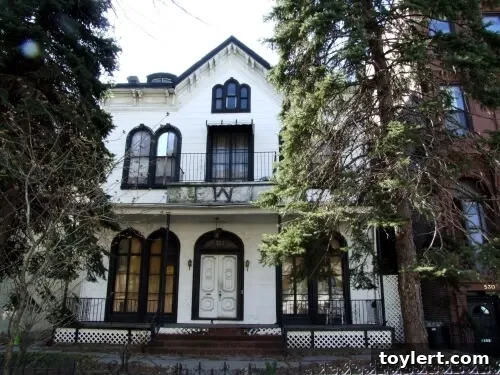
Discovering 532 Clinton Avenue: A Timeless Italianate Villa in Clinton Hill
Nestled within the historic grandeur of Clinton Hill, Brooklyn, stands 532 Clinton Avenue – a magnificent private residence that serves as a captivating testament to the borough’s rich architectural heritage. While many buildings whisper stories of bygone eras, this particular Italianate Villa boldly articulates the ambition and aesthetic sensibilities of mid-19th century Brooklyn. Its enduring presence on one of the neighborhood’s most prestigious streets invites us to delve into a past where health, prosperity, and architectural artistry converged.
- Property Type: Private Residence
- Address: 532 Clinton Avenue, Brooklyn, NY
- Cross Streets: Situated gracefully between Fulton Street and Atlantic Avenue
- Neighborhood: Clinton Hill
- Year Built: Circa 1850s
- Architectural Style: Distinguished Italianate Villa
- Architect: Unknown
- Landmarked Status: Not currently landmarked, yet undeniably worthy of recognition.
The Allure of the Italianate Style: A Mid-19th Century Masterpiece
The Italianate style, a dominant architectural trend in the United States from the 1840s to the 1880s, found its perfect expression in suburban villas like 532 Clinton Avenue. Characterized by its romantic charm and picturesque qualities, this style drew inspiration from 16th-century Italian Renaissance villas and farmhouses. For homeowners in rapidly expanding American cities like Brooklyn, an Italianate house offered a sophisticated blend of classical elegance and comfortable domesticity.
Typical features of an Italianate Villa, many of which are likely present at 532 Clinton Avenue, include a low-pitched roof, often nearly flat, with wide, projecting eaves supported by decorative brackets. These brackets are a hallmark of the style, adding intricate detailing and a sense of visual weight to the roofline. Tall, narrow windows, frequently arched or crowned with elaborate hoods, grace the façade, allowing ample natural light to flood the interiors. Often, these windows are arranged symmetrically, contributing to the building’s stately appearance.
Further enhancing its grandeur, an Italianate Villa might feature a prominent porch or veranda, offering a gracious transition from the interior to the exterior, perfect for enjoying the semi-rural setting that Clinton Hill once offered. Quoins, rusticated stone, or elaborate cornices could also adorn the exterior, underscoring the craftsmanship of the era. The choice of materials, typically brick or stucco, provided a canvas for the detailed ornamentation that defined the style. The “unknown architect” status is not uncommon for homes of this period; many were built by skilled local master builders following popular pattern books, reflecting a widespread appreciation for the Italianate aesthetic rather than the work of a single, famous designer.
Clinton Hill: A Historical Haven on Brooklyn’s Elevated Terrain
The very name “Clinton Hill” offers a clue to its geographical and historical significance. Indeed, the neighborhood is perched on a genuine hill, reaching one of Brooklyn’s highest elevations. This topographical advantage played a crucial role in its development as a desirable residential area, particularly in the mid-19th century when 532 Clinton Avenue was constructed. At a time when medical understanding was nascent, prevailing theories suggested that living on higher ground, away from the perceived “miasmas” or noxious vapors rising from lower, marshier areas (such as the waterfronts and developing industrial zones of Downtown Brooklyn), was essential for good health and well-being. This belief made elevated streets like Clinton Avenue exceptionally appealing to affluent families seeking a tranquil and healthy suburban retreat from the bustling, sometimes unsanitary, conditions of the burgeoning city.
Clinton Avenue itself became the crown jewel of the neighborhood, lined with magnificent mansions and stately homes, each vying to showcase the success and sophisticated taste of its owner. The street developed into a prestigious corridor, home to prominent merchants, industrialists, and professionals who sought to establish their residences amidst spacious lots and tree-lined avenues. This particular stretch of Clinton Avenue, nestled between Fulton Street and Atlantic Avenue, was strategically located, offering convenient access to burgeoning transportation routes while maintaining a secluded, residential feel.
The development of Clinton Hill during the 1850s coincided with Brooklyn’s explosive growth, transforming it from a collection of rural villages into a dynamic city in its own right, soon to be the third-largest city in America. Wealthy families, often relocating from Manhattan, sought out Brooklyn’s picturesque landscapes and nascent suburban communities. These newcomers brought with them a demand for sophisticated architecture, contributing to the rich tapestry of styles, including the popular Italianate, that defines the neighborhood today. Homes like 532 Clinton Avenue are not merely structures; they are tangible links to this transformative period in Brooklyn’s history, reflecting the aspirations and cultural trends of a thriving borough.
The Enduring Significance: Why 532 Clinton Avenue Deserves Landmarked Status
The assertion that 532 Clinton Avenue “should be landmarked” is not merely an opinion; it’s a recognition of its intrinsic historical and architectural value. Landmarking a building involves its designation by a municipal body, such as the New York City Landmarks Preservation Commission, recognizing its significant historical, architectural, or cultural importance. While the broader Clinton Hill Historic District already protects a vast number of architecturally significant properties, individual landmark status for a building like 532 Clinton Avenue would provide an additional layer of protection and acknowledgment.
Why is this particular Italianate Villa so deserving? Firstly, its remarkable preservation of the Italianate style from the 1850s makes it a rare and valuable example. Many buildings from this period have either been demolished, significantly altered beyond recognition, or poorly maintained. The integrity of 532 Clinton Avenue, to the extent it reflects its original design, offers an invaluable educational resource, allowing current and future generations to appreciate the craftsmanship and aesthetic principles of the era. Its architectural details, from the roofline to the window treatments, likely present a coherent and authentic representation of the style, making it a benchmark for understanding Brooklyn’s mid-19th century residential development.
Secondly, the house contributes significantly to the streetscape of Clinton Avenue, an already celebrated thoroughfare. Its presence enhances the visual narrative of the street, reinforcing the historic character that makes Clinton Hill so unique and desirable. Landmarking would ensure that any future modifications adhere to strict guidelines, preventing alterations that could compromise its historical accuracy or visual harmony within the district. This protection is vital for preserving the authentic look and feel of one of Brooklyn’s most cherished neighborhoods.
Furthermore, recognizing buildings like 532 Clinton Avenue underlines the importance of ordinary, yet architecturally significant, private residences in telling the broader story of urban development. Not every landmark needs to be a grand public building or the home of a famous figure; often, it is the collection of well-preserved private homes that truly illuminates the daily lives, societal values, and architectural tastes of a past era. By advocating for its landmarking, we champion the preservation of Brooklyn’s diverse architectural legacy, ensuring that these irreplaceable structures continue to inspire and inform us about the borough’s remarkable journey through time.
Preserving Brooklyn’s Architectural Jewels
In an ever-evolving city like Brooklyn, the preservation of historic architecture is paramount. Buildings like 532 Clinton Avenue are more than just bricks and mortar; they are living artifacts that chronicle the social, economic, and cultural transformations of an entire borough. This Italianate Villa, with its graceful proportions and rich history, stands as a beacon of Clinton Hill’s storied past, reminding us of a time when elegance and thoughtful design were central to home construction. As we walk the tree-lined streets of Clinton Hill, passing by this magnificent residence, we are invited to pause and appreciate the enduring beauty and historical depth that Brooklyn’s architecture continues to offer, one building at a time.