By Kirstyn Brendlen, Brooklyn Paper
Workers at Nitehawk Cinema Park Slope Vote to Unionize, Paving Way for Enhanced Worker Rights
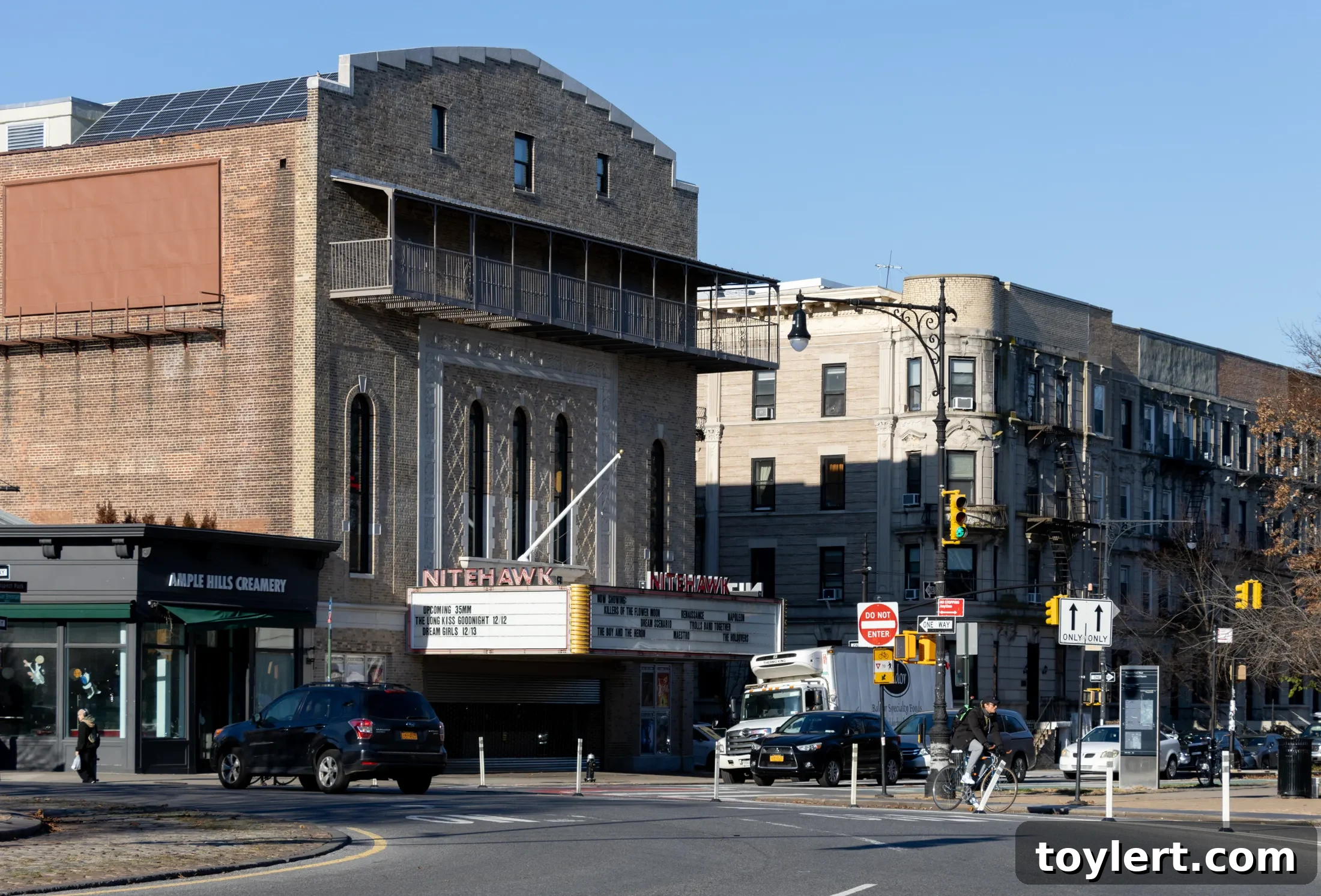
In a significant victory for local labor organizing, employees at Nitehawk Cinema’s Park Slope location, nestled across from the iconic Prospect Park, voted overwhelmingly to unionize following a two-day election held last weekend. This pivotal decision marks the culmination of a “clandestine” monthslong organizing campaign, underscoring a growing trend of workers in the service and entertainment industries advocating for better working conditions and fairer treatment.
The successful union drive by the dedicated staff of the beloved dine-in theater signals a new chapter for labor relations within the independent cinema sector in Brooklyn. Workers formally notified management last month of their intention to align with United Auto Workers (UAW) Local 2179. Their decision was driven by a range of pressing concerns, including allegations of unfair labor practices, the persistent challenge of unstable pay and scheduling, and unresolved safety issues within the workplace.
The Genesis of a Movement: A “Clandestine” Campaign for Change
The journey to unionization at Nitehawk Cinema Park Slope was far from an overnight development. What began as quiet conversations among colleagues evolved into a strategic, monthslong organizing effort described by participants as “clandestine.” This secrecy was often born out of necessity, as workers in many industries fear retaliation from management for discussing union formation. In the often-precarious landscape of the service industry, where jobs can be easily replaced, such fears are not unfounded.
Behind the scenes, workers meticulously built solidarity, educated their peers on the benefits of collective bargaining, and navigated the complex legal framework of labor law. The determination to improve their work environment ultimately transcended individual anxieties, fostering a collective spirit focused on securing dignity and equity. This period of discreet organizing allowed the workers to build a strong foundation of support before publicly announcing their intentions, a strategy that proved effective in achieving their desired outcome.
Addressing Core Grievances: Unfair Labor Practices and Unstable Conditions
The primary catalysts for the unionization effort at Nitehawk Cinema were deeply rooted in everyday workplace experiences. Workers specifically cited “unfair labor practices,” a broad term that often encompasses employer actions designed to interfere with, restrain, or coerce employees in the exercise of their rights to organize or bargain collectively. These practices can range from subtle intimidation tactics to more overt threats of termination or benefit reduction, all aimed at discouraging union activity.
Beyond the legal violations, the instability of pay and scheduling emerged as a critical concern. In many hourly wage jobs, unpredictable schedules can wreak havoc on employees’ personal lives, making it difficult to plan for childcare, pursue education, or manage basic financial responsibilities. Fluctuating hours often mean fluctuating income, plunging workers into financial insecurity despite being employed. For many at Nitehawk, the desire for predictable hours and a living wage became a central rallying cry, seeking stability that management had allegedly failed to provide.
Furthermore, safety concerns were a significant factor in the employees’ decision to organize. While the specific nature of these concerns was not detailed, issues in a dine-in cinema environment could range from inadequate training for emergency situations, insufficient staffing during busy periods leading to unsafe conditions, food handling protocols, or even dealing with difficult patrons without adequate support. A union provides a formal channel for addressing these crucial health and safety issues, ensuring that workers have a voice in creating a secure workplace.
United Auto Workers Local 2179: A New Ally in the Service Sector
The choice to affiliate with United Auto Workers (UAW) Local 2179 might seem unconventional for cinema employees, given the union’s traditional association with manufacturing and automotive industries. However, the UAW has increasingly expanded its reach beyond its namesake, demonstrating a growing commitment to organizing workers across various sectors, including higher education, non-profits, and increasingly, service and cultural institutions. This diversification reflects a broader strategy within the labor movement to address the evolving nature of work and to provide representation to a wider range of professions.
UAW Local 2179 brings to the table a wealth of experience in contract negotiation, legal expertise, and the power of a large, established labor organization. For the Nitehawk Cinema workers, partnering with such a prominent union offers robust support and resources as they move towards collective bargaining. It signifies that even in specialized, independent businesses, workers are finding powerful allies to champion their rights and improve their working conditions.
The Election and the Path Forward: Collective Bargaining
The two-day election, supervised by the National Labor Relations Board (NLRB), provided a democratic process for workers to cast their votes. The success of the union drive underscores the effectiveness of their organizing efforts and the broad consensus among employees for union representation. With the vote now certified, the next crucial step will be for Nitehawk Cinema management and UAW Local 2179 to enter into good-faith collective bargaining negotiations.
This phase is where the specific demands and concerns raised by the workers will be formally addressed through a legally binding contract. Key areas of negotiation will likely include wage increases, predictable scheduling practices, robust safety protocols, clear grievance procedures, and benefits such as healthcare and paid time off. The aim is to establish a transparent, equitable, and sustainable working environment that benefits both employees and, ultimately, the business by fostering a more stable and engaged workforce.
Broader Implications: A Catalyst for Change in Independent Cinema
The unionization of Nitehawk Cinema Park Slope is more than just a local news story; it reflects a burgeoning nationwide movement among service industry workers, particularly in cultural and entertainment venues. In the wake of economic uncertainties and the ongoing challenges posed by the pandemic, employees across various sectors are increasingly recognizing the power of collective action to secure fair wages, job security, and improved working conditions.
This outcome could serve as a powerful precedent for other independent cinemas and cultural institutions, not only in New York City but across the country. It sends a clear message that the “glamour” often associated with such workplaces does not preclude the need for fundamental worker protections and that employees are willing to organize to achieve them. The success at Nitehawk Cinema could inspire similar campaigns, encouraging more workers to stand up for their rights and challenge the status quo in industries where labor protections have historically been weak.
For the Park Slope community, the unionization may also resonate positively. A stable, fairly compensated workforce often translates to better service and a more positive community reputation for local businesses. Patrons who value ethical labor practices may view the newly unionized Nitehawk Cinema as a business that prioritizes its employees, reinforcing its status as a beloved neighborhood institution.
The Future of Work: Balancing Business Needs with Employee Well-being
As Nitehawk Cinema and UAW Local 2179 move into negotiations, the focus will be on crafting a contract that balances the operational needs of the business with the well-being and demands of its employees. A successful collective bargaining agreement will not only address the immediate concerns that fueled the union drive but also establish a framework for ongoing dialogue and dispute resolution, fostering a more collaborative and respectful labor-management relationship.
The Nitehawk Cinema unionization stands as a testament to the resilience and determination of workers seeking to create a better future for themselves and their colleagues. It highlights a critical moment in the ongoing evolution of labor rights, reminding us that every worker, regardless of industry, deserves a voice and the opportunity to thrive in their workplace. This development in Park Slope will undoubtedly be watched closely as a potential model for equitable labor practices in the cultural and entertainment sectors.