The Universal Hip Hop Parade for Social Justice: A Resounding Return to Bed-Stuy
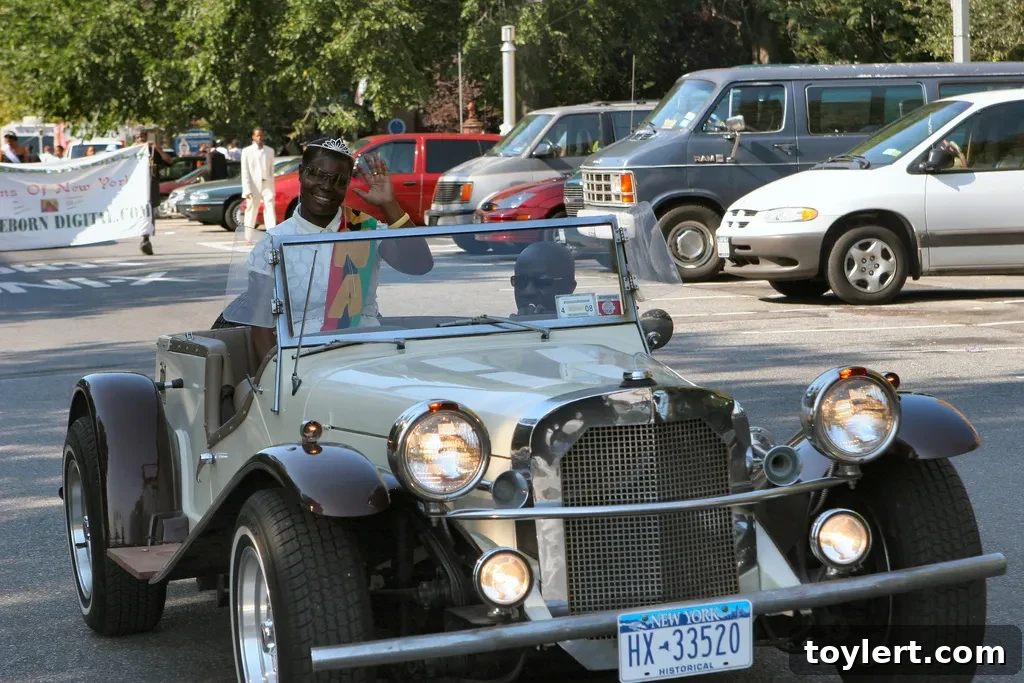
After a brief one-year hiatus, the highly anticipated Universal Hip Hop Parade for Social Justice is set to make its triumphant return to the vibrant streets of Bed-Stuy on August 15th. Marking its 14th year, this unique cultural event seamlessly blends the celebratory spirit of Marcus Garvey’s birthday with a powerful affirmation of hip hop’s enduring legacy as a force for positive change and community upliftment. Established in the year 2000 by a collective of visionary African American cultural and social activists, the parade has consistently championed a holistic view of traditional hip hop, encompassing its diverse artistic expressions alongside other profound forms of artistic and communal celebration within the rich tapestry of the African American community.
A Legacy Forged: The Origins and Enduring Mission
The genesis of the Universal Hip Hop Parade for Social Justice dates back to the turn of the millennium, born from the fervent desire of African American cultural and social activists to create a platform that not only honored the groundbreaking cultural movement of hip hop but also harnessed its inherent power for advocacy and societal progress. Recognizing hip hop’s origins in the struggles and triumphs of marginalized communities, these pioneers envisioned a parade that would transcend mere entertainment, becoming a vibrant, moving testament to resilience, creativity, and the relentless pursuit of justice. For over a decade, the parade has served as a critical nexus where artistic expression meets social consciousness, providing a vital space for dialogue, celebration, and empowerment.
The choice of August 15th for this annual spectacle is deeply symbolic, aligning with the birthday of Marcus Garvey, a towering figure in Black history whose philosophies of self-reliance, unity, and economic independence continue to resonate deeply. By connecting the energy of hip hop with Garvey’s profound legacy, the parade reinforces a powerful narrative: that cultural expression is an inseparable component of liberation and empowerment. It’s a day when the beats and rhymes of hip hop echo the calls for justice and self-determination that Garvey championed, bridging generations and movements under a unified banner.
The Vibrant Spectacle: A Fusion of Sound, Movement, and Art
Each year, the Universal Hip Hop Parade for Social Justice transforms the historic avenues of Bedford-Stuyvesant into a pulsating canvas of sound, color, and movement. This year promises an even more spectacular display, featuring the rhythmic enchantment of steel pan drum bands whose melodious sounds fill the air, creating an infectious Caribbean-inspired soundtrack. These vibrant ensembles are joined by robust marching bands, including the beloved P.S. 137’s The Soul Tigers, whose synchronized steps and powerful brass instruments add a layer of grandeur and communal pride to the procession. As co-founder Jeffery Kazembe Batts shared with Bed Stuy’s Community Board 3 in June, the commitment to showcasing diverse musical talent remains a cornerstone of the event.
But the parade’s allure extends far beyond its impressive musical acts. Past iterations have celebrated the full spectrum of community engagement and artistic innovation. Imagine the rumble of motorcycle and van clubs, their polished chrome glinting under the summer sun, symbolizing collective strength and brotherhood. Towering stilt walkers, adorned in magnificent costumes, glide above the crowds, their graceful movements adding a whimsical, almost mythical quality to the procession. The streets become an open-air stage for dynamic break dancers, whose gravity-defying moves and intricate footwork captivate onlookers, illustrating the raw energy and athletic artistry that define hip hop dance culture. And, of course, the parade wouldn’t be complete without stunning graffiti displays, transforming temporary canvases into vibrant murals that tell stories of struggle, hope, and cultural identity, paying homage to hip hop’s visual roots.
Hip Hop: A Pillar of Social Justice and Cultural Identity
From its nascent stages in the Bronx, hip hop has always been more than just a musical genre; it is a profound cultural movement, a voice for the marginalized, and a powerful medium for social commentary and advocacy. The Universal Hip Hop Parade for Social Justice intentionally highlights this intrinsic link, asserting hip hop’s role as a potent tool for raising awareness, challenging systemic inequities, and mobilizing communities towards collective action. The lyrics, the beats, the art, and the dance forms all serve as historical records and contemporary calls to action, articulating the experiences and aspirations of African American and other diasporic communities.
The parade serves as a living museum, demonstrating how artists wield their craft to articulate grievances, celebrate triumphs, and foster a sense of shared identity and purpose. It underscores the importance of cultural literacy and historical awareness, especially for younger generations, reminding them that their artistic expressions are direct descendants of a rich heritage of resistance and resilience. By showcasing both traditional and evolving forms of hip hop, the event ensures that the culture remains dynamic, relevant, and connected to its foundational principles of justice and empowerment.
Honoring Marcus Garvey: A Visionary for Empowerment
The decision to hold the Universal Hip Hop Parade for Social Justice on Marcus Garvey’s birthday is a deliberate and deeply meaningful one, weaving together two powerful threads of African diaspora history and activism. Marcus Mosiah Garvey, born in Jamaica in 1887, was a towering figure whose Pan-Africanist philosophy profoundly influenced Black liberation movements globally. His Universal Negro Improvement Association and African Communities League (UNIA-ACL) advocated for Black self-reliance, economic independence, and the unification of all people of African descent.
Garvey’s principles resonate strongly with the ethos of hip hop. Both movements emerged from communities seeking dignity, self-determination, and a platform to voice their experiences against systemic oppression. The parade celebrates this synergy, demonstrating how cultural expression—whether through Garvey’s newspapers and speeches or through hip hop’s music and art—can be a powerful catalyst for collective consciousness and social change. It’s a day to reflect on Garvey’s vision of a strong, unified, and proud Black identity, and to see how that vision continues to manifest through contemporary cultural forms like hip hop, inspiring new generations to carry the torch of justice forward.
Community Heartbeat: Impact on Bed-Stuy and Beyond
More than just an annual spectacle, the Universal Hip Hop Parade for Social Justice is a vital pulse in the heart of Bed-Stuy. It’s an event that strengthens community bonds, fostering a sense of shared heritage and collective responsibility. Local businesses thrive on the increased foot traffic, and community organizations find a powerful platform to share their initiatives and connect with residents. The parade serves as a powerful reminder of Bed-Stuy’s rich history as a cradle of African American culture and activism, reaffirming its identity as a hub for artistic innovation and social progress.
Crucially, the parade plays an indispensable role in youth empowerment. By showcasing positive role models, celebrating artistic talent, and providing an outlet for creative expression, it inspires young people to embrace their heritage, find their voice, and channel their energies into constructive endeavors. The participation of groups like P.S. 137’s The Soul Tigers exemplifies this commitment, demonstrating how early engagement in cultural activities can build confidence, discipline, and a deep appreciation for community and culture. The event cultivates a sense of pride and belonging, encouraging young participants to see themselves as torchbearers of a powerful legacy, equipped to contribute to the ongoing struggle for social justice.
Looking Ahead: The Future of the Parade and How to Get Involved
As the Universal Hip Hop Parade for Social Justice continues its journey, its organizers, led by passionate co-founders like Jeffery Kazembe Batts, remain committed to expanding its reach and deepening its impact. The vision extends beyond a single day of celebration, aiming to foster year-round engagement through educational programs, workshops, and community dialogues that explore the intersection of hip hop, social justice, and African American history. The goal is to solidify the parade’s position as not just an annual event, but as a crucial cultural institution that continuously educates, inspires, and mobilizes.
The success and vibrancy of the parade rely heavily on community support and participation. Whether you’re an artist eager to perform, a community group looking to march, a local business wanting to sponsor, or simply an individual who believes in the power of culture for change, there are numerous ways to get involved. Attending the parade on August 15th is, of course, the most direct way to experience its unique energy and show solidarity. By joining the throngs of spectators and participants, you become part of a living legacy, celebrating culture, honoring history, and marching for a more just and equitable future. This parade isn’t just an event; it’s a movement, and everyone is invited to be a part of its unfolding story.
The return of the Universal Hip Hop Parade for Social Justice to Bed-Stuy this August 15th is more than just a calendar event; it’s a cultural imperative. It stands as a vibrant testament to the enduring power of hip hop and the profound legacy of Marcus Garvey, intertwining them in a powerful display of community spirit, artistic expression, and an unwavering commitment to social justice. It is a celebration, a protest, and a beacon of hope, reminding us all of the strength found in unity and the continuous journey towards a better world through culture and activism.