Brooklyn’s Pulse: Navigating Urban Transformation and Community Voices
Brooklyn, a borough renowned for its dynamic neighborhoods, rich cultural tapestry, and relentless pace of change, continues to be a focal point for significant urban developments, community debates, and groundbreaking initiatives. From the northern tip of Greenpoint to the historic streets of Vinegar Hill, local news outlets frequently report on projects and discussions that reflect the borough’s ongoing evolution. This comprehensive overview delves into recent headlines, offering deeper insights into the environmental, economic, social, and cultural forces shaping Brooklyn’s future, highlighting how these developments impact residents and the wider urban landscape.
Embracing Green Initiatives and Sustainable Urban Living
The commitment to environmental sustainability and the creation of accessible green spaces remains a cornerstone of Brooklyn’s urban development strategy. Communities across the borough are actively pursuing projects that enhance ecological health, promote environmental education, and provide vital amenities for residents, demonstrating a collective effort towards a greener future.
The Greenpoint Library and Environmental Education Center: An Eco-Haven Emerges
At Brooklyn’s northern tip, the Greenpoint Library and its Environmental Education Center stands as a testament to innovative sustainable design and community-focused infrastructure. This facility is more than just a place for books; it’s envisioned as a vibrant hub for environmental learning, advocacy, and community engagement. Designed with eco-conscious principles, the center incorporates features like a green roof, rainwater harvesting systems, and energy-efficient building materials, aiming to serve as a living classroom. Its presence underscores a broader movement within Brooklyn to integrate ecological awareness into public spaces, fostering a deeper connection between residents and their natural environment. Such projects are crucial for educating future generations about climate change, local ecosystems, and the importance of civic participation in environmental stewardship, transforming neighborhoods into more resilient and informed communities prepared for environmental challenges.
Protecting Urban Flora: The Mystery of Huron Street’s Damaged Trees
The health of Brooklyn’s urban canopy is a perpetual concern for residents and environmentalists alike. Recent reports from Greenpointers highlighted a troubling incident on Huron Street, where trees were mysteriously damaged and cut down. This event sparked outrage and concern within the community, drawing attention to the vulnerability of urban trees and the critical role they play in a dense metropolitan area. Urban trees are not merely aesthetic enhancements; they are vital components of the city’s infrastructure, providing essential benefits such as shade, improved air quality, support for local wildlife, and mitigation of stormwater runoff. Incidents of vandalism or unauthorized removal underscore the urgent need for stricter protections and increased community vigilance. Local arborists and advocacy groups often work tirelessly to plant and maintain these invaluable green assets, recognizing their immense value in creating a healthier, more livable urban environment for everyone.
Community Infrastructure and Public Space Enhancements
Investments in community infrastructure and the strategic enhancement of public spaces are continuously transforming Brooklyn’s neighborhoods, addressing long-standing needs and adapting to evolving urban lifestyles. These projects aim to improve the quality of life for residents by providing better recreational facilities, safer transportation options, and more accessible communal areas.
Bushwick Celebrates Funding for Long-Debated Dog Run
For years, residents of Bushwick have advocated for dedicated spaces for their canine companions, recognizing the importance of pet-friendly amenities in a bustling urban environment. The good news recently emerged that Bushwick secured $1.2 million in capital funding for a long-debated dog run, thanks to the dedicated efforts of Council Member Sandy Nurse. This significant allocation marks a substantial victory for local pet owners and highlights the increasing demand for accessible, well-maintained recreational facilities in dense urban settings. Dog runs serve as crucial social hubs, not just for pets to exercise and socialize, but also for their owners, fostering a sense of community and providing essential amenities for urban living. The journey from proposal to funding often involves extensive community organizing, public hearings, and dedicated advocacy, reflecting the democratic process at play in shaping the borough’s public assets and addressing specific neighborhood needs.
Navigating Street Redesigns: The McGuinness Blvd Bike Lane Debate
Urban planning often involves complex negotiations to balance the needs of various stakeholders and modes of transportation. The redesign of McGuinness Boulevard, particularly the contentious bike lane proposal, has been a prime example of this challenge. Streetsblog reported that the Department of Transportation (DOT) appeased redesign opponents with a new, scaled-back plan for the bike lane. This situation reflects the broader debate in New York City concerning street safety, pedestrian access, cycling infrastructure, and the efficient flow of commercial traffic. While proponents advocate for safer streets for cyclists and pedestrians, local businesses and some residents often raise concerns about parking availability, potential traffic congestion, and impacts on commerce. The compromise plan on McGuinness Boulevard signifies an attempt to find common ground, acknowledging the diverse needs of a bustling urban corridor and the ongoing effort to create more equitable and multimodal transportation networks across the city, aiming for solutions that serve the widest possible segment of the community.
The Evolving Landscape of Brooklyn’s Economy and Businesses
Brooklyn’s economic landscape is a dynamic blend of burgeoning industries, resilient small businesses, and a constantly shifting real estate market, all contributing to its unique character and vitality. The borough’s economy reflects both the opportunities and the inherent challenges of operating within one of the world’s most competitive urban environments.
A Struggle for Survival: Mirror Tea & Sake House in Gowanus
The challenges faced by local businesses in New York City are often severe, with many establishments battling to remain viable amidst rising operational costs, evolving consumer habits, and intense competition. The Brooklyn Paper highlighted the plight of Mirror Tea & Sake House in Gowanus, which is struggling to stay afloat. This story is a poignant reminder of the fragility of independent ventures that contribute significantly to the cultural fabric and local economy of neighborhoods. Gowanus, a rapidly transforming area due to rezoning and new developments, presents both opportunities and formidable obstacles for existing businesses trying to maintain their foothold. Community support, innovative business models, and adaptive strategies become paramount for survival. The success of these unique establishments is not just economic; it’s about preserving the distinct character and diversity that makes Brooklyn so appealing to both residents and visitors.
NYC’s Outdoor Dining Regulations Face Crucial Council Vote
The post-pandemic surge in outdoor dining reshaped New York City’s streetscape, offering a vital lifeline to restaurants facing indoor capacity restrictions and providing a novel dining experience for city dwellers. However, the temporary emergency measures soon led to extensive debates about the implementation of permanent regulations. Gothamist reported that new outdoor dining regulations could face a City Council vote, indicating a critical juncture for the program. This legislative effort aims to strike a delicate balance between supporting the hospitality industry, which benefits immensely from outdoor seating, and addressing concerns from residents regarding noise, sidewalk clutter, accessibility for pedestrians, and the overall aesthetic impact on neighborhoods. The outcome of such a vote has significant implications for thousands of restaurants, potentially determining the future aesthetic and functionality of public spaces across all five boroughs, including Brooklyn’s bustling dining districts. The debate underscores the delicate balance required in urban policy-making to accommodate commercial vitality while safeguarding residential quality of life and public access.
Brooklyn’s Real Estate Market: Listings and Contracts Fall to Near Winter Lows
The real estate market is often a reliable bellwether for the broader economy, reflecting investor confidence and consumer spending patterns. The Real Deal reported a significant trend: Manhattan and Brooklyn listings and contracts recently fell to near winter lows. This downturn signals potential shifts in buyer confidence, likely influenced by factors such as rising interest rates, broader economic uncertainties, or typical seasonal slowdowns. For Brooklyn, a borough that has seen relentless demand and escalating property prices for years, such a slowdown could have a ripple effect, impacting current homeowners, prospective buyers, and real estate developers alike. Understanding these market fluctuations is critical for anyone invested in the borough’s economic health, as they can influence everything from rental costs and affordability to job growth in construction and related industries. Analysts continue to monitor these trends closely, watching for signs of recovery or further adjustments in the highly competitive New York City property market, always seeking to predict its next trajectory.
Urban Development and Reshaping Neighborhoods
Brooklyn’s skyline and streetscape are in constant flux, with ambitious development projects and significant policy decisions continuously reshaping its various neighborhoods. These transformations often bring both promise and controversy, sparking community discussions about growth, preservation, and the future identity of the borough.
Gowanus Rezoning Progresses: Are the Sewers Ready?
The highly anticipated Gowanus rezoning continues to move forward, yet persistent concerns linger regarding the readiness of its aging infrastructure, particularly the sewer system. City Limits brought this critical question to the forefront of public discussion. The rezoning promises a significant influx of new residential units and commercial spaces to an area historically known for its industrial past and environmental challenges, most notably the Gowanus Canal Superfund site. The adequacy of existing infrastructure to handle increased population density and waste management is a major point of contention for environmental groups and long-time residents. This debate highlights the complex interplay between urban development, environmental protection, and public health, emphasizing the necessity of integrated planning that ensures sustainable growth and safeguards natural resources against the immense pressures of urbanization, especially in environmentally sensitive areas.
Vinegar Hill’s Growth: 304 Water Street Expansion Tops Out
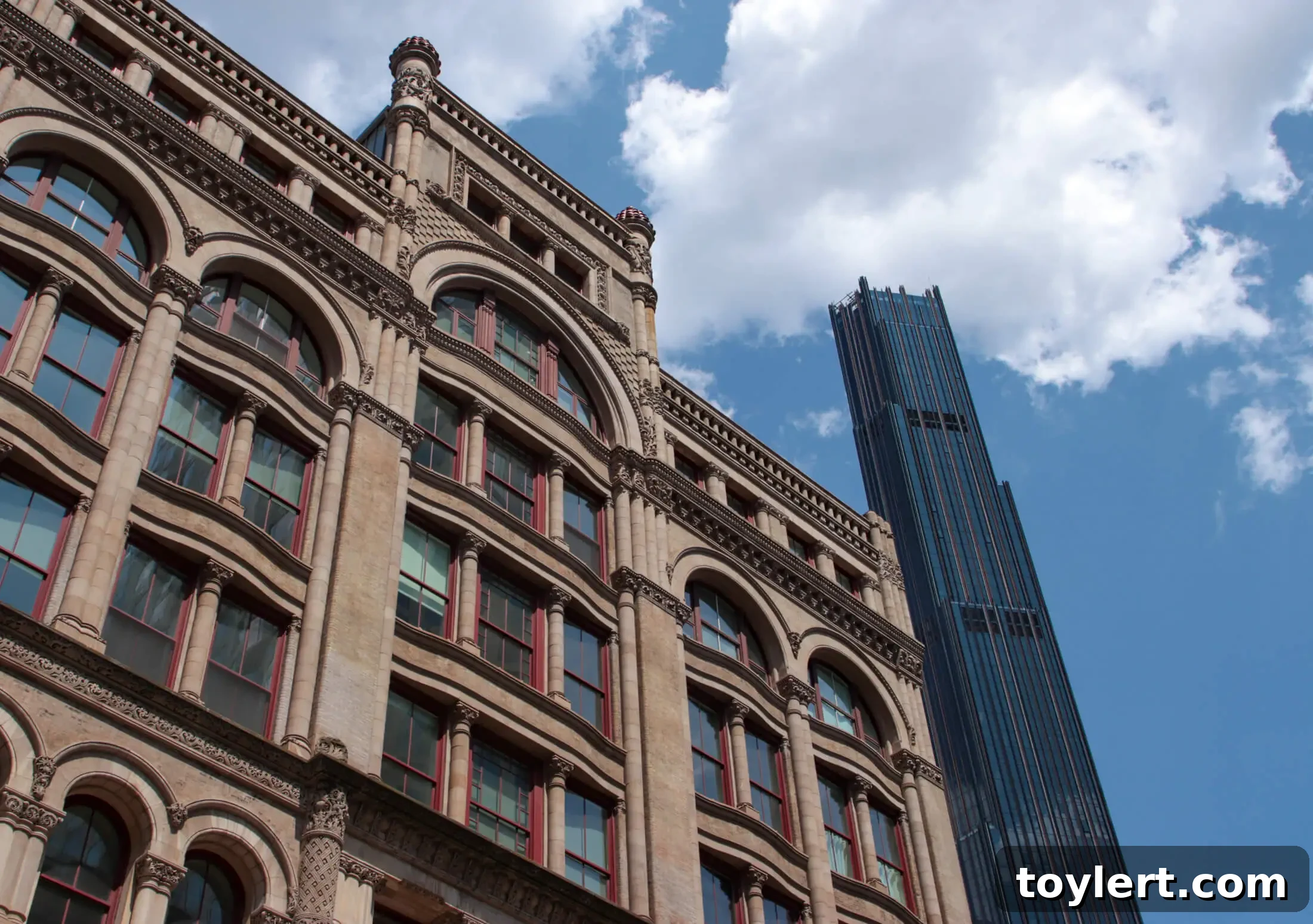
Vinegar Hill, a charming and historically rich neighborhood tucked between Dumbo and the Brooklyn Navy Yard, is also experiencing its share of significant development. New York YIMBY reported that the expansion of 304 Water Street has topped out, marking a significant construction milestone. Topping out ceremonies signify that a building has reached its maximum height, bringing it closer to completion. This expansion is indicative of the ongoing transformation within Vinegar Hill, bringing new residential or mixed-use spaces to a coveted part of the borough. Such projects contribute to the evolving character of Brooklyn’s waterfront neighborhoods, attracting new residents and businesses while integrating modern architecture into historic streetscapes. The careful balance between preserving the unique neighborhood character and accommodating necessary growth remains a key consideration for developers and city planners striving for harmonious urban evolution.
What the Builder Built: A Reflection on Urban Innovation (Dan Doctoroff)
Beyond individual projects, the broader philosophy of urban development is continually being shaped by visionary leaders and ambitious initiatives. Curbed’s piece, “What the Builder Built,” offers a reflection on the legacy of figures like Dan Doctoroff and initiatives like Sidewalk Labs. This article explores the ambitious, sometimes controversial, endeavors to leverage technology and innovative design to create “smart cities” or fundamentally transform urban areas. Such discussions are particularly pertinent to Brooklyn, a borough often at the forefront of experimental urban living and technological integration. It raises profound questions about the delicate balance between technological advancement, immediate community needs, privacy concerns, and ensuring equitable development. Understanding these overarching philosophies helps contextualize the myriad smaller projects and local policies that cumulatively define the future trajectory of New York City and its constituent boroughs, shaping how we live and interact with our urban environments.
Addressing Social Challenges and Celebrating Culture
Brooklyn is not just about buildings and infrastructure; it’s also about its people, their challenges, their triumphs, and the rich cultural expressions that define the borough. Recent events highlight both the pressing social issues facing the city and the enduring power of art and community to uplift and unite.
Migrant Tent Shelters: A Contentious Proposal for Central and Prospect Parks
New York City is currently grappling with a humanitarian crisis, as a significant influx of asylum seekers continues to strain its resources and emergency housing capabilities. A recent report by amNY sparked considerable debate, suggesting that migrant tent shelters could potentially be established in Central and Prospect Parks. This proposal immediately raised concerns among park advocates, environmentalists, and local residents about the use of vital public green spaces for emergency housing. While acknowledging the urgent humanitarian need to shelter asylum seekers, the discussion underscores the severe pressure on city resources and the difficult choices facing the administration. The debate highlights the tension between immediate humanitarian imperatives and the preservation of public parks, which serve as essential recreational, ecological, and psychological assets for millions of New Yorkers, emphasizing the complex social challenges inherent in a global city facing unprecedented circumstances.
Celebrating a Legend: Biggie Smalls Sculpture Unveiled in Downtown Brooklyn
Culture and art play a pivotal role in shaping Brooklyn’s identity and celebrating its diverse heritage. Downtown Brooklyn recently celebrated a significant cultural milestone with the unveiling of a Biggie Smalls sculpture in Cadman Plaza. This public art piece pays tribute to Christopher Wallace, also known as The Notorious B.I.G., a legendary hip-hop artist whose roots are deeply embedded in Brooklyn, specifically the Bedford-Stuyvesant neighborhood. The sculpture serves as a powerful symbol of local pride, artistic recognition, and the enduring legacy of a cultural icon who rose from the streets of the borough to achieve global fame. Such installations not only beautify public spaces but also commemorate significant figures, inspire future generations, and reinforce the borough’s reputation as a birthplace of influential music and art. It highlights how Brooklyn honors its past while continually fostering new creative expressions that resonate deeply with its community.
Conclusion: A Borough in Constant Motion
Brooklyn’s recent news landscape paints a vivid picture of a borough in constant motion, navigating the complexities of growth, diligently preserving its unique character, and addressing the multifaceted needs of its diverse population. From groundbreaking environmental education centers and the protection of urban trees to the persistent struggles of small businesses and the complex challenges of migrant housing, each story reflects a critical aspect of urban life that shapes the daily experiences of millions. The ongoing debates surrounding infrastructure readiness, neighborhood rezoning, and public space utilization underscore the dynamic interplay between policy decisions, passionate community advocacy, and the relentless march of urban development.
As Brooklyn continues its journey of transformation, the collective voices of its residents, the entrepreneurial spirit of its businesses, and the dedicated leadership of its civic figures will undoubtedly guide its future trajectory. These headlines are more than just reports; they are snapshots of an evolving narrative, highlighting the borough’s resilience, its remarkable capacity for innovation, and its unwavering commitment to fostering a vibrant, sustainable, and culturally rich environment for all who call it home. The pulse of Brooklyn beats strong, a testament to its enduring spirit and its role as a leading innovator in the modern urban experience, constantly adapting and redefining what it means to be a global city.
Further Reading & Original Sources
- The Greenpoint Library and Its Environmental Education Center [Brooklyn Eagle]
- For Gowanus’ Sake: Mirror Tea & Sake House Struggling to Stay Afloat [Brooklyn Paper]
- Migrant Tent Shelters Could Come to Central, Prospect Parks: Report [amNY]
- Trees Mysteriously Damaged, Cut Down on Huron Street [Greenpointers]
- Bushwick Gets $1.2M for Long-Debated Dog Run from Sandy Nurse [BK Reader]
- As Gowanus Rezoning Moves Ahead, Are the Sewers Ready? [City Limits]
- DOT Appeases Redesign Opponents With New McGuinness Plan [Streetsblog]
- Outdoor Dining Regulations Could Face Council Vote This Week [Gothamist]
- Biggie Smalls Sculpture Unveiled in Downtown Brooklyn’s Cadman Plaza [ABC7NY]
- What the Builder Built [Curbed]
- Manhattan and Brooklyn Listings, Contracts Fall to Near Winter Lows [The Real Deal]
- 304 Water Street’s Expansion Tops Out in Vinegar Hill [New York YIMBY]