Step back in time and imagine yourself strolling along Bergen Street in North Crown Heights, Brooklyn, where architectural grandeur meets historical significance. Here stands a magnificent row of seven Romanesque Revival townhouses, specifically at 1187-1199 Bergen Street, inviting onlookers to admire their intricate details and imposing presence. Designed around 1894 by the prolific architect Albert E. White for the esteemed developer John A. Bliss, these structures are not merely buildings; they are testaments to an era of burgeoning urban development and sophisticated design. Both White and Bliss were instrumental figures in shaping the distinctive character of this vibrant section of Brooklyn, leaving an indelible mark that resonates to this day.
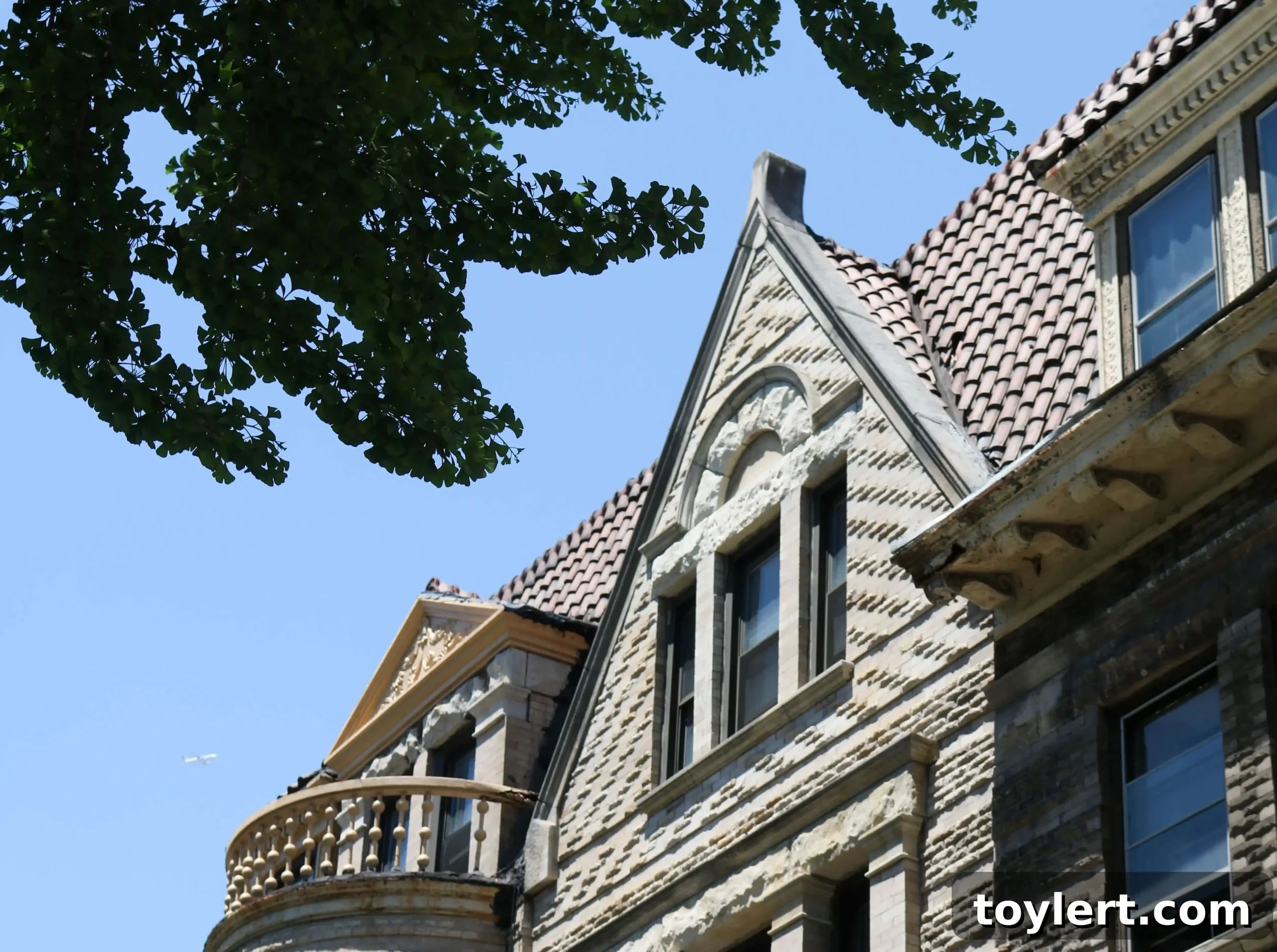
The moment one encounters these residences, the commanding rough-faced limestone facade immediately captures attention. This material choice is a hallmark of the Romanesque Revival style, offering a sense of strength, durability, and a raw, organic beauty that contrasts with the more refined surfaces often seen in other architectural movements of the period. Each townhouse, while part of a cohesive row, possesses unique flourishes that contribute to the overall architectural symphony, creating a visually rich and engaging streetscape.
A Glimpse into Romanesque Revival Architecture in Brooklyn
The Romanesque Revival style, which experienced its heyday in the late 19th century, drew inspiration from the medieval Romanesque architecture of Europe. It is characterized by its robust, monumental qualities, often featuring heavy masonry, round arches, and decorative stonework. Architects of this period embraced the style for its ability to convey a sense of permanence, grandeur, and historical gravitas, perfectly aligning with the ambitions of a rapidly expanding city like New York. The Bergen Street rowhouses exemplify these characteristics beautifully, showcasing the style’s enduring appeal.
Albert E. White, a visionary architect of his time, skillfully employed these stylistic elements across the entire row of seven houses. He meticulously repeated design motifs, such as the distinctive window treatments and carved stone details, to create a harmonious and unified aesthetic. One of the most striking unifying features is the continuous red tile roof, which stretches across all seven residences. This choice not only adds a vibrant splash of color but also creates a visual rhythm that ties the individual homes together as a single, grand architectural statement. Pierced with elegant gables, the roofline adds another layer of complexity and visual interest, contributing to the overall picturesque quality of the ensemble.
The Vision of Albert E. White and John A. Bliss
Albert E. White was a prominent architect known for his contributions to the urban fabric of Brooklyn. His designs often blended historical reverence with an understanding of modern living, creating homes that were both aesthetically pleasing and highly functional. His work on Bergen Street stands as a prime example of his mastery, demonstrating his ability to conceive and execute large-scale residential projects that possess both individual charm and collective cohesion. White’s designs, including these Bergen Street gems, are highly regarded for their architectural integrity and their contribution to Brooklyn’s rich built heritage.
Collaborating with White was John A. Bliss, a developer whose influence in North Crown Heights cannot be overstated. Bliss had a keen eye for prime locations and a clear vision for creating desirable residential communities. His commitment to quality, evident in his partnership with an architect of White’s caliber, ensured that the homes constructed under his aegis were not only beautiful but also built to last. The synergy between White’s architectural brilliance and Bliss’s developmental acumen resulted in properties that stood out, attracting residents who appreciated fine craftsmanship and thoughtful design.
The decision to employ the Romanesque Revival style for these rowhouses was a deliberate one, reflecting the tastes and aspirations of the late 19th-century middle and upper classes. These homes were designed to impress, offering spacious interiors, elaborate detailing, and a sense of old-world charm blended with contemporary comforts. The “substantial stoop” mentioned earlier is more than just an entry point; it’s a grand approach, a transitional space that elevates the home from the street, adding to its imposing facade and providing a dignified arrival experience for residents and guests alike.
Preserving Brooklyn’s Architectural Heritage: The Crown Heights North Historic District
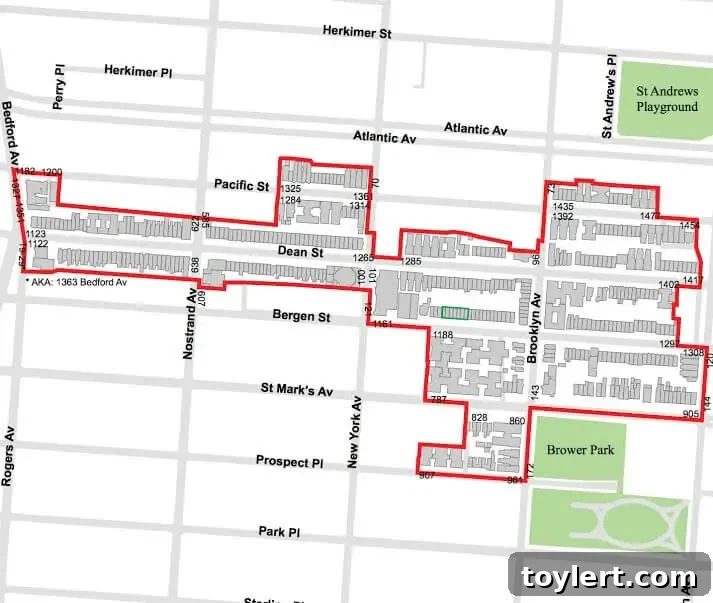
The historical and architectural significance of 1187-1199 Bergen Street has not gone unnoticed. These magnificent houses, alongside many other exemplary structures designed by Albert E. White and other notable architects of the era, are officially recognized and protected within Phase 1 of the Crown Heights North Historic District. This designation is crucial for preserving the unique character and historical integrity of the neighborhood. Historic districts are established to safeguard areas with special architectural, historical, or cultural value, ensuring that future developments respect and complement the existing urban fabric.
The inclusion of these Bergen Street rowhouses in Phase 1 of the district underscores their exceptional importance to the architectural narrative of Crown Heights. It means that any exterior alterations or demolitions must undergo rigorous review by the Landmarks Preservation Commission (LPC), a body dedicated to protecting New York City’s architectural heritage. This oversight ensures that the original design intent and material integrity of these valuable buildings are maintained for generations to come, allowing future residents and visitors to appreciate the craftsmanship and vision that went into their creation more than a century ago.
The Enduring Legacy of North Crown Heights
North Crown Heights, with its tree-lined streets and impressive collection of brownstones and rowhouses, remains one of Brooklyn’s most architecturally significant neighborhoods. Its development in the late 19th and early 20th centuries transformed it from agricultural land into a desirable residential enclave for the city’s burgeoning middle and upper classes. The foresight of developers like John A. Bliss and the talent of architects like Albert E. White were instrumental in creating a cohesive and aesthetically pleasing environment that continues to charm residents and visitors today.
These Romanesque Revival rowhouses on Bergen Street are more than just homes; they are living museums, each brick and stone telling a story of Brooklyn’s past. They contribute immeasurably to the neighborhood’s identity, providing a tangible link to its rich history. Walking past these magnificent structures, one can almost hear the echoes of a bygone era, imagining the lives lived within their walls and the events that unfolded on their stoops. Their continued preservation is not just about safeguarding buildings; it’s about honoring the legacy of craftsmanship, design, and community that defines Crown Heights.
In a rapidly evolving urban landscape, the existence of such well-preserved architectural treasures is a source of immense pride and a reminder of the importance of historic preservation. The Bergen Street rowhouses stand as a beacon of Romanesque Revival architecture, a testament to the collaborative spirit of architect and developer, and a vital component of the vibrant tapestry that is North Crown Heights. They continue to inspire awe and admiration, ensuring that the rich architectural heritage of Brooklyn remains a cherished part of its future.