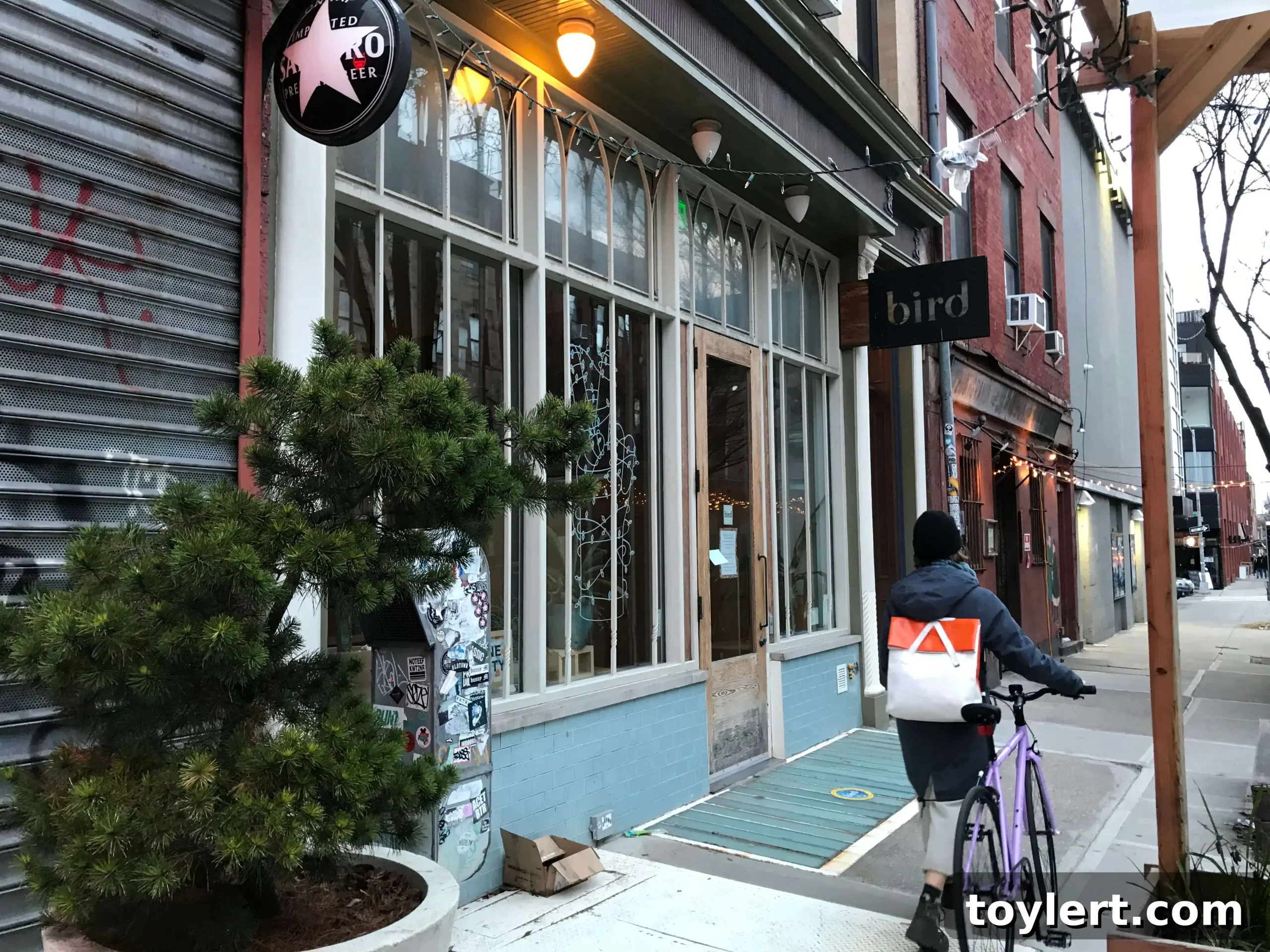
The End of an Era: Bird Brooklyn’s Closure Marks a Turning Point for Independent Fashion Retail
The vibrant landscape of independent retail in Brooklyn has suffered another significant loss. Bird, the iconic men’s and women’s clothing boutique that captivated fashion enthusiasts for over two decades, announced its permanent closure by the end of the month. Owner Jen Mankins, in a poignant Instagram post on Friday, revealed the heartbreaking news, attributing the decision to the relentless pressures of an already challenging industry, exacerbated by the unprecedented global pandemic.
Bird was more than just a clothing store; it was a cultural touchstone that helped define the sophisticated yet understated “Brooklyn look.” Renowned for its meticulously curated selection of cutting-edge designers, including revered names like Rachel Comey and Dries Van Noten, and its distinctive interiors designed by local architect Ole Sondresen, Bird carved a unique niche in the fashion world. At its zenith, the boutique boasted an impressive five physical locations – four across various Brooklyn neighborhoods and one in the fashion-forward city of Los Angeles – alongside a thriving online presence, making its reach truly significant for an independent retailer.
Bird: A Pioneer of Independent Style and the “Brooklyn Look”
The Visionary Behind Bird: Jen Mankins’ Journey
The story of Bird is intrinsically linked to its founder, Jennifer Mankins. A Texas native with a sharp eye for style and an innate understanding of the fashion market, Mankins honed her skills as a buyer at prestigious establishments like Barneys and Steven Alan. This invaluable experience equipped her with the expertise and connections necessary to embark on her own entrepreneurial journey. In 1999, she took over the very first Bird shop, nestled in the charming Park Slope neighborhood of Brooklyn. From that initial storefront, Mankins’ vision blossomed, creating a retail haven that celebrated individuality and quality craftsmanship.
Mankins envisioned a space where customers could discover unique pieces from both established and emerging designers, far removed from the mainstream offerings of larger department stores. Her curatorial approach was deliberate and personal, fostering a sense of discovery and trust among her clientele. This commitment to unique sourcing and a distinct aesthetic quickly garnered a loyal following, establishing Bird as a go-to destination for those seeking distinctive fashion that resonated with the borough’s evolving identity.
Crafting an Aesthetic: Ole Sondresen’s Architectural Touch
A significant element of Bird’s appeal was its physical environment. The stores were not merely display areas but meticulously designed spaces that enhanced the shopping experience. Brooklyn architect Ole Sondresen’s work on Bird’s interiors played a crucial role in creating this inviting atmosphere. Sondresen’s design philosophy, often characterized by a blend of raw industrial elements, natural materials, and minimalist aesthetics, perfectly complemented Bird’s curated fashion sensibility. Each Bird location felt thoughtful and cohesive, reflecting the brand’s commitment to design in all its forms, from the clothing on the racks to the very walls that housed them. This attention to detail fostered an environment where art and commerce seamlessly intertwined, making each visit to Bird a sensory pleasure.
The Perfect Storm: Why Bird Took Flight for the Last Time
The Unforeseen Blow: The COVID-19 Pandemic’s Exacerbating Role
While Bird’s closure is a symptom of deeper, long-standing issues within the retail sector, the COVID-19 pandemic delivered the final, devastating blow. “As with so many of our friends and neighbors, the ongoing pandemic has proven too much to bear on top of an already challenged, rapidly changing industry, and world,” Mankins shared on Instagram. The public health crisis led to unprecedented lockdowns, drastically reduced foot traffic in commercial districts, and a seismic shift in consumer behavior towards online shopping. For brick-and-mortar retailers, especially those reliant on experiential shopping and personal interaction, these changes created an insurmountable hurdle.
The uncertainty, health concerns, and economic instability that accompanied the pandemic forced many consumers to prioritize essential spending, leading to a significant downturn in discretionary purchases like high-end fashion. The inability to browse racks, try on clothes, and interact with knowledgeable staff – integral parts of the Bird shopping experience – further alienated customers from physical stores. Even with an online shop, the sheer volume of disruption and the rapid acceleration of existing trends proved overwhelming for even well-established boutiques.
Pre-Existing Industry Challenges: A Decade of Headwinds
According to the Business of Fashion, Jennifer Mankins cited a confluence of factors that made profitability impossible, even before the pandemic hit. These challenges represent systemic issues plaguing the independent retail landscape:
1. Shrinking Margins: The fashion industry has witnessed a steady decline in profit margins for retailers. Increased competition, both from other physical stores and the burgeoning e-commerce sector, has led to pricing pressures. Furthermore, rising costs associated with sourcing, inventory management, marketing, and staffing chipped away at the profitability of each sale. Independent boutiques, lacking the purchasing power of larger chains, often struggled to negotiate favorable terms with designers, further squeezing their margins.
2. Soaring Rents: Operating a physical store in prime urban locations like Brooklyn comes with the burden of astronomically high commercial rents. As neighborhoods gentrified and demand for retail space intensified, landlords consistently raised prices, often making it impossible for smaller, independent businesses to sustain themselves. These ever-increasing overheads devoured profits, leaving little room for investment or navigating leaner periods.
3. The Rise of Direct-to-Consumer (DTC) Competition: In recent years, an increasing number of brands have opted for a direct-to-consumer sales model, bypassing traditional retailers entirely. This shift allows brands to control their narrative, collect valuable customer data, and retain a larger share of the profit margin. While beneficial for the brands, it directly undermined the business model of boutiques like Bird, which thrived on introducing customers to an exclusive selection of designers. With designers building their own robust online presence, the unique draw of a multi-brand boutique diminished.
The Broader Impact: A Loss for Community and Culture
A Void in the Brooklyn Fashion Scene
Bird’s closure leaves a significant void in the Brooklyn fashion scene. For years, it served as a vital incubator for emerging designers and a trusted curator of international talent. Its absence will be deeply felt by local residents who valued its discerning taste and the unique shopping experience it offered. Beyond commerce, Bird contributed to the cultural fabric of Brooklyn, fostering a community around thoughtful design and ethical consumption. The disappearance of such an institution is not just a business failure; it’s a cultural loss that diminishes the borough’s distinctive character and diverse retail ecosystem.
The Ripple Effect on Independent Retail Globally
Bird’s story is unfortunately not an isolated incident but a microcosm of the struggles faced by independent boutiques across the globe. The pandemic accelerated trends that were already challenging the traditional retail model, highlighting the precarious position of small businesses in a rapidly digitizing and consolidating market. Many beloved local shops, unable to withstand the financial strain and shifting consumer habits, have been forced to close their doors, leaving a more homogenous retail landscape in their wake. This trend underscores the urgent need for innovative strategies, community support, and adaptable business models for independent retailers to survive and thrive in the future.
The Future of Brick-and-Mortar: Adapting to a New Reality
The closure of Bird serves as a stark reminder that the future of brick-and-mortar retail hinges on adaptation and evolution. Successful retailers in the post-pandemic era will likely need to focus on creating truly unique, experiential shopping environments that cannot be replicated online. This might involve integrating technology, offering personalized services, hosting community events, and emphasizing sustainability and ethical practices. The “showrooming” model, where physical stores serve as a place to discover products before purchasing online, or an “omnichannel” approach that seamlessly blends online and offline experiences, will become increasingly critical. The human element, the connection with staff, and the tangible joy of discovering something new in person, remains a powerful draw, but it must be meticulously cultivated and reimagined for the modern consumer.
A Lasting Legacy: Celebrating Bird’s Contribution
Jen Mankins eloquently summarized the personal significance of her endeavor: “[Bird] has meant everything to me and has been the core of my personal and professional life for almost two decades.” This sentiment reflects the profound dedication required to build and sustain such a celebrated brand. While the physical stores may close, Bird’s legacy as a pioneer in independent fashion retail, a champion of unique design, and a defining element of Brooklyn’s style identity will undoubtedly endure.
The closure of Bird Brooklyn is a poignant reminder of the fragility of independent businesses in an ever-changing world, especially when confronted with unforeseen global crises. It highlights the complex interplay of economic pressures, technological shifts, and consumer behavior that shapes the retail landscape. As the industry continues to evolve, the story of Bird will stand as a testament to the power of a clear vision, curated taste, and the enduring challenge of balancing passion with profit in the competitive world of fashion.