The Enduring Charm of Brooklyn’s Row Houses: A Deep Dive into Cambridge Place
Brooklyn, one building at a time. This philosophy perfectly encapsulates the appreciation for the borough’s rich architectural tapestry, where every street and every structure tells a story. Among the most iconic and beloved architectural forms in Brooklyn are its row houses, particularly the elegant brownstones that line historic streets. These residential gems are more than just buildings; they are a testament to New York City’s past, a vibrant part of its present, and a highly coveted investment in its future. Our journey today takes us to a particularly picturesque stretch: Cambridge Place, nestled within the charming and historically significant neighborhood of Clinton Hill.
The term “row house” itself conjures images of uniform facades, grand stoops, and a sense of enduring community. Brooklyn’s row houses, especially those built between the mid-19th and early 20th centuries, represent an unparalleled era of urban development and architectural craftsmanship. They were designed not just for shelter, but as statements of prosperity and stability for the burgeoning middle and upper-middle classes of the time. Exploring streets like Cambridge Place offers a tangible connection to this bygone era, allowing us to appreciate the meticulous detail and thoughtful design that went into creating these timeless homes.
The Allure and History of Brooklyn Row Houses
Brooklyn’s architectural landscape is predominantly defined by its vast collection of row houses. These attached or semi-attached single-family homes, sharing common side walls, were an efficient and stylish solution to housing a rapidly growing urban population. The distinct styles visible today reflect the popular architectural movements of their construction periods.
A Legacy of Architectural Styles
From the grand Italianate homes of the 1850s and 60s, characterized by their ornate cornices, tall windows, and intricate stoops, to the more restrained Neo-Grec designs of the 1870s, and the whimsical Queen Anne and Romanesque Revival styles of the late 19th century, Brooklyn’s row houses are a living museum of architectural evolution. Many of these homes, particularly in areas like Clinton Hill, are clad in the distinctive brownstone – a reddish-brown sandstone – which gives them their iconic moniker and adds to their warm, inviting aesthetic. Brick, often adorned with elaborate terra cotta details, was also a popular material, offering a different but equally charming street presence.
Each style brings its own unique set of features. Italianate homes often boast impressive entryways and decorative window hoods. Neo-Grec properties, while simpler, emphasize geometric patterns and carved panels. The later Queen Anne and Romanesque Revival houses introduced turrets, varied textures, and rich ornamentation, breaking from the strict linear patterns of earlier designs. These stylistic variations are not just aesthetic choices; they reflect the changing tastes and technological advancements of their respective eras.
The Enduring Appeal of Brownstone Living
Beyond their exterior beauty, Brooklyn row houses offer a unique living experience. Typically featuring multiple stories, often with high ceilings and spacious rooms, they provide ample living space that is a rarity in modern city construction. The classic layout often includes a parlor floor for entertaining, bedrooms on upper levels, and garden levels that open to private backyards – an invaluable amenity in an urban environment. This vertical living arrangement fosters a sense of privacy and distinct zones within the home, making them ideal for families or those who appreciate designated spaces for different activities.
The appeal of these homes extends beyond their structural attributes. Owning a brownstone is often seen as owning a piece of history, a connection to the city’s past that resonates deeply with residents and enthusiasts alike. The established neighborhoods where these homes are found boast mature trees, vibrant community life, and a character that cannot be replicated by newer developments. This blend of historical charm, spacious living, and vibrant community contributes to their perennial desirability in the competitive New York City real estate market.
Spotlight on Cambridge Place: A Clinton Hill Gem
Cambridge Place is a quintessential Brooklyn street, exemplifying the elegance and historical depth of the borough’s most sought-after neighborhoods. Located in Clinton Hill, just bordering Fort Greene, it benefits from the best of both worlds – the tree-lined tranquility of Clinton Hill and the cultural vibrancy of Fort Greene.
Location and Neighborhood Charm
Clinton Hill is renowned for its grand 19th-century mansions and stately row houses, many of which were built for wealthy merchants and industrialists. The neighborhood maintains a residential feel, characterized by its quiet streets, community gardens, and an abundance of historic architecture. Proximity to cultural institutions like the Brooklyn Academy of Music (BAM), Fort Greene Park, and a diverse array of independent shops and acclaimed restaurants further enhances its appeal. Residents enjoy a peaceful retreat from the city’s hustle, without sacrificing access to amenities and cultural experiences.
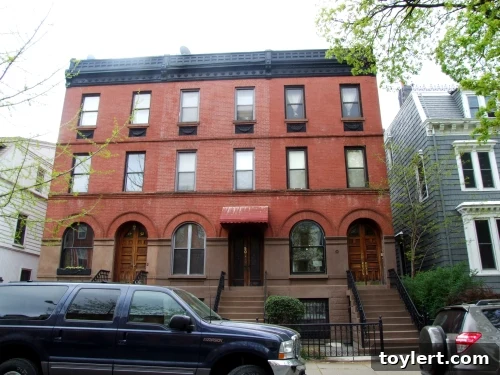
Cambridge Place itself is a testament to meticulous urban planning and architectural consistency. The block showcases a beautiful ensemble of brownstones, likely constructed in the late 19th century, reflecting the popular architectural trends of that era. The homes at 48-52 Cambridge Place, as highlighted, are excellent examples of the street’s cohesive design, contributing to its overall charm and historical integrity. These buildings, often exhibiting details of the Romanesque Revival or Neo-Grec styles, with their robust stone facades and classic stoops, evoke a timeless grandeur.
Preservation and Modern Urban Living
One of the remarkable aspects of Brooklyn’s historic districts, including much of Clinton Hill, is the dedication to architectural preservation. Many of these areas are protected by landmark status, ensuring that the unique character and historical integrity of the buildings are maintained for future generations. This doesn’t mean these homes are frozen in time; rather, it encourages a thoughtful balance between honoring the past and embracing the conveniences of modern living.
Owners of row houses on Cambridge Place and similar streets often undertake extensive renovation projects. These projects typically involve restoring original details such as plasterwork, fireplaces, and hardwood floors, while simultaneously updating kitchens, bathrooms, and essential infrastructure to meet contemporary standards. This delicate dance between preservation and modernization requires skill, vision, and a deep respect for the building’s history. The result is often a home that offers the best of both worlds: historic elegance with all the comforts of a newly built residence. The sense of individual contribution to the preservation of Brooklyn’s heritage is a source of immense pride for these homeowners.
Investing in Brooklyn’s Architectural Gems
The sustained demand for Brooklyn row houses, particularly in prime locations like Cambridge Place, underscores their status as highly desirable real estate assets. These properties are not merely homes; they are long-term investments that tend to appreciate significantly over time, driven by their scarcity, historical significance, and prime urban locations.
Market Value and Lifestyle
The real estate market for Brooklyn brownstones is consistently robust. Buyers are drawn to the unique combination of spaciousness, historical character, and the vibrant community life that accompanies these homes. They offer an alternative to high-rise apartment living, providing private entrances, individual gardens, and a strong sense of ownership. For many, owning a row house is the epitome of the “Brooklyn dream,” representing a tangible connection to a celebrated urban past and a comfortable, stylish future. The lifestyle afforded by living on a quiet, tree-lined street like Cambridge Place, while still being moments away from world-class dining, parks, and easy commutes to Manhattan, is a major draw.
The Journey of Restoration
For those who embark on the journey of purchasing and restoring a Brooklyn row house, it is often a labor of love. The process can be complex, involving architectural review boards for landmarked properties, sourcing period-appropriate materials, and working with specialized craftsmen. However, the rewards are immense. A successfully restored brownstone is a masterpiece, a personalized sanctuary that blends historical authenticity with contemporary functionality. It’s a statement piece, a legacy, and a home that truly stands apart. The meticulous attention to detail required in restoration projects often results in homes that are not only beautiful but also built to last for generations to come.
Conclusion: A Legacy Cast in Stone
Brooklyn’s row houses, and specifically the captivating stretch of Cambridge Place in Clinton Hill, represent more than just real estate; they are cultural touchstones, embodying the enduring spirit and architectural grandeur of New York City. From their rich historical narratives and diverse architectural styles to their unique blend of urban living and community charm, these brownstones continue to captivate and inspire. They stand as a powerful reminder of Brooklyn’s past, a vibrant canvas for its present, and a testament to the timeless appeal of well-crafted, historically significant homes.
As we admire the stoops and facades of 48-52 Cambridge Place, we are not just looking at buildings; we are observing a living legacy, a collection of stories etched in brownstone and brick. These homes are central to the identity of their neighborhoods, drawing people in with their unique charm and offering a profound sense of place. Whether you’re an architecture enthusiast, a history buff, or someone simply seeking a home with character and soul, Brooklyn’s row houses, particularly those found on the enchanting Cambridge Place, offer an unparalleled glimpse into the heart of this extraordinary borough.