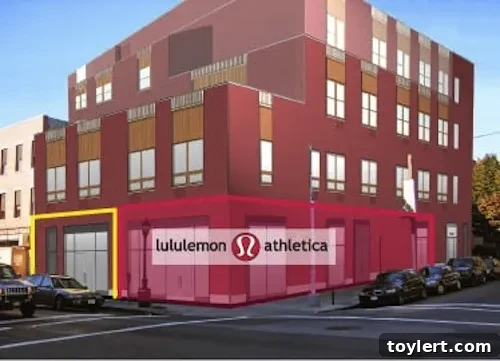
166 Smith Street: Brooklyn’s Former MTA Property Undergoing Dynamic Transformation
The iconic streetscape of Smith Street in Brooklyn is constantly being redefined, and few projects embody this spirit of renewal quite like the extensive redevelopment at 166 Smith Street. This prominent address, once a long-standing property of the Metropolitan Transportation Authority (MTA), is now in the midst of a significant overhaul. The ambitious renovation project, which initiated its crucial phase, signals a major turning point for the block, breathing vibrant new life into a property previously considered an underutilized asset within the bustling neighborhoods of Carroll Gardens and Boerum Hill.
Strategic Redevelopment Ignites Interest in Prime Brooklyn Real Estate
The transformation of 166 Smith Street represents a pivotal moment for the surrounding areas, marking a significant shift from public to private ownership. The sale of this property by the MTA garnered considerable attention, as developers recognized its immense potential within Brooklyn’s rapidly appreciating real estate market. The vision for 166 Smith Street has always been clear: to create a modern, mixed-use destination that thoughtfully integrates commercial vibrancy with upscale residential living, perfectly mirroring the eclectic and diverse character of its highly sought-after locale.
Positioned on a highly visible corner at Smith and Wyckoff Streets, the property’s strategic location promises substantial commercial appeal. Early reports and market whispers hinted at a high-profile retail tenant securing a significant portion of the ground-floor commercial space. While definitive confirmations remained elusive during the initial stages of the project, considerable speculation pointed towards Lululemon as a potential anchor. The prospect of such a globally recognized brand, even if part of preliminary marketing strategies, underscored the property’s attractiveness and the developers’ ambition to secure a prestigious tenant. An anchor tenant of this caliber would undoubtedly boost the commercial allure of the entire thoroughfare, significantly increasing foot traffic and contributing positively to the local economy.
From “Eyesore” to Icon: The Evolution of a Brooklyn Landmark
For many years, the structure at 166 Smith Street was perceived by some local residents and critics as an aesthetic challenge, often referred to as an “eyesore” amidst the otherwise charming and rapidly developing streetscape of Smith Street. Its eventual sale by the MTA was met with widespread approval and anticipation, seen as a crucial opportunity to revitalize a neglected space and inject fresh energy into the area. This transformation exemplifies a common narrative in urban regeneration: converting overlooked or underutilized public assets into valuable community resources that enhance both functionality and visual appeal. The building’s former condition had even landed it on local lists of Brooklyn’s least attractive structures, making its current metamorphosis into a modern, integrated complex all the more remarkable.
The comprehensive renovation encompasses more than just cosmetic enhancements; it involves a complete structural reimagining to meet contemporary building standards and market demands. Architects engaged in such complex urban projects face the delicate task of balancing historical context with modern functionality, often navigating intricate design challenges to create spaces that are both aesthetically pleasing and highly practical. Simultaneously, real estate brokers specializing in prime commercial properties like this are tasked with attracting top-tier tenants whose vision aligns with the revamped property’s prestige and the community’s aspirations.
Mixed-Use Excellence: A Blueprint for Contemporary Urban Living
Beyond its prominent commercial units, the redevelopment plan for 166 Smith Street is distinguished by its integration of premium residential living spaces. It is expected that the upper floors of the building will house sophisticated residential units, offering future inhabitants the quintessential Brooklyn experience of residing in a dynamic and culturally rich urban environment. This mixed-use development strategy is a cornerstone of modern urban planning, reflecting a growing demand for integrated environments where residents can live, work, and access amenities within close proximity.
The inclusion of luxury residential units at 166 Smith Street capitalizes on the enduring appeal of living in Brooklyn. With its vibrant arts scene, diverse culinary landscape, and excellent public transportation connectivity, Carroll Gardens and Boerum Hill consistently rank among New York City’s most desirable neighborhoods for professionals, couples, and families alike. These new apartments are anticipated to feature contemporary designs, high-end finishes, and potentially offer breathtaking views of the surrounding cityscape. Such residences cater to a discerning demographic seeking unparalleled convenience, superior quality, and a robust sense of community, further enhancing the property’s overall desirability and market value.
Impact on Carroll Gardens and Boerum Hill’s Dynamic Real Estate Market
The ambitious transformation of 166 Smith Street carries significant implications for the broader real estate ecosystem of Carroll Gardens and Boerum Hill. New developments, especially those combining high-profile commercial tenants with luxury residential offerings, frequently act as powerful catalysts for property value appreciation in the immediate vicinity. This project is poised to contribute to the ongoing gentrification and enhancement of the neighborhood, attracting new businesses and residents, and solidifying its reputation as a premier Brooklyn destination.
For existing businesses along Smith Street, the introduction of new retail, particularly a brand with the global recognition of Lululemon, could translate into increased foot traffic and enhanced visibility. While this can sometimes be a double-edged sword, bringing more customers to the area while also potentially intensifying competition and influencing commercial rents, the overall sentiment generally leans towards positive economic growth and diversification. The development is expected to draw more attention to the unique charm and diverse offerings of Smith Street’s independent boutiques, artisanal restaurants, and cozy cafes, creating a synergistic effect.
The real estate markets in Carroll Gardens and Boerum Hill have demonstrated remarkable resilience and consistent growth over the past decade. Properties in these neighborhoods consistently command premium prices, driven by robust demand, limited housing inventory, and the areas’ well-established appeal. The addition of new, high-quality residential and commercial spaces, such as those at 166 Smith Street, further reinforces this trend, fostering a dynamic interplay between historic architectural charm and cutting-edge modern amenities.
Navigating the Information Landscape: Transparency in Urban Development
A notable aspect of the early reporting surrounding 166 Smith Street was the initial challenge in obtaining definitive information directly from the project’s key stakeholders. The observed lack of immediate responses from the architects overseeing the development and the broker marketing the commercial space highlighted a common reality in large-scale urban developments: the meticulous management of public information. While certain details, such as specific tenant agreements or exact residential floor plans, are often kept confidential until closer to project completion, a degree of proactive communication and transparency is often crucial for effective public engagement and managing community expectations.
Nevertheless, the tangible progression of the project itself ultimately spoke volumes. The visible commencement of extensive construction activities, extensively documented by various local news outlets, definitively confirmed that the ambitious plans were moving forward, regardless of any initial communication hurdles. This serves as a powerful reminder that in the fast-paced and competitive world of New York City real estate, concrete actions on the ground frequently precede formal public announcements.
Looking Ahead: The Bright Future of 166 Smith Street
As the extensive renovations draw closer to completion, 166 Smith Street is poised to emerge as a shining example of modern urban development, seamlessly blending commercial vibrancy with sophisticated residential comfort. Its remarkable transformation from a neglected former MTA property into a contemporary mixed-use building stands as a testament to Brooklyn’s enduring appeal and the relentless pace of its urban evolution. This project is a prime illustration of how strategic and thoughtful redevelopment can inject new life into an urban core, significantly enhancing both its economic vitality and its aesthetic appeal.
The story of 166 Smith Street is far more than just a real estate transaction; it is a compelling narrative of urban renewal, significant community investment, and the continuous evolution of one of New York City’s most dynamic and culturally rich boroughs. As the building nears its grand unveiling, it will undoubtedly attract considerable attention, solidifying its place as a significant landmark on Smith Street and contributing to the rich and diverse tapestry of Brooklyn’s ever-changing urban landscape.
Further Reading and Resources:
- Work Begins at Former MTA Property 166 Smith Street [Brownstoner]
- 166 Smith Street Under Construction [Realty Collective]
- MTA Sells Smith Street Eyesore [Brownstoner]
- Three Brooklyn Winners on AMNY’s Most-Fugly List [Brownstoner]
- View 166 Smith Street on Google Maps