Understanding Gas Water Heater Installation Costs: A Comprehensive Guide
When your old water heater finally gives out, or you’re simply looking to upgrade, understanding the potential costs involved in a new installation can be daunting. One of the most common questions homeowners ask is about the fairness of plumber quotes. This detailed guide aims to shed light on the factors influencing gas water heater installation prices, helping you make an informed decision.
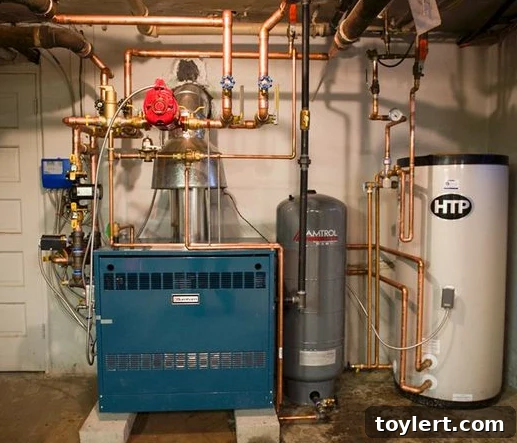
Is That a Fair Price? Decoding Your Plumber’s Quote
You might have received a quote like “$1,800 to install a 75-gallon water heater and $2,100 for a 100-gallon.” At first glance, these numbers might seem high or low depending on your previous experiences or expectations. To determine if these prices are fair, we need to consider several key variables that plumbers factor into their estimates. While these figures fall within a typical national range for professional gas water heater installation, the true “fairness” depends on your specific circumstances and location.
Let’s break down the components that contribute to the overall cost of installing a new gas hot water heater.
Key Factors Influencing Gas Water Heater Installation Costs
The price of a new gas water heater installation isn’t just about the unit itself. It encompasses a range of services, materials, and complexities. Understanding these elements will empower you to evaluate quotes more effectively.
1. Water Heater Type and Capacity
- Gas vs. Electric: Gas water heaters typically have higher installation costs than electric models due to the need for gas line connections and venting, but they often offer lower operating costs in the long run. Our focus here is specifically on gas units.
- Tank Size (Capacity): As your quotes indicate, larger tanks cost more. A 75-gallon unit provides ample hot water for medium to large families (3-5 people), while a 100-gallon unit is designed for very large households or homes with high hot water demand (5+ people, multiple bathrooms, luxury tubs). The unit cost for a 100-gallon tank is naturally higher than a 75-gallon tank, contributing to the price difference.
- Brand and Efficiency: High-efficiency models or premium brands might have a higher upfront cost but can save you money on energy bills over time. Standard efficiency models are more budget-friendly initially.
2. Labor Costs and Professional Expertise
- Plumber’s Hourly Rate: Labor is a significant portion of the installation cost. Rates vary widely based on geographic location, the plumber’s experience, and the company’s overhead. Highly skilled and licensed plumbers, particularly those experienced with gas appliances, often command higher rates.
- Complexity of Installation: A straightforward replacement where the new unit fits perfectly into the old footprint will be less expensive than an installation requiring significant modifications. For instance, converting from an electric to a gas water heater, or relocating the unit, involves extensive plumbing, gas line work, and venting adjustments, driving up labor costs.
- Time Required: A standard gas water heater replacement can take anywhere from 3 to 8 hours, depending on the complexity. The more time spent, the higher the labor charge.
3. Necessary Plumbing and Gas Line Modifications
- Existing Infrastructure: If your current gas line or water pipes are old, corroded, or not up to current code, they might need to be upgraded or replaced. This includes re-piping, adding shut-off valves, or even resizing the gas line to adequately supply the new unit.
- Venting Requirements: Gas water heaters require proper venting to safely exhaust combustion byproducts. Depending on the type of unit (atmospheric, power vent, direct vent) and your home’s existing setup, venting might need to be installed, upgraded, or rerouted, which can be a complex and costly part of the job.
- Drain Pan and Overflow: Many codes require a drain pan connected to an exterior drain, especially if the water heater is located on an upper floor or in an area where leaks could cause significant damage. Installing or modifying this adds to the cost.
4. Permits and Inspections
- Local Regulations: Most municipalities require permits for gas appliance installations to ensure they meet local building and safety codes. Obtaining these permits involves fees and often requires an inspection by a city official after the installation is complete. Skipping permits can lead to legal issues, voided warranties, and potential safety hazards. Your plumber should handle this process.
5. Removal and Disposal of the Old Unit
- Disposal Fees: Hauling away and properly disposing of an old, heavy water heater incurs costs. Many plumbers include this in their quote, but it’s worth confirming.
6. Location and Accessibility
- Ease of Access: A water heater located in an easily accessible basement or utility closet will generally be cheaper to replace than one tucked away in a cramped attic, crawl space, or small closet. Difficult access can significantly increase labor time and complexity.
- Structural Modifications: In rare cases, structural modifications might be needed to accommodate a larger or differently sized unit, further adding to the cost.
7. Additional Features and Upgrades
- Expansion Tank: Many plumbing codes now require an expansion tank to be installed with a closed water system. This protects your plumbing system from excess pressure.
- Water Heater Pad: If the unit is in a garage or basement, a pad might be needed to elevate it, protecting it from potential water damage.
- Sediment Flush Valve: Upgrading to a full-port ball valve for easier future maintenance.
Average Cost Ranges for Gas Water Heater Installation
To give you a broader perspective, the national average cost for installing a new tank-style gas water heater typically ranges from $1,500 to $3,000. For a 75-gallon unit, prices often fall between $1,700 and $2,500, while a 100-gallon unit can range from $2,000 to $3,500 or more, depending on the factors mentioned above. Your provided quotes of $1,800 for 75 gallons and $2,100 for 100 gallons are therefore within a reasonable, competitive range, especially if they include the unit, labor, disposal, and basic modifications.
How to Ensure You Get a Fair Price
Even with all these variables, there are steps you can take to ensure you’re getting a fair and transparent deal for your new gas water heater installation.
1. Get Multiple Quotes
Always obtain at least three quotes from different licensed and insured plumbers. This allows you to compare prices, assess the scope of work included, and gauge the professionalism of each contractor. Don’t just compare the bottom line; compare the itemized breakdown.
2. Request Detailed Breakdowns
Ask each plumber for a line-item estimate that clearly separates the cost of the water heater unit, labor, materials, permit fees, and old unit disposal. This transparency helps you understand where your money is going and allows for direct comparison between quotes.
3. Check Credentials and References
Verify that your plumber is licensed and insured in your state or municipality. Look for reviews and testimonials from previous clients. A reputable plumber will be happy to provide references and show proof of insurance.
4. Understand What’s Included (and Excluded)
Clarify exactly what the quote covers. Does it include the permit? Disposal of the old unit? Any potential modifications to plumbing or venting? Are there any hidden fees for unforeseen circumstances? A good plumber will explain all aspects clearly.
5. Don’t Always Choose the Cheapest
While budget is important, the lowest bid isn’t always the best option. A significantly lower price might indicate shortcuts, lack of proper licensing, or exclusion of essential services that will cost you more later. Prioritize value, expertise, and a comprehensive service.
DIY vs. Professional Installation
While some homeowners are adept at DIY projects, installing a gas water heater is generally not recommended for amateurs. It involves working with gas lines, water connections, and venting systems, all of which carry significant safety risks if not handled correctly. Improper installation can lead to gas leaks, carbon monoxide poisoning, water damage, and voided warranties. For safety and compliance with local codes, professional installation by a licensed plumber is always the safest and most reliable option.
Maximizing the Life of Your New Water Heater
Once installed, regular maintenance can significantly extend the life and efficiency of your gas water heater. Consider the following:
- Annual Flushing: Drain and flush your water heater tank annually to remove sediment buildup, which can improve efficiency and prevent corrosion.
- Anode Rod Inspection: Have your anode rod inspected every few years. This sacrificial rod protects the tank from rust, and replacing it when depleted can extend the tank’s life.
- Temperature Check: Set your water heater to an appropriate temperature (around 120°F) to prevent scalding and save energy.
Conclusion: Making an Informed Decision
The initial quotes you received of $1,800 for a 75-gallon and $2,100 for a 100-gallon gas water heater installation appear to be within a reasonable market range. However, the ultimate fairness depends on the specifics of the job, the plumber’s reputation, and what exactly is included in those prices. By understanding the various cost factors and following best practices for obtaining quotes, you can confidently proceed with your new gas water heater installation, ensuring you get safe, reliable, and efficient hot water for your home at a fair price.
Investing in a new gas water heater is a significant home improvement. By being well-informed, you can protect your investment and ensure comfort for years to come.