Clinton Hill Grapples with Rising Gun Violence: Community Demands Action for Enhanced Safety
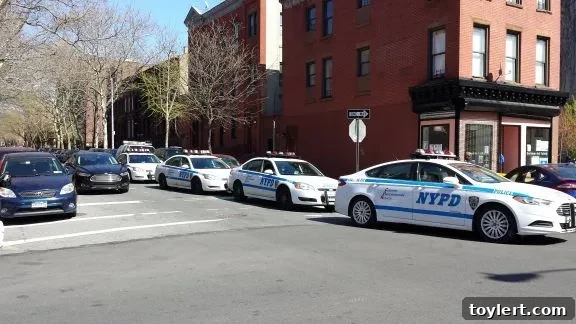
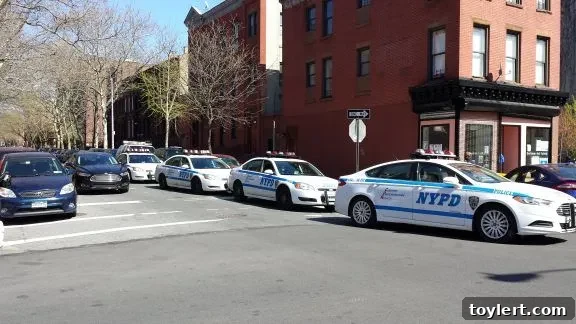
The vibrant and historically rich neighborhood of Clinton Hill, Brooklyn, is currently facing a sobering challenge. A double shooting that occurred on Clifton Place on the last Sunday of July has sent ripples of concern throughout the community. This isolated yet impactful event has served as a stark reminder for residents and local officials alike that the specter of increasing violence, particularly related to gangs and firearms, is casting a shadow over what is typically a peaceful urban enclave. The incident has not only highlighted an immediate safety issue but also ignited a broader conversation about the underlying causes and comprehensive solutions required to restore peace of mind for everyone in Clinton Hill.
In the wake of this disturbing event, Public Advocate Letitia James has taken a decisive step, calling for an urgent emergency meeting. Her initiative underscores the gravity of the situation and the collective will to address the escalating problem head-on. The meeting aims to unite community members, local leaders, and concerned stakeholders to strategize and implement effective measures against the perceived rise in gun and gang violence in the neighborhood. This proactive response signals a critical moment for Clinton Hill, as residents and advocates come together to confront a challenge that threatens the very fabric of their community.
A Community on Edge: The Catalyst Incident on Clifton Place
The double shooting on Clifton Place was more than just a crime; it was a wake-up call. Such an incident, occurring in a residential area, inevitably shatters the sense of security that residents expect in their daily lives. For many, it confirmed a growing apprehension: that the neighborhood they cherish might be experiencing a worrying shift towards increased lawlessness. Reports of two individuals wounded sent shockwaves through the local populace, prompting discussions on stoops, in local shops, and across social media platforms about what many perceive as a disturbing trend of escalating violence.
The specific details of the shooting quickly spread, fueling a collective desire for answers and accountability. While law enforcement diligently pursues justice for the victims and works to apprehend those responsible, the community’s focus has broadened to the systemic issues that allow such incidents to occur. This event on Clifton Place became a flashpoint, crystallizing anxieties and galvanizing efforts to prevent future occurrences, marking it as a critical turning point in the community’s engagement with public safety concerns.
Public Advocate Letitia James Steps Up for Clinton Hill
Recognizing the immediate need for a coordinated response, Public Advocate Letitia James swiftly moved to organize an emergency meeting. Her office dispatched an email invitation to community members and concerned parties, articulating the urgency of the situation. “As I am sure you are aware,” James wrote, “our neighborhood has seen an increase in gang and gun violence these past few weeks.” This direct acknowledgment from a prominent public official validated the fears of many residents and provided a platform for collective action. The meeting was scheduled for Wednesday, August 19, at the Emmanuel Baptist Church, a central and accessible location symbolizing unity and community spirit.
The decision by Public Advocate James to call this meeting highlights the essential role of local government in addressing community crises. Her leadership provides a crucial link between residents’ concerns and the policy-making processes that can enact meaningful change. For those interested in the full scope of her message and the context surrounding the meeting, Brownstoner’s initial writeup on the event offers comprehensive details, showcasing the robust local media coverage that helps keep the community informed and engaged.
Understanding the Roots of Urban Violence in Clinton Hill
Addressing the rise in gun and gang violence in Clinton Hill necessitates a deeper understanding of its complex origins. Urban violence is rarely monocausal; instead, it typically stems from a confluence of socio-economic factors, historical disenfranchisement, and structural inequalities. While Clinton Hill is known for its beautiful brownstones and vibrant cultural scene, like many urban areas, it can still experience pockets of vulnerability. Factors such as limited access to quality education, lack of job opportunities for youth, housing instability, and insufficient mental health services can create environments where desperation can lead to illicit activities and gang recruitment.
Furthermore, the availability of illegal firearms is a significant accelerator of violence. Despite ongoing efforts to control gun trafficking, the proliferation of weapons in urban centers makes minor disputes potentially fatal. Understanding the routes through which these weapons enter communities and implementing robust strategies for their interdiction is crucial. Tackling gang activity requires not only law enforcement intervention but also comprehensive community-led initiatives that offer young people alternatives to gang life, such as mentorship programs, recreational activities, and vocational training. A holistic approach that addresses both the symptoms and the root causes is essential for lasting change in Clinton Hill.
The Far-Reaching Impact on Residents and Neighborhood Life
The increase in violence, even if perceived rather than statistically proven over a longer period, profoundly impacts the daily lives of Clinton Hill residents. The most immediate effect is an erosion of the sense of safety and security. Parents worry about their children playing outdoors or walking to school. Elders become more hesitant to venture out after dark. This pervasive fear can lead to social withdrawal, reducing community cohesion as people limit their interactions and retreat indoors. The vibrancy that defines Clinton Hill, from its bustling streets to its lively parks, depends heavily on residents feeling safe enough to participate fully in public life.
Beyond individual well-being, increased crime rates can have tangible economic consequences. Local businesses, which form the backbone of the neighborhood economy, may see a decline in patronage if customers feel unsafe. Property values, a significant investment for many homeowners, can be negatively affected by a reputation for high crime. Moreover, the long-term mental health impact on residents, particularly those who witness or are directly affected by violence, cannot be overstated. A community scarred by violence requires not only physical safety measures but also robust support systems for trauma recovery and resilience building.
Community Mobilization: Seeking Solutions Together
The emergency meeting called by Public Advocate Letitia James represents a vital step in community mobilization. Such gatherings provide a crucial forum for residents to voice their concerns, share their experiences, and collectively brainstorm solutions. Discussions at these meetings often cover a wide range of potential strategies, from advocating for increased police presence and improved response times to exploring innovative community policing models that foster trust between law enforcement and residents. The goal is not just to react to incidents but to proactively build a safer environment through collaborative effort.
Key topics typically include the implementation of youth outreach programs designed to divert at-risk individuals from gang involvement, investment in after-school activities, and the expansion of mental health and social services. Residents might also discuss neighborhood watch initiatives, the installation of security cameras, and campaigns to promote responsible gun ownership. The power of these meetings lies in their ability to transform individual anxieties into a collective resolve, fostering a sense of shared responsibility and empowerment among Clinton Hill residents. It is in these forums that actionable plans are often born, leveraging local knowledge and commitment.
A Path Forward: Strategies for Long-Term Safety in Clinton Hill
Creating long-term safety in Clinton Hill requires a multi-pronged strategy that extends beyond immediate responses. Sustainable solutions must address the systemic issues contributing to violence. This includes advocating for greater investment in public schools, ensuring that every child has access to quality education and opportunities for advancement. Economic development initiatives that create meaningful job opportunities, especially for young adults, can provide viable alternatives to illicit economies and gang affiliation. Restorative justice programs, which focus on repairing harm and fostering reconciliation, can also play a crucial role in healing communities affected by crime.
Collaboration between various stakeholders is paramount. This means fostering strong partnerships between law enforcement agencies, community organizations, local businesses, schools, and faith-based groups. Regular data analysis of crime trends can help pinpoint hot spots and inform targeted interventions, ensuring that resources are allocated effectively. Ultimately, a truly safe community is one where residents feel heard, where services are accessible, and where there is a collective commitment to nurturing a supportive and inclusive environment. Clinton Hill’s rich history of activism and community spirit positions it well to meet these challenges head-on and forge a path towards lasting peace and security for all its inhabitants.
A Collective Commitment to a Safer Future
The recent events in Clinton Hill, particularly the double shooting on Clifton Place and the subsequent call for an emergency meeting by Public Advocate Letitia James, serve as a potent reminder that community safety is an ongoing endeavor requiring constant vigilance and collective action. While the immediate concerns about rising gun and gang violence are significant, they have also galvanized residents and leaders to confront these issues with renewed determination. The active engagement of the community, coupled with the strategic leadership of public officials, lays the groundwork for comprehensive and sustainable solutions.
As Clinton Hill moves forward, the emphasis will remain on fostering a strong, resilient community that not only addresses crime but also cultivates an environment where all residents feel secure, valued, and empowered. Through continued dialogue, resource allocation, and collaborative efforts, the hope is that Clinton Hill will not only overcome its current challenges but also emerge as an even stronger, safer, and more vibrant neighborhood for generations to come, embodying the true spirit of Brooklyn’s enduring communities.