Unveiling Magnus Dahlander: The Overlooked Architect Who Bridged Swedish Heritage and Brooklyn’s Golden Age
For many residents of Brooklyn, the name Magnus Dahlander likely draws a blank. Yet, this remarkable architect, a master of his craft at the turn of the 20th century, holds a prominent place in Sweden’s architectural history and undeniably deserves similar recognition in the vibrant tapestry of Brooklyn’s built environment. Dahlander stands as a unique figure, one of a select few architects from his era who cultivated profoundly successful careers on both sides of the Atlantic, leaving an indelible mark that continues to shape urban landscapes in two distinct nations.
His story is one of transatlantic ambition, artistic versatility, and a commitment to design excellence that transcended geographical boundaries. While his contributions in his native Sweden are celebrated, his equally significant legacy in America, particularly within the borough of Brooklyn, often remains an untold chapter. This article aims to bring Magnus Dahlander’s extraordinary life and architectural achievements into the spotlight, exploring his journey, his distinctive style, and the lasting impact of his work that merits a far wider appreciation.
Early Life and Architectural Foundations in Sweden
Magnus Emil Dahlander was born on August 2, 1861, in Örebro, Sweden, a charming city known for its historical castle and burgeoning industrial landscape. Growing up in a period of significant modernization and cultural exchange in Europe, Dahlander was exposed to a dynamic environment that undoubtedly fueled his early interest in design and construction. His foundational education in architecture laid the groundwork for a career that would span continents and styles.
His academic journey began with rigorous training at the esteemed University of Technology in Helsinki, Finland (then part of the Russian Empire, deeply culturally connected to Scandinavia). This institution, renowned for its strong engineering and architectural programs, provided Dahlander with a robust understanding of structural integrity, material science, and classical architectural principles. Following his studies in Helsinki, he further honed his skills at the prestigious Royal Institute of Technology in Stockholm, Sweden. Here, he delved deeper into the theoretical and practical aspects of architecture, engaging with contemporary design movements and the rich historical traditions of Scandinavian and European architecture. This dual educational background equipped him with a broad perspective, blending Northern European functionalism with classical influences, a synthesis that would later define much of his work.
The late 19th century in Sweden was a period of rapid urban development and architectural innovation. Dahlander emerged into a profession eager for talent and fresh ideas. His early career in Sweden was marked by a series of successful projects that quickly established his reputation. He contributed to the design of various public buildings, private residences, and commercial structures, each reflecting a meticulous attention to detail and a keen understanding of space and form. His work during this period often exhibited characteristics of Nordic Classicism, with elements of Art Nouveau and National Romanticism beginning to subtly influence his designs, reflecting the broader architectural trends sweeping through Northern Europe.
A Transatlantic Vision: From Stockholm to Brooklyn
The exact motivations for Magnus Dahlander’s relocation to America are not fully documented, but it was a common trajectory for ambitious European architects and skilled tradespeople during the late 19th and early 20th centuries. America, particularly its rapidly expanding cities like New York, represented a land of unparalleled opportunity, fueled by industrial growth, mass immigration, and an insatiable demand for new buildings—from grand civic structures and towering commercial blocks to thousands of new homes for its burgeoning population. Brooklyn, then an independent city before its consolidation into Greater New York, was at the forefront of this expansion, transforming from a collection of towns into a vibrant urban metropolis.
Dahlander’s decision to move to America speaks volumes about his entrepreneurial spirit and his desire to expand his architectural horizons. He wasn’t content to rest on his laurels in Sweden; he sought new challenges and the chance to contribute to the dynamic architectural landscape of the New World. Arriving in America, likely in the late 1890s or early 1900s, Dahlander quickly adapted his European training to the demands and opportunities of the American context. This period was a crucible for architectural innovation, as new technologies like steel-frame construction and elevators revolutionized building possibilities, while various architectural styles—from Beaux-Arts to Neo-Renaissance and Colonial Revival—competed for prominence.
Unlike many architects whose careers remained localized, Dahlander’s ability to seamlessly transition and succeed in two distinct architectural environments is a testament to his exceptional talent and adaptability. He navigated different building codes, material availability, client expectations, and aesthetic preferences with remarkable ease, a skill that few of his contemporaries possessed. His European background likely gave him a unique edge, offering clients in America a sophisticated blend of Old World craftsmanship and contemporary design sensibilities.
Magnus Dahlander’s Impact on Brooklyn’s Architectural Heritage
While specific projects in Brooklyn often await full historical identification and cataloging, Magnus Dahlander’s presence undoubtedly enriched the borough’s architectural tapestry. The turn of the century was a period of immense architectural diversity in Brooklyn, as entire neighborhoods were developed, and existing streetscapes were enhanced with new constructions. Architects like Dahlander were instrumental in shaping the visual identity of areas like Park Slope, Crown Heights, Prospect Heights, and Bay Ridge, where a mix of rowhouses, apartment buildings, and institutional structures arose.
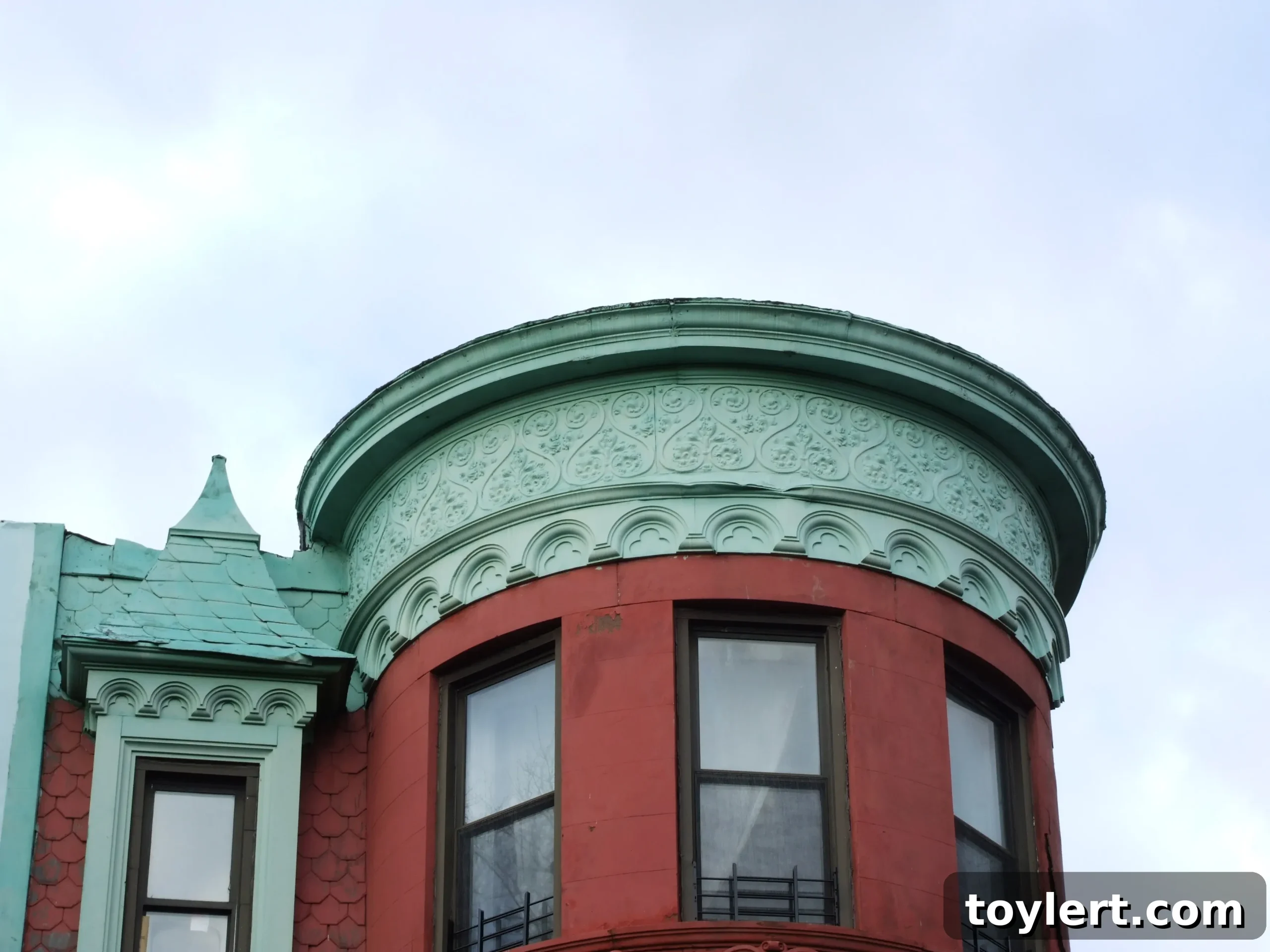
One can infer the characteristics of Dahlander’s Brooklyn work by examining his European training and the prevailing styles of the era. He likely brought a refined sense of proportion and classical detailing, hallmarks of his Scandinavian education. His buildings in Brooklyn might feature sturdy brick or brownstone facades, often adorned with intricate stone carvings, elegant cornices, and well-proportioned window arrangements. Elements of Scandinavian functionalism, emphasizing practicality and clean lines, could have subtly influenced his residential designs, making them both aesthetically pleasing and highly livable. Furthermore, his exposure to Art Nouveau in Europe might have translated into decorative motifs, curvilinear forms, or unique fenestration in some of his more adventurous projects.
Dahlander’s contributions would have encompassed a variety of building types. In a rapidly growing urban center like Brooklyn, architects were commissioned for everything from robust multi-family dwellings and commercial storefronts to perhaps even civic or institutional buildings. His work would have added to the rich layers of architectural styles that define Brooklyn, contributing to its reputation as an architecturally significant borough. His designs, whether grand or modest, would have been built to last, embodying the quality and craftsmanship that marked European architectural traditions.
The Challenge of Historical Recognition and a Call to Action
The question remains: why is Magnus Dahlander not a household name in Brooklyn, despite his clear importance? Several factors contribute to the obscurity of many prolific architects from that era. Record-keeping was less centralized, and many structures are often attributed to the developer or builder rather than the specific designer. Furthermore, the sheer volume of construction during the early 20th century meant that countless talented architects contributed, and only a handful achieved widespread posthumous fame.
However, the lack of recognition for figures like Dahlander represents a lost opportunity to fully understand and appreciate the intricate historical development of Brooklyn’s built environment. Each building, particularly those designed by architects with such a distinguished international background, tells a story—not just of its physical construction, but of the cultural exchanges, economic forces, and artistic movements that shaped its creation. By researching and identifying Dahlander’s specific projects in Brooklyn, we can gain deeper insights into the architectural trends of his time, the influences he brought from Sweden, and the unique blend of styles that came to characterize the borough.
Reviving the legacy of architects like Magnus Dahlander is not merely an academic exercise; it’s an essential part of preserving and celebrating Brooklyn’s rich heritage. It encourages a more nuanced understanding of the buildings we inhabit and pass by daily. It sparks curiosity about the people behind the designs and the stories embedded within the very bricks and mortar of our urban landscape. Local historical societies, preservation groups, and architectural historians have a crucial role to play in uncovering and documenting the specific contributions of architects like Dahlander, ensuring their rightful place in Brooklyn’s historical narrative.
Conclusion: Celebrating a Transatlantic Masterpiece
Magnus Emil Dahlander stands as a compelling figure, an architect whose talent and ambition allowed him to carve out successful careers in both his native Sweden and his adopted home in America, specifically in Brooklyn. Born in Örebro, educated in Helsinki and Stockholm, he arrived in the bustling borough with a sophisticated architectural sensibility honed by European training. While his fame in Brooklyn may not yet match his esteemed reputation in Sweden, his contributions are undoubtedly woven into the very fabric of the borough’s architectural heritage.
His story serves as a powerful reminder that Brooklyn’s architectural identity is a complex mosaic, built by talents from across the globe, each bringing their unique vision and expertise. It is time to elevate Magnus Dahlander to his rightful place among the influential architects who shaped Brooklyn at the turn of the century. By doing so, we not only honor a gifted individual but also enrich our collective understanding and appreciation of the magnificent architectural legacy that continues to define one of New York City’s most cherished boroughs. Let us begin to acknowledge Magnus Dahlander, not just as a Swedish master, but as a significant architect whose work beautifully bridges the architectural traditions of two continents, leaving an enduring mark on the streets of Brooklyn.