Brooklyn’s Evolving Landscape: Key Updates on Real Estate, Community, and Urban Life
Brooklyn, a borough synonymous with vibrant communities, rapid development, and a ceaseless spirit of innovation, is constantly at the forefront of urban change. From ambitious real estate projects reshaping skylines to critical discussions on community welfare, public safety, and local business, the borough remains a dynamic hub of activity. This comprehensive overview delves into recent significant updates, offering a closer look at the intricate forces influencing Brooklyn’s present and future.
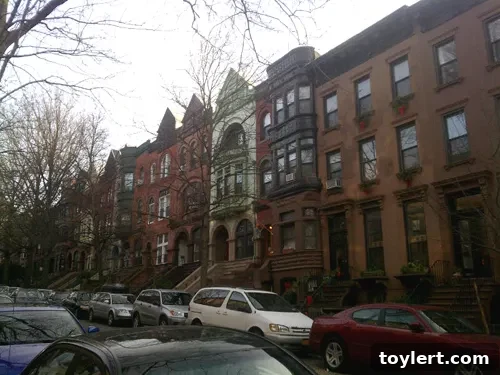
The image above captures a glimpse of the borough’s diverse character, perhaps a street scene or a vibrant neighborhood blend, echoing the “slope mix” in its original title, suggesting the dynamic energy found within areas like Park Slope and beyond. Brooklyn’s story is told not just through its iconic brownstones but through its ongoing evolution—a narrative shaped by policy, people, and the relentless pursuit of progress.
Atlantic Yards (Pacific Park) Development and Affordable Housing
The Atlantic Yards project, now largely rebranded as Pacific Park Brooklyn, has been one of the most contentious and transformative urban development initiatives in New York City’s recent history. Conceived as a sprawling mixed-use complex encompassing residential towers, commercial spaces, and the Barclays Center arena, its promise of thousands of new homes included a significant commitment to affordable housing. However, the reality of its implementation has frequently drawn scrutiny.
Early reports, such as one highlighted by the Atlantic Yards Report, revealed concerns regarding the allocation of affordable units, particularly the availability of larger apartments for low-income renters in the initial phases. These discussions underscore a persistent challenge in large-scale urban developments: balancing the economic viability of projects with the pressing need for truly inclusive and diverse housing options. The provision of affordable housing is not merely about quantity but also about creating units that genuinely meet the needs of families and individuals across various income brackets, integrating seamlessly into existing communities. The ongoing dialogue surrounding Pacific Park serves as a crucial case study for urban planners and community advocates alike, illustrating the complexities of delivering on public promises in mega-developments and ensuring that growth benefits all segments of the population. Understanding these dynamics is key to comprehending Brooklyn’s intricate socio-economic fabric.
For more detailed insights on the ongoing debates and commitments surrounding this pivotal development, see discussions on the Atlantic Yards Report.
Enhancing Cycling Safety and Police Accountability in NYC
New York City’s streets are a bustling arena for pedestrians, motorists, and a rapidly growing community of cyclists. While cycling offers numerous environmental and health benefits, it also presents significant safety challenges. Tragic incidents, such as fatal crashes involving bicyclists, often ignite passionate calls for improved infrastructure, stronger enforcement of traffic laws, and greater police accountability in investigations.
A specific incident, drawing criticism from a bicyclist’s family regarding the police handling of a fatal crash, brought to light the emotional toll on victims’ families and the public’s demand for thorough and transparent investigations. Such events fuel the ongoing advocacy for initiatives like Vision Zero, which aims to eliminate traffic fatalities and serious injuries on city streets. This involves a multi-pronged approach: redesigning streets to create safer bike lanes and pedestrian spaces, implementing stricter traffic enforcement, and fostering a culture of shared responsibility among all road users. Discussions around police conduct following accidents are critical for maintaining public trust and ensuring that justice is served. These conversations are vital for Brooklyn, where cycling is an increasingly popular mode of transport, emphasizing the need for safer urban mobility solutions and robust community-police relations.
The critical examination of these events and their aftermath is often captured by sources like the New York Times’ City Room blog.
Challenges in Brooklyn Real Estate Development: A Bay Ridge Case Study
The Brooklyn real estate market is renowned for its dynamism, but it is not immune to financial volatility and the inherent risks associated with property development. Even established figures in the industry can face significant challenges, including foreclosure proceedings, which can have ripple effects on local communities and the broader economic landscape.
The case of a controversial developer in Bay Ridge facing foreclosure underscores the intricate and often precarious nature of real estate ventures. Such situations highlight the importance of financial prudence, market analysis, and the complex legal frameworks governing property ownership and investment. For residents of neighborhoods like Bay Ridge, these developments can impact local property values, the availability of housing, and the overall perception of community stability. Foreclosures involving prominent developers can also spark discussions about accountability, lending practices, and the mechanisms in place to protect both investors and the public interest. These stories offer valuable insights into the cyclical nature of the real estate market and the personal and professional stakes involved in building Brooklyn’s future.
For more details on the financial challenges facing developers, coverage from outlets like the NY Daily News provides context.
Ensuring Security at Brooklyn’s Container Port
Brooklyn’s waterfront has a rich industrial history and continues to play a vital role in regional and national commerce, particularly through its container port facilities. These ports are critical arteries for trade, facilitating the movement of goods and sustaining countless jobs. However, their strategic importance also makes them potential targets for security risks, necessitating continuous vigilance and robust protective measures.
Concerns raised by politicians regarding security risks at the container port emphasize the multifaceted nature of safeguarding critical infrastructure. These discussions often encompass a broad range of issues, from protecting against terrorism and organized crime to ensuring operational safety and mitigating environmental hazards. Elected officials frequently advocate for increased funding for security enhancements, improved surveillance technologies, and enhanced collaboration among federal, state, and local agencies. The security of Brooklyn’s container port is not just a matter of local concern; it has implications for global supply chains and national economic stability. Maintaining a secure and efficient port is paramount for preserving its economic contributions to Brooklyn and the wider metropolitan area, ensuring smooth trade operations and public safety along the waterfront.
Insights into political discourse surrounding port security can be found in publications such as the Brooklyn Eagle.
Political Hurdles and Affordable Housing in the Broadway Triangle
The Broadway Triangle area, spanning the borders of Williamsburg and Bedford-Stuyvesant, has long been a focal point for intense debate over affordable housing and equitable community development. This particular locale highlights how political dynamics, community advocacy, and historical grievances can significantly impede progress on much-needed housing initiatives.
The issue of “politics thwarting Broadway Triangle housing” refers to the complex interplay of legal challenges, community resistance, and political maneuvering that have historically stalled development plans. Activists and residents have raised concerns about discriminatory housing practices, gentrification, and the fair distribution of resources, leading to protracted legal battles and public protests. The struggle in the Broadway Triangle is emblematic of broader urban planning challenges in rapidly gentrifying areas, where the promise of new housing must confront deeply entrenched socio-political issues. Achieving consensus and implementing housing solutions in such contested spaces requires not only significant political will but also genuine community engagement and a commitment to addressing historical inequities. The outcome of these ongoing battles will undoubtedly shape the future character and accessibility of housing in this crucial Brooklyn neighborhood.
Further exploration into the political intricacies of housing development in this area can be found in articles like those from Gotham Gazette.
The Impact of Major Retailers: Whole Foods in Brooklyn
The arrival of major retail chains into established urban neighborhoods often sparks lively debate, balancing the potential for increased convenience and economic activity against concerns about local business displacement and changes to community character. The prospect of a Whole Foods Market opening in Brooklyn has historically been one such catalyst for extensive public discussion.
A “Whole Foods Hearing Today” signifies a critical moment in the community’s democratic process, allowing residents to voice their opinions, concerns, and support for such developments. These hearings typically cover a range of topics, including traffic impact, parking availability, local employment opportunities, and the potential effect on existing small businesses. For Brooklyn neighborhoods, the entry of a large organic grocer like Whole Foods represents a significant shift in the retail landscape, often seen by some as a sign of gentrification and by others as an indicator of growing prosperity and demand for specialized goods. The outcome of such hearings can influence not only the specific project but also future policy decisions regarding commercial development and community input in urban planning. These discussions reflect Brooklyn’s continuous balancing act between modernization and the preservation of its unique local identity.
Local community news sources, such as McBrooklyn, often cover these pivotal meetings.
Brooklyn’s Vibrant Culinary Scene: Terroir in Park Slope
Brooklyn’s culinary landscape is as diverse and dynamic as its population, continually evolving with new openings that cater to every palate. The introduction of new restaurants not only enriches the dining scene but also contributes significantly to the cultural vibrancy and economic health of local neighborhoods.
The confirmation of “Terroir Park Slope” marked an exciting addition to one of Brooklyn’s most beloved and family-friendly neighborhoods. Terroir, known for its extensive and curated wine list paired with sophisticated, seasonal small plates, brought a distinct European wine bar experience to the area. Such openings are more than just new eateries; they represent investment in the community, create local jobs, and offer residents new social spaces. Park Slope, with its charming brownstones and bustling avenues, thrives on a mix of independent boutiques, cafes, and restaurants that contribute to its unique character. The success of venues like Terroir reflects the borough’s growing reputation as a culinary destination, attracting both local patrons and visitors seeking high-quality dining experiences. These new establishments continually redefine Brooklyn’s appeal, solidifying its status as a leading city for food lovers.
The latest updates on Brooklyn’s flourishing restaurant scene are frequently highlighted by culinary publications such as Eater NY.
Conclusion: Brooklyn’s Continuous Evolution
The various updates discussed above paint a vivid picture of Brooklyn as a borough in constant motion—a place where ambitious development coexists with vigilant community activism, where economic growth intersects with social responsibility, and where local concerns resonate with broader urban challenges. From the macro-level impact of major housing projects and port security to the micro-level influence of local eateries and neighborhood meetings, every development contributes to the intricate tapestry that is Brooklyn.
Staying informed about these diverse issues is crucial for understanding the borough’s identity and trajectory. As Brooklyn continues to evolve, its residents, policymakers, and businesses collectively shape its future, striving for a balance between progress, preservation, and equitable growth. The ongoing dialogues around these critical areas ensure that Brooklyn remains not just a place to live, but a vibrant community actively engaged in defining its own destiny.