Bridge Rockaway: A Beacon of Mixed-Use Affordable Housing and Economic Revitalization in Brownsville
The landscape of urban development in New York City is constantly evolving, driven by the pressing need for affordable housing and sustainable economic growth. Emerging as a pioneering model in this arena is Bridge Rockaway, an innovative mixed-use affordable housing development currently taking shape in the heart of Brownsville, Brooklyn. This ambitious project is set to introduce 174 critically needed affordable apartments and nearly 40,000 square feet of modern light manufacturing space, promising a transformative impact on the vibrant Brownsville neighborhood.
Bridge Rockaway represents more than just a building; it embodies a holistic approach to community development, addressing both the housing crisis and the demand for local economic opportunities. With a substantial investment of $118 million, this project is a cornerstone of Governor Kathy Hochul’s expansive plan for housing reform, reflecting a statewide commitment to fostering equitable and resilient communities. Its completion is anticipated to generate a significant economic boost, creating an estimated 35 new industrial jobs within the manufacturing sector and an additional 20 jobs related to the residential operations, providing vital employment pathways for local residents.
Addressing New York’s Housing Crisis with Innovative Solutions
At its core, Bridge Rockaway is designed to alleviate the severe housing insecurity faced by countless New Yorkers. The development strategically allocates 87 permanent supportive housing units specifically for individuals who have experienced chronic or intermittent homelessness. This crucial component highlights a compassionate and practical approach to integrating vulnerable populations back into stable community life. Permanent supportive housing is widely recognized as an effective intervention, combining affordable housing with comprehensive support services tailored to the individual needs of residents, including case management, mental health counseling, substance abuse treatment, and job readiness training.
Susan Wiviott, CEO of The Bridge, the esteemed social services organization entrusted with the management of the apartments, eloquently captured the urgency of the situation. “We as New Yorkers, unfortunately, are too familiar with the crisis of street homelessness currently facing the city,” Wiviott stated. “It’s a very difficult situation right now for New York, and it’s actually a real tragedy for those people experiencing it.” Her words underscore the profound human impact of homelessness and emphasize the critical role projects like Bridge Rockaway play in providing not just shelter, but also dignity and a pathway to recovery and self-sufficiency for those most in need.
The Power of Mixed-Use Development: Housing and Jobs Under One Roof
The innovative mixed-use design of Bridge Rockaway stands out as a forward-thinking solution for urban challenges. By integrating both residential and light manufacturing spaces, the project creates a dynamic ecosystem that fosters live-work opportunities and enhances community vibrancy. The nearly 40,000 square feet dedicated to light manufacturing is particularly significant for Brownsville. Light manufacturing typically involves small-scale production, assembly, design studios, or artisan workshops – industries that are less intensive than heavy manufacturing but still provide stable, skilled employment opportunities. This space is envisioned to attract local businesses, entrepreneurs, and start-ups, contributing to a diversified local economy and reducing the need for residents to commute long distances for work.
This synergistic approach offers multiple benefits. Residents can potentially find employment within their own neighborhood, reducing transportation costs and commute times, thereby improving their overall quality of life. Simultaneously, local businesses gain access to a readily available workforce and a thriving community consumer base. This model promotes a more sustainable urban environment by creating self-contained communities where essential services, living spaces, and employment opportunities are all within close proximity, fostering a stronger, more resilient local economy.
Brownsville: A Community Poised for Growth and Revitalization
Brownsville, a neighborhood steeped in rich history and community spirit, has long faced systemic challenges, including historical underinvestment and a scarcity of resources. However, it is also a community with immense potential and a strong desire for positive change. Bridge Rockaway is not merely an isolated development; it is an integral part of broader efforts to revitalize Brownsville and empower its residents. By bringing high-quality affordable housing and robust job opportunities, the project aims to stabilize families, attract new investment, and stimulate organic growth from within the community.
The investment in light manufacturing space is particularly tailored to meet the evolving needs of Brownsville. It provides an avenue for residents to acquire new skills, access training programs, and secure jobs that contribute directly to the local economy. This focus on industrial and commercial growth complements the residential aspect, ensuring that the development acts as a catalyst for long-term economic stability and upward mobility for the neighborhood’s diverse population. Projects like Bridge Rockaway are crucial in demonstrating how targeted investments can unlock a community’s inherent strengths and foster a path towards a more prosperous future.
Governor Hochul’s Vision for Housing Reform
Bridge Rockaway stands as a powerful testament to Governor Kathy Hochul’s comprehensive housing reform agenda. The Governor has consistently articulated a commitment to addressing New York’s chronic housing shortage and making housing more accessible and affordable for all residents across the state. Her plan encompasses a multi-pronged strategy that includes incentivizing new construction, streamlining regulatory processes, preserving existing affordable housing, and investing in supportive housing initiatives like Bridge Rockaway.
The $118 million allocation for Bridge Rockaway underscores the state’s dedication to implementing these reforms on the ground. By supporting projects that not only create housing but also integrate economic development and critical social services, Governor Hochul’s administration aims to build stronger, more inclusive communities. This initiative reflects a broader understanding that solving the housing crisis requires more than just building units; it demands a strategic, integrated approach that addresses the full spectrum of community needs, from stable housing to gainful employment and access to essential support systems.
The Bridge: A Pillar of Support and Expertise
The successful operation of supportive housing developments relies heavily on the expertise and dedication of social service organizations. The Bridge, with its long-standing reputation for excellence in serving individuals with mental illness, homelessness, and substance use disorders, is an ideal partner for Bridge Rockaway. Beyond merely managing the physical apartments, The Bridge will provide a comprehensive suite of services essential for the well-being and stability of residents, particularly those transitioning out of homelessness.
These services are vital for long-term success. They include individualized case management, where residents work one-on-one with professionals to set goals and access resources; mental health and primary care services; vocational training and employment assistance; and life skills workshops focusing on budgeting, healthy living, and community integration. This holistic model ensures that residents receive the continuous support necessary to maintain their housing, improve their health, and achieve personal and economic independence. The Bridge’s involvement transforms Bridge Rockaway from just a housing complex into a true sanctuary of healing and empowerment.
A Model for Sustainable Urban Development
In conclusion, Bridge Rockaway is more than just a new building in Brownsville; it is a pioneering model for sustainable and equitable urban development. Its unique combination of affordable housing, dedicated supportive units for the formerly homeless, and vibrant light manufacturing space addresses multiple critical needs simultaneously. This project promises not only to provide safe, affordable homes but also to catalyze economic growth, create jobs, and foster a stronger, more resilient community in Brownsville.
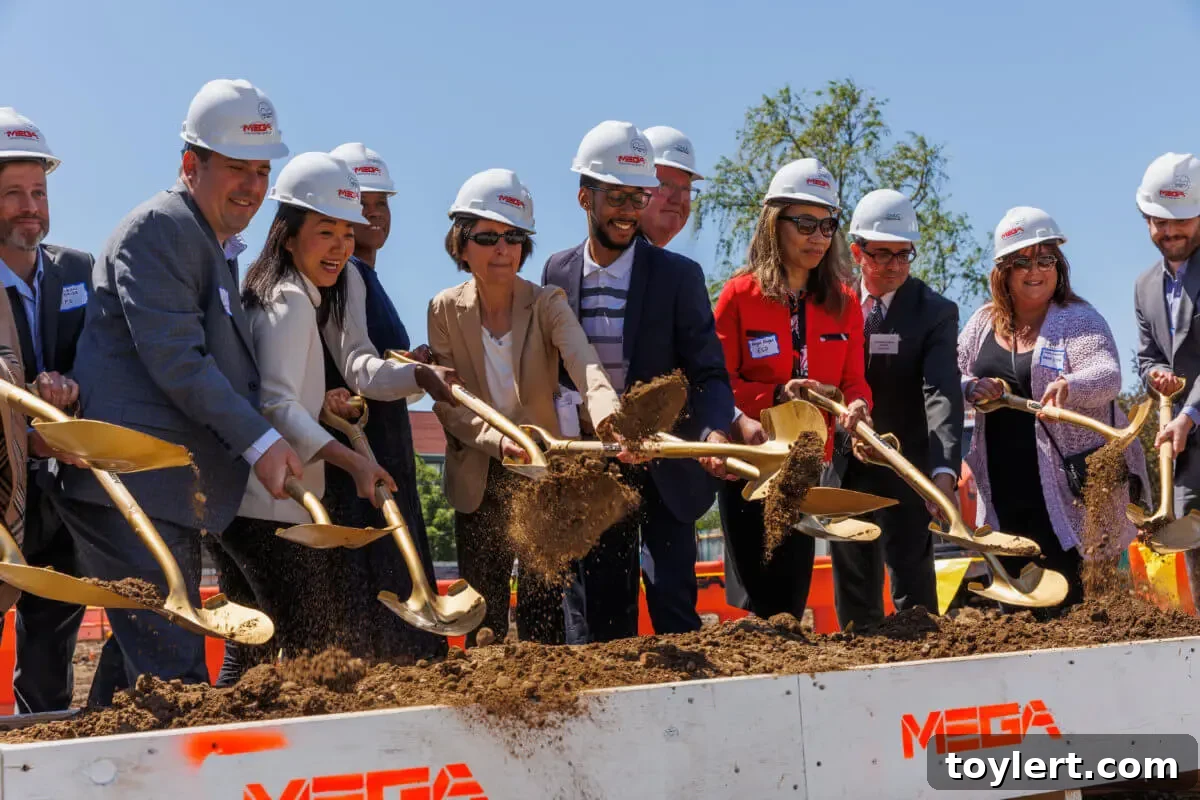
As construction progresses and the vision for Bridge Rockaway becomes a reality, it will stand as a powerful example of how strategic investment, innovative design, and compassionate social services can converge to transform lives and revitalize neighborhoods. It represents a significant step forward in tackling New York City’s housing and homelessness crises, offering hope and tangible solutions for a more inclusive and prosperous future for all its residents, particularly those in Brownsville.