Exploring Brooklyn’s Dynamic Landscape: Urban Evolution, Community Spirit, and Enduring Charm
Brooklyn, a borough renowned for its eclectic neighborhoods, rich history, and relentless pace of change, stands as a microcosm of urban evolution. From its revitalized waterfronts to its deeply rooted historic districts, Brooklyn constantly navigates the intricate balance between preserving its heritage and embracing future development. This dynamic interplay shapes not just its skyline but also the very fabric of its diverse communities, making it a fascinating subject for anyone interested in urban planning, social dynamics, and the enduring spirit of a city.
In this article, we delve into various facets of Brooklyn’s ongoing transformation. We’ll explore significant urban development projects, shed light on community-led initiatives, and examine how infrastructure challenges impact daily life. We’ll also celebrate the unique character of individual neighborhoods and the innovative spirit that continues to define this vibrant borough, drawing on pivotal moments and ongoing trends that highlight Brooklyn’s journey through the years.
The Gowanus Canal: A Symbol of Transformation and Environmental Stewardship
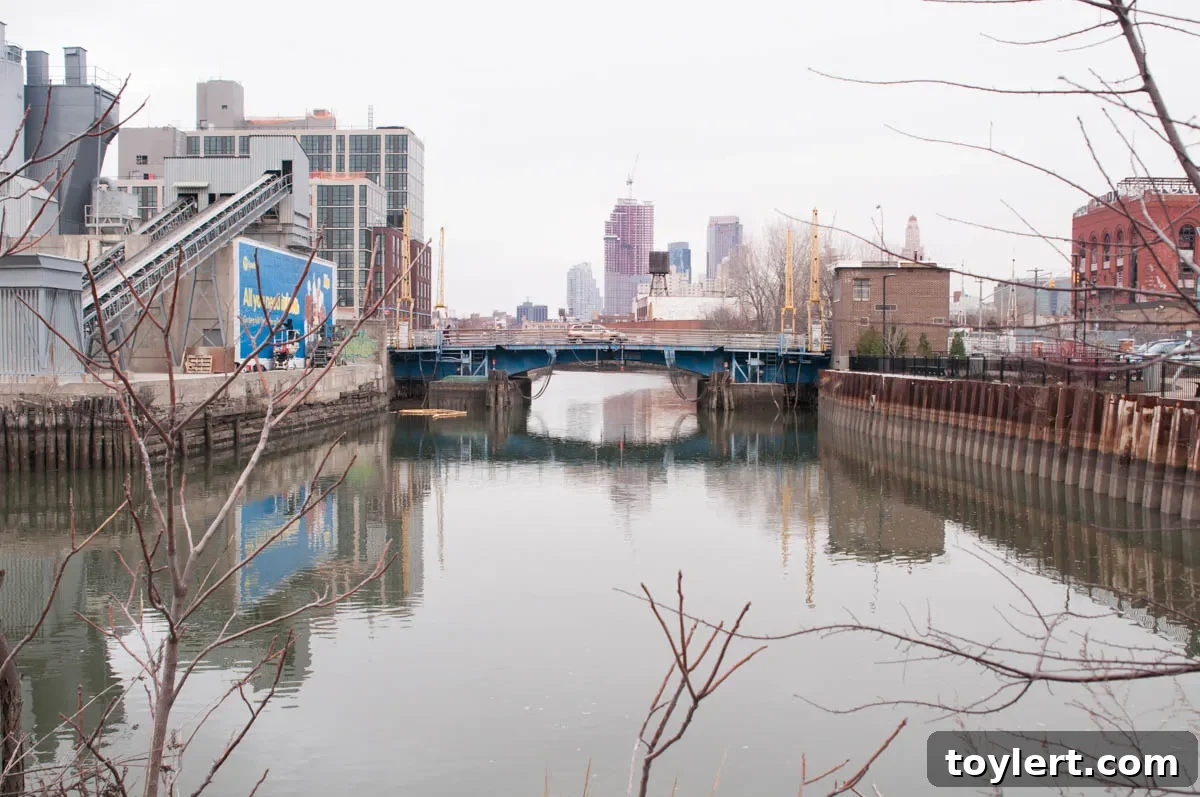
The Gowanus Canal, a federal Superfund site, represents one of Brooklyn’s most significant environmental and urban planning challenges. Once a bustling industrial artery, it became synonymous with pollution, earning the moniker “Lavender Lake” for its infamous stench. However, its future is now being actively reshaped by an ambitious clean-up operation and an evolving understanding of its role within the community. The journey to revitalize this waterway is not merely about environmental remediation; it’s about redefining a neighborhood and fostering a new relationship between residents and their urban environment.
The canal’s unique character has even inspired artistic and analytical interpretations, such as the creation of an odor-filled map of Gowanus smells by designers. This innovative project aimed to capture the sensory experience of the canal, highlighting the various — and often unpleasant — olfactory markers that have historically defined the area. Such initiatives underscore the deep connection between the environment and human perception, prompting discussions about how a place’s identity is tied to its sensory landscape.
Beyond the smells, the Gowanus neighborhood itself is undergoing a dramatic transformation. While the clean-up progresses, developers are increasingly looking to the area, proposing new residential and commercial projects. This brings both opportunities for economic growth and challenges related to gentrification, affordable housing, and ensuring that new developments are environmentally sustainable and integrated with the community’s needs. The delicate balance between development and preservation remains a critical conversation for residents and planners alike, making the Gowanus Canal a compelling case study in urban ecological and social change.
Neighborhoods in Flux: Development, Preservation, and Community Voice
Brooklyn’s urban fabric is a rich tapestry woven from distinct neighborhoods, each with its own story of development and community resilience. The debates surrounding these transformations often highlight the tension between progress and preservation, economic opportunity and cultural identity.
Sunset Park and the Future of Industry City
The conversation around Industry City in Sunset Park exemplifies this dynamic. This sprawling industrial complex has been eyed by developers as a potential hub for innovation, manufacturing, and commercial activity, promising jobs and economic revitalization. However, these ambitious plans have also sparked concerns among long-time residents and community activists about potential gentrification, displacement, and the loss of the neighborhood’s unique character. The debate over Industry City underscores the complex challenge of balancing large-scale development with the imperative to protect existing communities and ensure equitable growth.
South Williamsburg: A Glimpse into the Past
In stark contrast to areas experiencing rapid commercialization, certain parts of Brooklyn have largely retained their historical essence. South Williamsburg, for instance, has been noted for remaining virtually unchanged since World War II. This remarkable continuity is largely attributed to its strong, tightly-knit communities, particularly the Hasidic Jewish population, whose cultural practices and housing preferences have significantly influenced the area’s development trajectory. Walking through South Williamsburg offers a unique glimpse into a past era, highlighting the power of community cohesion in resisting the relentless pressures of modern urban redevelopment and preserving a distinct way of life.
Brooklyn Heights: The Power of Civic Activism
The venerable neighborhood of Brooklyn Heights, known for its historic brownstones and tree-lined streets, provides another powerful example of community influence. Here, civic groups play a crucial role in safeguarding the architectural integrity and residential character of the area. A notable instance involved a civic group presenting a “Good Neighbor” award to a Heights co-op that rejected a high-rise deal. This action celebrated the co-op’s decision to prioritize neighborhood preservation over potentially lucrative development, demonstrating the collective power of residents to shape their environment and protect their shared values against the tide of speculative real estate.
Brooklyn’s Economic and Cultural Pulse: Startups and Staples
Brooklyn’s economic landscape is a vibrant blend of burgeoning startups and long-standing institutions that contribute to its distinctive cultural identity. The borough has firmly established itself as a fertile ground for innovation and entrepreneurship, while also cherishing the businesses that have become woven into its historical fabric.
Brooklyn as a Startup Ecosystem
The allure of Brooklyn for entrepreneurs is undeniable. Its creative energy, diverse talent pool, and sense of community foster an environment where new ideas can thrive. However, operating a startup in Brooklyn comes with its own set of unique advantages and disadvantages. As a Dots CEO once articulated, the pros often include access to a vibrant, skilled workforce and a culturally rich backdrop that inspires innovation. The cons, however, frequently revolve around the high cost of living and doing business, fierce competition, and navigating the complexities of a dense urban environment. Despite these challenges, Brooklyn continues to attract and cultivate a dynamic startup ecosystem, cementing its status as an innovation hub.
Iconic Institutions: The Enduring Presence of Brooklyn Brewery
Amidst the rapid changes, certain establishments stand as enduring symbols of Brooklyn’s spirit. The Brooklyn Brewery, for example, famously quashed rumors of its departure, reassuring its loyal patrons and the wider community that it was deeply rooted in the borough. This incident highlights the profound importance of iconic local businesses, not just as economic contributors, but as integral parts of Brooklyn’s cultural identity. Such institutions often face pressures related to expansion, rising real estate costs, and evolving market demands, yet their commitment to remaining in Brooklyn speaks volumes about the value they place on their origins and community connections. They serve as anchors, linking the borough’s past with its present and future.
Infrastructure Challenges and Community Adaptation: The L Train Saga
Public transportation is the lifeblood of New York City, and Brooklyn is no exception. The efficiency and reliability of its transit systems directly impact the daily lives of millions. The impending shutdown of the L Train for critical repairs (a major concern a few years ago, ultimately adapted to a partial shutdown and evening/weekend work) became a significant point of anxiety and planning for commuters, businesses, and local authorities. While the most severe scenarios were ultimately mitigated, the discussions and preparations surrounding the potential complete shutdown brought to light the immense challenges posed by aging infrastructure and the vital need for robust contingency plans.
The “L Train Coalition” and other community groups played a crucial role in advocating for residents and businesses, exploring alternative transportation options, and pushing for solutions that would minimize disruption. This period served as a powerful reminder of how deeply integrated public transit is into the borough’s economic and social fabric, demonstrating the resilience and adaptability of Brooklynites in the face of major logistical hurdles. The saga underscored that infrastructure decisions are not merely technical but profoundly social, affecting everything from property values to individual commutes and community cohesion.
Personal Stories and Architectural Gems: A Glimpse into Vinegar Hill Living
Beyond the grand narratives of urban development and policy, Brooklyn’s charm also lies in its personal stories and unique architectural expressions. The historic neighborhood of Vinegar Hill, with its cobblestone streets and Federal-style row houses, offers a prime example of how individuals contribute to the borough’s evolving character.
A recent Insider column featured the fascinating home of a creative couple who ingeniously combined two Vinegar Hill condos. This project was more than just a renovation; it was an act of architectural fusion, blending two distinct spaces into a cohesive, personalized living environment. Such endeavors showcase the ingenuity of Brooklyn residents in adapting and revitalizing existing structures to meet modern needs, often while preserving the historical integrity and charm of their surroundings. The column highlighted how the job defied expectations, creating a unique space that resonated deeply with the homeowners’ vision and demonstrated the limitless possibilities within Brooklyn’s diverse housing stock. These individual stories contribute significantly to the borough’s reputation as a place where creativity flourishes, even within the confines of historic architecture.
Conclusion: Brooklyn’s Enduring Spirit of Evolution
Brooklyn truly is a borough of perpetual motion, a place where history informs the present and sets the stage for a compelling future. From the complex environmental remediation of the Gowanus Canal to the dynamic economic shifts in Industry City, and from the steadfast community activism in Brooklyn Heights to the quiet historical preservation of South Williamsburg, every neighborhood tells a unique part of the larger Brooklyn story.
Its residents, whether they are pioneering startups, iconic local businesses, or individuals transforming historic spaces, embody a spirit of innovation, resilience, and deep community engagement. As Brooklyn continues to evolve, facing new challenges and embracing new opportunities, its core identity remains rooted in its diversity, its unwavering community spirit, and its ability to constantly reinvent itself while holding on to the charm that makes it uniquely Brooklyn. It stands as a testament to urban life in its most vibrant and complex forms, promising an ever-unfolding narrative for years to come.