By [Author Name] (This can be “Greg David” or left as a placeholder if original author credit is not essential for the rewritten piece)
Federal Spending Cuts Loom Over New York: A Comprehensive Analysis of Potential Budgetary Crisis
New York State and New York City are bracing for a potentially unprecedented fiscal challenge as discussions in Washington, D.C., point towards significant federal spending reductions. Propelled by the ambition to fund sweeping tax cuts, a proposed bill currently under consideration by Republican lawmakers, reportedly at the directive of former President Donald Trump, could drastically reshape the financial landscape for the Empire State. Experts warn that these federal aid cuts could strip New York of tens of billions of dollars, creating colossal deficits in both the state and municipal budgets and threatening essential public services that millions of New Yorkers rely upon daily.
The implications of such a monumental shift in federal policy extend far beyond mere numbers on a balance sheet. They touch upon the core fabric of community welfare, economic stability, and the ability of New York to provide for its most vulnerable residents. Understanding the multifaceted impact of these proposed cuts requires a deep dive into the specific programs and sectors most at risk, as well as the broader economic and social repercussions that could ripple through one of the nation’s most populous and economically vital regions.
The Direct Impact: Programs Under Threat
The proposed federal cuts target a broad spectrum of programs, many of which serve as crucial lifelines for New Yorkers. The most prominent areas likely to see significant reductions include healthcare, food security, and housing assistance. Each of these sectors is heavily reliant on federal funding, which supplements state and local contributions to ensure access and coverage for eligible citizens.
Medicaid: A Cornerstone of Healthcare Services
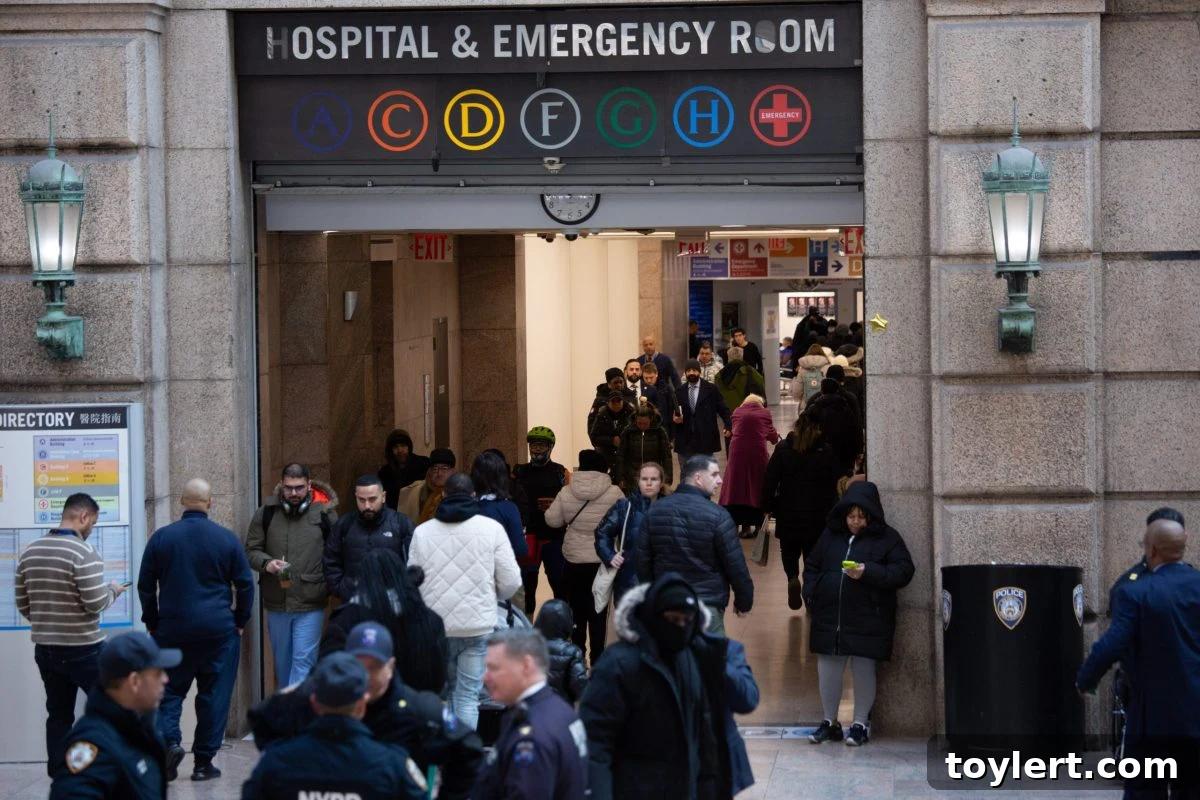
Medicaid, the joint federal-state program providing health coverage to low-income adults, children, pregnant women, elderly adults, and people with disabilities, stands as one of the largest beneficiaries of federal aid in New York. The state’s Medicaid program is extensive, covering millions of residents and supporting a vast network of hospitals, clinics, and long-term care facilities. Any substantial reduction in federal Medicaid contributions would force New York to either dramatically scale back services, find alternative funding sources – potentially through increased state taxes – or cut funding from other critical areas. The consequences could be dire: diminished access to essential medical care, increased uncompensated care costs for hospitals, and a potential public health crisis for the state’s most vulnerable populations. Such cuts could also severely impact the healthcare industry, a major employer in New York, leading to job losses and reduced capacity at a time when robust healthcare infrastructure is more critical than ever.
SNAP (Food Stamps): Addressing Food Insecurity
The Supplemental Nutrition Assistance Program (SNAP), commonly known as food stamps, provides vital food assistance to low-income individuals and families. For New Yorkers struggling with food insecurity, SNAP benefits are often the primary means of putting food on the table. Federal cuts to SNAP would directly reduce the purchasing power of these households, leading to increased hunger, malnutrition, and heightened reliance on already strained food banks and charitable organizations. The economic ripple effect would also be significant, as reduced SNAP spending means less money circulating through local grocery stores and food retailers, potentially impacting jobs and local economies that depend on consumer spending.
Housing Assistance: Battling the Affordability Crisis
New York, particularly New York City, grapples with a persistent and severe affordable housing crisis. Federal programs like Section 8 housing vouchers, public housing operating subsidies, and various homeless assistance initiatives play a crucial role in providing safe, stable, and affordable housing options for hundreds of thousands of residents. Cuts to these programs would exacerbate homelessness, increase housing instability, and push more families into precarious living situations. It would also place immense pressure on state and city agencies already struggling to address the housing crisis with limited resources, potentially undermining years of efforts to expand affordable housing stock and support vulnerable tenants.
Wider Economic and Social Repercussions
The proposed federal spending cuts are not isolated events; their effects would cascade throughout New York’s economy and social infrastructure, creating a ripple effect that could be felt for years.
Budgetary Black Holes: State and City Fiscal Strain
The tens of billions of dollars in lost federal aid would create unprecedented holes in both the state and city budgets. New York State, which typically relies heavily on federal contributions for a significant portion of its overall spending, would be forced to make difficult decisions. Options might include raising state taxes, imposing new fees, or drastically cutting state-funded programs and services. For New York City, the impact would be equally devastating. The city’s budget, already strained by various factors, would face immense pressure to either absorb the federal funding shortfall – a near impossibility without massive local tax increases – or to reduce funding for essential municipal services such as education, public safety, sanitation, and transportation. This could lead to larger class sizes, fewer police officers, reduced public transportation services, and a decline in the overall quality of life for city residents.
Job Losses and Economic Downturn
Many sectors in New York, especially healthcare, social services, and public administration, are heavily subsidized by federal funding. Significant cuts could lead to widespread job losses in these critical areas. Hospitals might lay off staff, social service agencies could reduce their workforce, and local governments might need to implement hiring freezes or even layoffs. This reduction in employment would not only directly affect thousands of families but also contribute to a broader economic slowdown, decreasing consumer spending and business investment throughout the state.
Increased Inequality and Poverty
The programs targeted for cuts disproportionately benefit low-income individuals, families, and marginalized communities. Reductions in Medicaid, food stamps, and housing assistance would inevitably lead to increased poverty rates, exacerbate existing inequalities, and widen the gap between the affluent and the struggling. Non-profit organizations and community groups, which often step in to fill gaps in public services, would face overwhelming demand with potentially fewer resources, creating a humanitarian challenge of significant scale.
The Political Landscape and Future Outlook
The debate surrounding these proposed federal cuts is highly contentious, reflecting fundamental disagreements about fiscal policy, the role of government, and federal-state responsibilities. Proponents of the cuts often argue for fiscal discipline, reduced national debt, and the belief that tax cuts stimulate economic growth that eventually benefits everyone. They might also suggest that states should take on greater responsibility for funding these programs.
However, New York’s political leaders and a broad coalition of advocacy groups are expected to vehemently oppose such measures. They will likely argue that these cuts would disproportionately harm New York, which is a net contributor to the federal government (meaning New Yorkers often pay more in federal taxes than the state receives back in federal aid). They would emphasize the critical importance of these programs for public health, safety, and economic stability, framing the cuts as an attack on vulnerable populations and the state’s ability to function effectively.
The coming months will likely see intense lobbying efforts, public awareness campaigns, and political negotiations as New York attempts to mitigate the potential damage. The ultimate outcome of these budgetary discussions in Washington will not only determine the financial health of New York State and City but also set a precedent for federal-state relations and the future of social welfare programs across the nation. The stakes are undeniably high, demanding careful consideration and proactive engagement from all stakeholders to protect the well-being and prosperity of millions of New Yorkers.