Exploring Brooklyn’s Dynamic Heartbeat: Culture, Community, and Urban Evolution
Brooklyn, a borough renowned for its distinctive neighborhoods, rich cultural tapestry, and unwavering community spirit, continually presents a captivating narrative of urban life. From the historic amusements of Coney Island to the bustling streets of Park Slope and the serene brownstones of Cobble Hill, Brooklyn is a microcosm of New York City’s diverse soul. It’s a place where tradition meets innovation, where local challenges are met with collective resilience, and where the everyday stories of its residents weave together to form a vibrant, living history. This article delves into various facets of Brooklyn’s contemporary landscape, drawing insights from recent local developments and community discussions, showcasing the borough’s enduring appeal and the active engagement of its inhabitants in shaping its future.
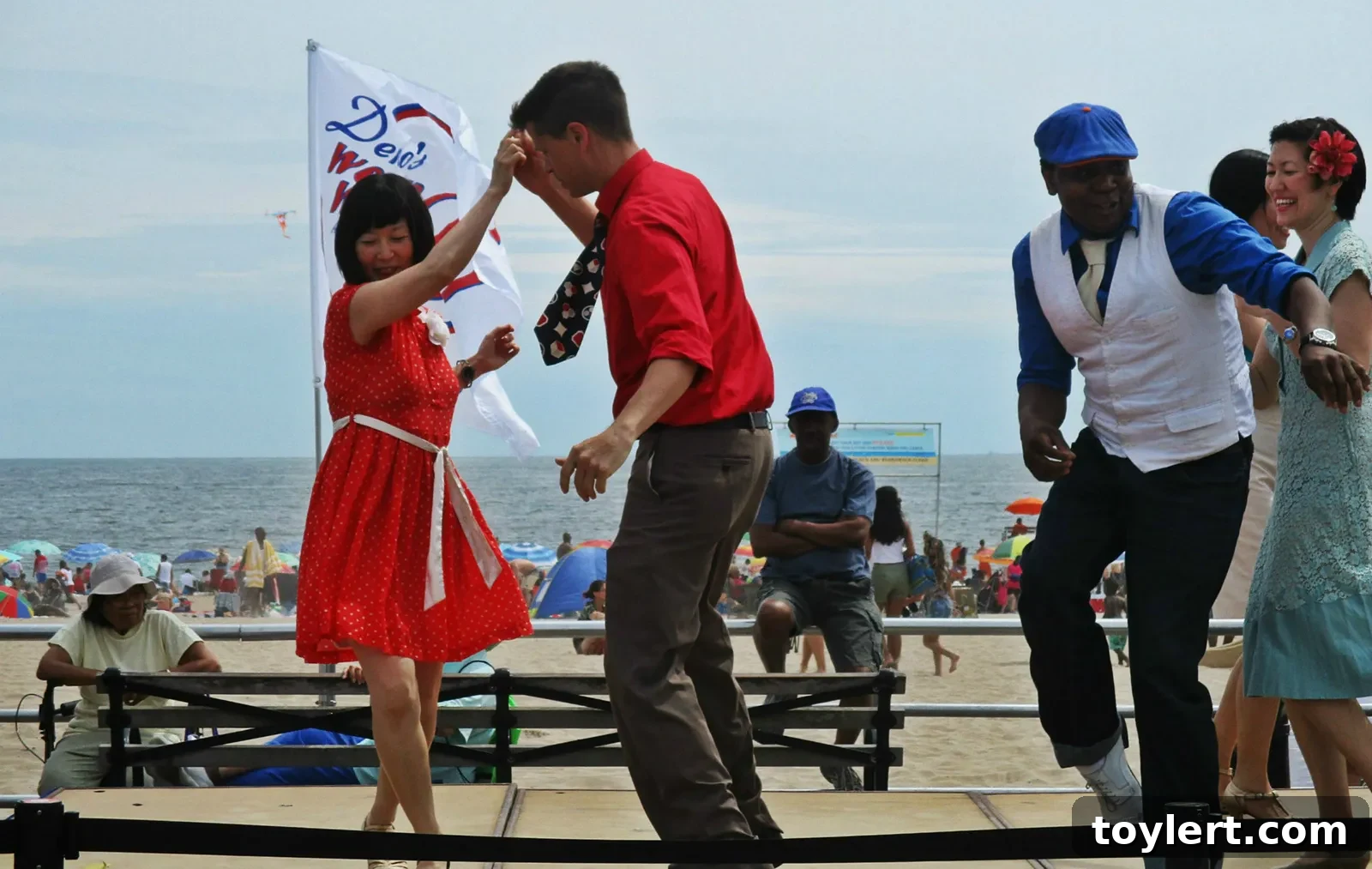
The iconic image of a swing dance in Coney Island perfectly encapsulates the lively and spirited essence of Brooklyn. More than just a dance, it represents the borough’s enduring commitment to fostering vibrant community spaces and celebrating cultural heritage. Coney Island itself is a legendary destination, a place where generations have sought joy and escape. Its beaches, boardwalk, and amusement park rides are synonymous with summer fun and nostalgic charm. Yet, Coney Island is also a hub of modern innovation and community empowerment, continuously evolving to meet the needs of its residents.
Coney Island: A Nexus of Entertainment and Community Advancement
Coney Island’s vibrant atmosphere, as hinted by the swing dance photograph, extends beyond its historical role as an amusement park mecca. Today, it stands as a testament to ongoing community development and cultural enrichment. A remarkable example of this progressive spirit is the launch of a Professional TV Studio within the Coney Island Library. This initiative is far more than just a new facility; it represents a significant step forward in providing residents with access to modern media tools and educational opportunities. The studio empowers locals to learn professional-grade video production, storytelling, and digital content creation, bridging the technological gap and fostering a new generation of local media producers. It allows community members to share their stories, document local events, and engage in meaningful dialogue, thereby strengthening the social fabric of Coney Island. This endeavor not only promotes media literacy but also cultivates a space for artistic expression and professional skill development, illustrating how public libraries are transforming into dynamic community hubs in the digital age. The studio serves as a powerful resource for local artists, activists, and small businesses, enabling them to amplify their voices and connect with broader audiences, truly embedding the spirit of innovation within the community’s heart.
Navigating Urban Infrastructure and Development: The Squibb Bridge Conundrum
Urban development in Brooklyn is a continuous narrative of ambitious projects, community aspirations, and the occasional complex challenge. One such challenge has been the prolonged saga of the Squibb Park Bridge. As reported, Electeds Seek Answers on Squibb Bridge, Now Closed One Year, highlighting a significant point of frustration for both local residents and visitors. Designed to be an elegant and environmentally friendly pedestrian link connecting Brooklyn Heights to the magnificent Brooklyn Bridge Park, the wooden, bouncy bridge quickly became a beloved feature. However, unforeseen structural issues led to its closure, sparking widespread concern and debate. The closure of the Squibb Bridge underscored critical questions regarding urban planning, infrastructure maintenance, and accountability in large-scale public works projects. For a community that cherishes its public spaces and waterfront access, the bridge’s inaccessibility represented a tangible loss. It forced residents to take longer, less direct routes to access one of the city’s most spectacular parks, impacting daily routines and recreational activities. The ongoing efforts to understand and rectify the bridge’s problems reveal the complexities inherent in modern urban infrastructure—balancing innovative design with long-term functionality and public safety. This incident serves as a crucial reminder of the importance of meticulous planning, robust engineering, and transparent communication throughout the lifecycle of public infrastructure, ensuring that such vital community assets serve their intended purpose without prolonged interruption and continue to enhance urban connectivity.
The Resilient Fabric of Brooklyn Neighborhoods: Local Stories and Shared Experiences
Brooklyn is a collection of distinct neighborhoods, each with its own character, history, and community dynamics. The headlines often capture moments that highlight both the challenges and the remarkable resilience of these close-knit communities. These stories, ranging from tragic incidents to proactive community engagement, paint a comprehensive picture of life in this bustling borough.
Community Response to Adversity: The Ocean Avenue Fire
In Sheepshead Bay, a community known for its vibrant waterfront and diverse population, an incident like the Fire on Ocean Avenue Scorches Medical Center can send ripples of concern throughout the neighborhood. Such events, while tragic, often bring out the best in a community. The immediate aftermath of a fire involves not only the heroic efforts of firefighters and emergency services but also the quick response of neighbors offering support and assistance. The damage to a medical center, in particular, affects the accessibility of crucial health services for residents, potentially disrupting care for many. This type of incident underscores the importance of robust community support systems and efficient disaster response mechanisms. It reminds us of the fragility of urban structures and the vital role of local services, but also of the innate human desire to help one another. The recovery process from such events often involves collective efforts to rebuild, reflecting the enduring strength and unity that characterize Brooklyn’s diverse communities. These moments of crisis highlight the underlying strength and resilience that often go unnoticed in the daily hustle of city life, showcasing how adversity can forge stronger community bonds and emphasize the value of local resources and support networks.
Grieving Together: The Cobble Hill Tragedy
The profound impact of local tragedies on a community is often deeply felt. The news that Cobble Hill Locals Mourn Shop Owner Killed on Atlantic Avenue speaks volumes about the intimate connections within Brooklyn’s neighborhoods. Cobble Hill, with its tree-lined streets and historic brownstones, prides itself on its strong sense of community and local businesses that often feel like extensions of the neighborhood family. The loss of a beloved shop owner is not just the loss of a business figure; it’s the loss of a familiar face, a neighbor, and often a pillar of the local economy and social scene. Such an event evokes a collective sense of grief, shock, and a powerful desire for justice and healing. It prompts residents to come together, to share memories, and to reinforce their commitment to supporting one another. The response to such a tragedy often includes vigils, memorial services, and community discussions aimed at understanding, processing, and moving forward. These moments, while painful, highlight the deep bonds that exist between residents and their local establishments, underscoring how integral these small businesses and their owners are to the unique charm and vitality of Brooklyn’s neighborhoods. They also serve as a poignant reminder of the preciousness of life and the importance of fostering safe, supportive environments where everyone feels a sense of belonging and security.
Shaping the Future: Community Input in Urban Planning
Brooklyn’s evolution is not solely driven by top-down decisions; it’s heavily influenced by the active participation of its residents. Community engagement in urban planning is a cornerstone of democratic city life, allowing local voices to shape their immediate environments.
Rethinking Urban Mobility: Park Slope CitiBike Initiative
A prime example of community-led urban planning is the initiative to Help Decide Where Park Slope CitiBikes Should Be Located. CitiBike, New York City’s bike-sharing program, has transformed urban mobility, offering a convenient and sustainable alternative for commuting and recreation. However, integrating a new transportation network into established neighborhoods like Park Slope requires careful consideration and extensive community consultation. Residents have a vested interest in the placement of docking stations, considering factors such as sidewalk accessibility, impact on local businesses, traffic flow, and aesthetic appeal. This process of seeking public input ensures that new infrastructure projects are not only functional but also harmoniously integrated into the existing urban fabric. It reflects a collaborative approach where city planners work alongside residents to find optimal solutions that benefit the entire community. Discussions surrounding CitiBike placement often involve balancing the benefits of increased mobility and reduced carbon footprint against potential disruptions to neighborhood character or daily life. This participatory planning model empowers residents, fostering a sense of ownership and ensuring that urban development genuinely serves the needs and preferences of those who live and work in these dynamic Brooklyn neighborhoods. Such initiatives are crucial for sustainable urban growth, ensuring that progress enhances, rather than detracts from, the quality of life for its citizens.
The Enduring Spirit of Brooklyn
From the festive swing dances of Coney Island to the intricate debates over urban infrastructure like the Squibb Bridge, and from moments of community grief to proactive planning efforts for CitiBike stations, Brooklyn consistently showcases its multifaceted identity. It is a borough defined by its rich history, its vibrant present, and its actively shaped future. The stories emanating from its diverse neighborhoods, whether of innovation at a library TV studio, resilience in the face of tragedy, or collective action in urban planning, underscore a powerful truth: Brooklyn is a living entity, constantly evolving through the efforts and spirits of its people. Its communities are not just geographic locations; they are dynamic networks of individuals who care deeply about their surroundings and are committed to creating a better place for all. This blend of tradition and modernity, challenge and triumph, forms the unique and enduring heartbeat of Brooklyn, a place that continues to captivate and inspire. The active engagement of its residents in every aspect of borough life ensures that Brooklyn remains one of the most exciting, culturally rich, and community-focused urban centers in the world, forever writing new chapters in its compelling narrative of urban excellence and shared experience.
Photo by Robert S via Flickr