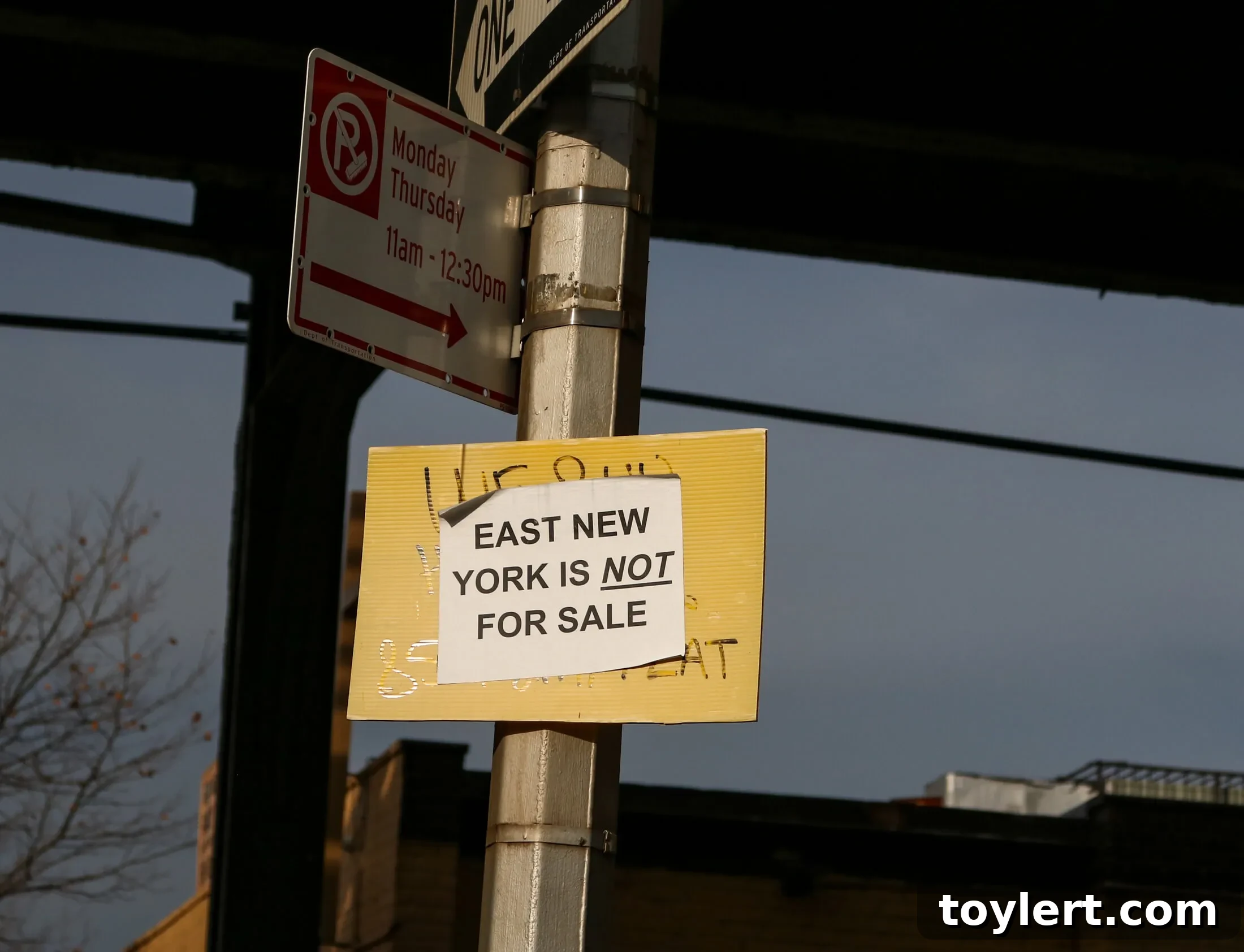
In a crucial convergence of community advocacy and urban policy, the city’s Racial Justice Commission convened its final public input meeting for Brooklynites at the Brooklyn Museum. This pivotal Monday night event quickly transformed into a powerful display of organizing strength, as speaker after speaker from various community groups passionately urged the commission to take decisive action. The resounding calls focused on two primary demands: proposing a ban on the contentious tax lien sale mechanism and prioritizing Community Land Trusts (CLTs) in the city’s allocation and dispensation of public land. This gathering underscored the deep-seated concerns within Brooklyn communities regarding systemic inequalities embedded within existing urban development and property ownership frameworks.
The Racial Justice Commission, established earlier this year with a mandate to meticulously identify areas within city law that perpetuate structural racism, is tasked with recommending comprehensive charter revisions to address these injustices. As the commission incrementally approaches the crucial phase of proposing its final charter amendments for the November 2022 ballot, community voices are amplifying their perspectives on how best to achieve genuine racial equity. Members of the East New York Community Land Trust (ENY CLT) emerged as a particularly strong and unified front at the meeting. One by one, representatives from ENY CLT approached the commissioners, delivering compelling testimonies that echoed a shared message. They unequivocally framed the current practices of transferring vacant public land to private developers and selling distressed property tax debt to private investors as prime examples of institutional racism, meticulously “baked into” the city’s foundational laws and practices. This direct challenge to existing urban policies highlights a community-driven movement advocating for a radical reorientation of land use and property management in New York City.
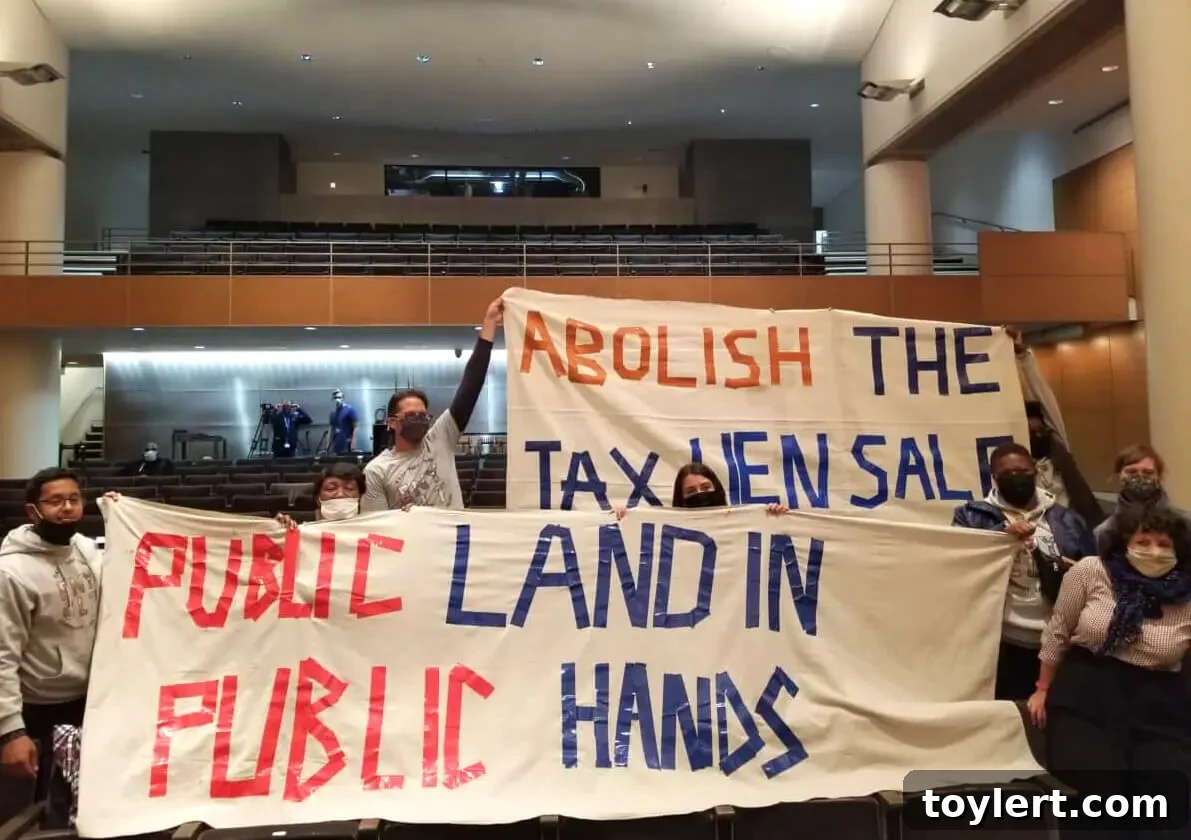
The testimonies presented offered a stark illustration of the human cost associated with current city policies. Izoria Fields, a lifelong resident of East New York and the vice president of ENY CLT, delivered particularly poignant testimony to the Commission, encapsulating the urgent crisis facing her community. “As it stands,” Fields articulated, “long-term Black residents of East New York and Brownsville are being systematically displaced due to speculative investment by for-profit developers with no ties to the community, and most do not give back to our community in a meaningful way.” Her words painted a vivid picture of neighborhoods undergoing rapid demographic and economic shifts, driven by external interests rather than the needs of long-standing residents. This displacement, she emphasized, is not accidental but a systemic outcome of policies that prioritize profit over people and community stability.
The core of ENY CLT’s plea, eloquently articulated by Fields and others, centered on proactive, systemic change. “We implore you,” she continued, addressing the commissioners directly, “to lead the way in adjusting the Charter to prioritize transferring public land to community land trusts and fight to revamp the tax lien sale process in a manner which helps protects us and our neighbors.” This dual demand represents a comprehensive approach to combating racial injustice in housing and land ownership. It seeks to not only halt detrimental practices like the current tax lien sales but also to proactively establish a more equitable and community-centric model for land stewardship through the promotion of CLTs. The urgency of their call underscores the belief that minor adjustments are insufficient; instead, bold revisions to the city’s foundational charter are necessary to dismantle structural racism and foster genuine equity.
Understanding the intricacies of the tax lien sale process is crucial to appreciating the community’s fervent opposition. A tax lien sale involves the city selling overdue property tax debts to private investors. While ostensibly designed to recover municipal revenue, critics argue that in practice, it often disproportionately targets vulnerable homeowners, particularly in Black and Brown communities. Homeowners struggling with temporary financial hardship can find themselves facing aggressive collection tactics from these private entities, ultimately risking foreclosure and displacement from their homes for relatively small debts. This process not only destabilizes families and neighborhoods but also contributes to the erosion of generational wealth, which is often tied up in homeownership. The transfer of these liens to private hands shifts power away from the city and towards investors whose primary motive is profit, often at the expense of community well-being. A ban, or at least a radical revamp, is seen as essential to protect long-term residents from predatory practices and preserve affordable housing options.
Conversely, Community Land Trusts (CLTs) offer a stark alternative and a beacon of hope for communities seeking self-determination and permanent affordability. A CLT is a non-profit organization that acquires and holds land in trust for the benefit of a community. It separates ownership of the land from ownership of the buildings on it. This innovative model allows residents to own their homes (or other structures) while leasing the land from the CLT through a long-term, renewable ground lease. This structure ensures that housing remains permanently affordable across generations, insulating it from speculative market forces. By prioritizing the transfer of public land to CLTs, the city could empower communities like East New York and Brownsville to develop and manage their own housing and community assets, ensuring that new developments genuinely serve existing residents and prevent displacement. CLTs embody the principle of community control, allowing residents to shape their neighborhoods according according to their own needs and values, rather than being subjected to the whims of the private development market.
The call to action from the East New York Community Land Trust and other advocates is more than just a plea for specific policy changes; it is a demand for a fundamental rethinking of how urban resources, particularly land, are managed and distributed. It challenges the prevailing narrative that private development is the sole driver of progress and argues for an alternative vision where community stewardship and racial equity are paramount. The Commission’s recommendations, due for the November 2022 ballot, hold the potential to reshape New York City’s urban landscape for decades to come. By addressing the systemic issues that lead to displacement and wealth extraction, the city has an opportunity to move towards a more just and equitable future. The passionate testimonies heard at the Brooklyn Museum meeting serve as a powerful reminder that true racial justice necessitates concrete action to dismantle discriminatory policies and uplift historically marginalized communities.
The unified voice emanating from the Brooklyn Museum that evening was a clear signal to the Racial Justice Commission: the time for incremental change is over. Residents of East New York, Brownsville, and beyond are demanding foundational shifts in how the city operates, particularly concerning land use and economic development. By advocating for a ban on the predatory tax lien sales and championing the transformative potential of Community Land Trusts, these groups are not just reacting to injustice; they are proactively presenting solutions that can foster genuine community wealth, ensure housing stability, and build a truly equitable city. The ball is now firmly in the Commission’s court, and the eyes of Brooklyn’s communities, striving for justice and dignity, are watching intently, hopeful for a future where city laws genuinely protect and empower all its residents.