Building a Resilient Future: Red Hook’s Integrated Flood Protection System Takes Shape
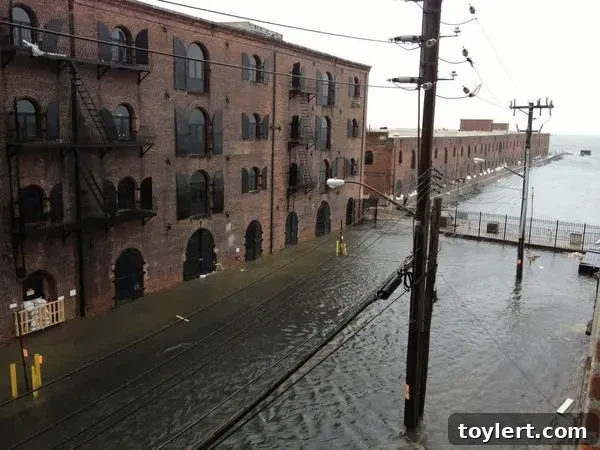
In a critical stride towards safeguarding one of Brooklyn’s most vulnerable waterfront communities, New York City and State have officially launched a comprehensive initiative to design an integrated flood protection system for Red Hook. This ambitious project underscores a profound commitment to urban resilience in the face of escalating climate challenges, particularly after the devastating impacts of past events like Hurricane Sandy. The joint effort aims not only to mitigate future flood risks but also to bolster the long-term economic and social vitality of this historic neighborhood.
A United Front: City and State Drive Red Hook’s Resilience Effort
The urgency of protecting coastal areas has never been clearer, and Red Hook stands as a prime example of a community continually exposed to the threats of storm surges and rising sea levels. Recognizing this imperative, Governor Cuomo and Mayor de Blasio recently issued a joint press release, announcing a formal Request for Proposals (RFP). This RFP invites specialized firms to undertake the pivotal study and design phase for an advanced flood protection system, marking a significant milestone in New York’s broader climate adaptation strategy.
The collaboration between state and city leadership on such a critical infrastructure project sends a strong message about the priority placed on community safety and urban resilience. Both administrations have already pledged a substantial $100 million in combined city and state funding to jumpstart the flood protection efforts. This initial investment covers the crucial planning and design stages, ensuring that the foundation for a robust and effective system is meticulously laid. The overarching vision for this project, encompassing the complete construction phase, is estimated to cost approximately $200 million. This significant financial commitment reflects the scale of the challenge and the projected long-term benefits for the community, promising a substantial return on investment in terms of saved property, livelihoods, and peace of mind.
Protecting the Heart of Red Hook: Scope and Impact
The proposed integrated flood protection system is designed to shield a vast area of Red Hook, covering an estimated 370 acres. This critical zone includes the extensive Red Hook Houses — one of the largest public housing developments in Brooklyn — alongside numerous other key buildings and vital infrastructure that fall within the vulnerable 100-year floodplain. The comprehensive nature of this protection aims to secure not only residential areas but also the commercial hubs, industrial zones, and transportation networks that are essential to the neighborhood’s function and economy. Such broad coverage is crucial for a community with diverse needs, ensuring that all facets of Red Hook life are considered in the defense strategy.
For the residents of Red Hook Houses, particularly, this project represents a beacon of hope and a promise of greater security. These communities bore the brunt of Hurricane Sandy’s fury, experiencing widespread flooding, prolonged power outages, and severe disruptions to daily life. The memory of those events serves as a constant reminder of the urgent need for preventative measures. By protecting these critical residential areas, the project endeavors to prevent future displacement, minimize property damage, and ensure the continuous well-being of thousands of New Yorkers. Beyond the immediate physical protection, it aims to restore a sense of stability and peace of mind for those who have lived with the persistent threat of coastal inundation, empowering them with the confidence that their homes and futures are more secure.
An Integrated Vision: Multi-Layered Strategies for Enhanced Resilience
The term “integrated” is central to understanding the innovative approach being taken in Red Hook. This project envisions a multi-layered defense system, moving beyond simple seawalls to incorporate a range of dynamic and adaptable strategies. According to the press release, long-term flood protection may involve a sophisticated combination of elements designed to work in concert, creating a cohesive and comprehensive barrier against environmental threats:
- Partially Deployable Floodwalls: These are not static, imposing structures but rather flexible barriers that can be deployed during storm events and retracted when not needed. This innovative design minimizes visual impact, maintains precious waterfront access during normal conditions, and adapts to the fluctuating needs of the community. It ensures protection without permanently altering the beloved character of the neighborhood.
- Raised Development and Park Retrofits: Strategically elevating new constructions or existing vulnerable structures can significantly reduce their susceptibility to flooding, providing a fundamental layer of defense. Similarly, re-envisioning public parks to serve dual purposes – beautiful recreational spaces during dry periods and efficient water retention areas during heavy rainfall – offers a sustainable and aesthetically pleasing solution. These green infrastructure improvements can absorb excess stormwater, thereby reducing the strain on conventional drainage systems and promoting ecological balance.
- Street Raising: Elevating critical roadways not only ensures continuous access for emergency services and residents during flood events but also creates a higher ground plane that can help channel water away from sensitive areas. This crucial infrastructure enhancement is vital for maintaining connectivity, supporting efficient evacuation routes, and ensuring vital services can continue to operate even under challenging conditions.
- Resilient Building Retrofits and Redevelopment: Existing buildings in flood-prone zones will undergo assessments for potential retrofits, incorporating state-of-the-art flood-resistant materials and designs. Furthermore, future redevelopment projects will be mandated to adhere to the highest standards of flood resilience, ensuring that new constructions actively contribute to the overall protective envelope of the community, rather than adding to its vulnerability.
- Improvements to Drainage and Pumping Facilities: An effective flood protection system must also comprehensively address internal drainage issues. Enhancements to Red Hook’s existing drainage networks and the installation of advanced, high-capacity pumping stations will ensure that any water that does breach outer defenses or accumulates from heavy rainfall can be swiftly and efficiently removed, preventing localized flooding and waterlogging that can paralyze a community.
This holistic approach considers both external storm surges and internal stormwater management, creating a truly comprehensive defense against various flood scenarios. It represents a significant advancement in urban planning, moving towards solutions that are not only robust and effective but also seamlessly integrated into the urban fabric, enhancing rather than detracting from community life and aesthetics.
Collaborative Leadership and Community Empowerment
The success of such a monumental undertaking hinges on robust leadership and active, meaningful community involvement. The implementation of this project will be spearheaded by two key city entities: the Mayor’s Office of Recovery and Resiliency (MORR) and the NYC Economic Development Corporation (NYCEDC). MORR brings invaluable expertise in climate adaptation and disaster recovery, ensuring that the project aligns with the city’s broader resilience goals and leverages the latest scientific understanding. NYCEDC, with its focus on economic growth and urban development, will play a crucial role in overseeing the project’s execution, managing contracts, and ensuring that the infrastructure improvements also support local businesses and employment opportunities, creating a virtuous cycle of investment and community upliftment.
Crucially, the design of the final flood protection measures will not be a top-down process. Instead, it will be developed with significant input and assistance from the Red Hook NY Rising Community Reconstruction Planning Committee. This committee, formed in the immediate wake of Hurricane Sandy, comprises local residents, dedicated community leaders, innovative business owners, and other vital stakeholders who possess an intimate and unparalleled understanding of Red Hook’s unique needs, challenges, and aspirations. Their involvement ensures that the proposed solutions are not only technically sound and scientifically robust but also socially equitable, culturally sensitive, and deeply responsive to the community’s collective vision for its future. This collaborative model underscores the profound belief that true resilience is built from the ground up, with local voices shaping the very strategies that will protect their homes, livelihoods, and cherished neighborhood heritage.
Red Hook as a Model for Coastal Urban Resilience
The Red Hook flood protection initiative is more than just a local project; it serves as a powerful testament to New York City’s leadership in addressing global climate change challenges. As coastal cities worldwide grapple with the increasingly urgent realities of rising sea levels and more frequent extreme weather events, the innovative strategies developed and implemented in Red Hook could offer invaluable lessons and a practical blueprint for other vulnerable urban centers. This project exemplifies a proactive and forward-thinking approach to climate adaptation, recognizing that investing wisely in resilience today prevents far greater financial costs, social disruption, and human suffering tomorrow. It is a testament to foresight and responsible governance.
The long-term benefits extend far beyond simply preventing water intrusion. A resilient Red Hook will foster greater economic stability and predictability, actively encouraging businesses to invest, expand, and thrive without the constant specter of flood damage hindering their growth. It will significantly enhance public health and safety by reducing the risk of contamination, injury, and disease during and after storm events. Most importantly, it will reinforce the strong, vibrant community spirit that profoundly defines Red Hook, empowering residents with the enduring assurance that their homes, businesses, and cultural heritage are robustly protected for generations to come. This investment is not merely in concrete and floodwalls, but in the enduring spirit, future prosperity, and unwavering quality of life of a beloved Brooklyn neighborhood.
Looking Ahead: The Path to a Secure Future
With the Request for Proposals now officially issued, the next critical phase involves the meticulous selection of the most qualified firm to conduct the detailed studies and produce innovative, site-specific designs. This will be a rigorous and comprehensive process, involving extensive environmental assessments, sophisticated engineering analyses, and ongoing, meaningful community consultations. The design phase will delve into the precise specifics of each proposed measure, from the exact locations and technical specifications of deployable floodwalls to the seamless architectural integration of raised developments and aesthetically pleasing park retrofits, ensuring harmony with the existing urban landscape.
While the construction phase represents a significant future undertaking, the current commitment to thorough planning, robust analysis, and proactive community engagement lays a solid and robust foundation. The expectation is that this integrated approach will not only provide robust physical protection against the elements but also significantly enhance the overall quality of life, expand accessible green spaces, and improve vital connectivity within Red Hook. This project symbolizes a powerful and enduring commitment from New York City and State to forge a future where urban development and environmental resilience go hand-in-hand, creating stronger, safer, more vibrant, and truly sustainable communities for everyone who calls this dynamic neighborhood home.
The journey to a fully protected Red Hook is undeniably a complex one, yet with dedicated funding, strong and visionary leadership, and invaluable, sustained community input, the vision of a resilient waterfront neighborhood is steadily transforming from an ambitious plan into a tangible reality. This initiative is a beacon of hope, powerfully demonstrating what can be achieved when innovation, profound collaboration, and strategic foresight converge to effectively tackle the pressing and multifaceted challenges of our changing global climate.