Exploring Brooklyn’s Dynamic Landscape: Community, Culture, and Challenges
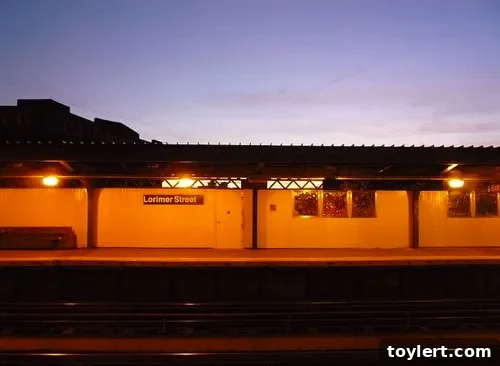
Brooklyn, New York City’s most populous borough, is a vibrant tapestry woven from diverse communities, rich history, and a relentless forward momentum. It’s a place where historic brownstones meet modern developments, where artistic innovation thrives alongside steadfast traditions, and where local challenges often spark incredible resilience. From its bustling subway stations, like the iconic Lorimer JMZ pictured here, to its quiet, tree-lined streets, Brooklyn encapsulates the multifaceted spirit of urban life. This borough is constantly evolving, grappling with complex issues ranging from social justice and public health to housing affordability and post-disaster recovery, all while nurturing its unique cultural identity. Understanding Brooklyn means delving into the stories that shape its present and hint at its future.
Photo by Frank10058
Community Voice and Social Justice
At the heart of Brooklyn lies its strong sense of community, often vocal in advocating for justice and fairness. The borough frequently finds itself at the forefront of crucial social discussions, including those surrounding police accountability and civil rights. A significant report highlighted this very issue when a Brooklyn man claimed police beat him and used anti-gay slurs. Such allegations invariably spark vital conversations within the community, drawing attention to the ongoing need for transparency, oversight, and respectful engagement between law enforcement and the diverse populations they serve. These incidents underscore the importance of protecting vulnerable groups and ensuring that all residents feel safe and respected, irrespective of their background or identity. The pursuit of justice remains a defining characteristic of Brooklyn’s social fabric, with residents and advocacy groups consistently working towards a more equitable society.
Alongside these critical social discussions, understanding Brooklyn requires acknowledging its demographic shifts. The borough has always been a melting pot, and its population dynamics continue to evolve. Notably, recent data indicates that the Jewish population in the New York region, including Brooklyn, has seen a significant increase. This growth not only reflects broader regional trends but also enriches Brooklyn’s already diverse cultural landscape, bringing new vitality to its neighborhoods and contributing to the borough’s unique identity. These demographic changes influence everything from local businesses and schools to political representation and community services, constantly reshaping the borough’s social and economic contours. Brooklyn thrives on this dynamic interplay of cultures and communities, making it a vibrant place to live and explore.
Community safety is another paramount concern, and Brooklynites are always encouraged to remain vigilant. While the borough boasts many close-knit neighborhoods, urban environments necessitate an awareness of potential risks. A cautionary tale from the NY Post warned that thieves were preying on Brooklyn residents who leave their doors open. This highlights a fundamental aspect of urban living: the need for collective awareness and personal responsibility in securing homes and fostering a safe environment. Such reports serve as important reminders for residents to take proactive measures to protect their property and contribute to the overall security of their neighborhoods. Promoting community watch programs and encouraging neighbors to look out for one another are essential strategies in maintaining Brooklyn’s cherished sense of security and mutual support.
Vibrant Culture, Arts, and Educational Initiatives
Brooklyn’s reputation as a cultural powerhouse is well-deserved, with a thriving arts scene that continually captivates residents and visitors alike. The borough is home to numerous galleries, theaters, and cultural institutions, each contributing to its unique creative energy. A prime example of this artistic dynamism was an exhibit where the spirits were back in force at the Brooklyn Museum, showcasing profound themes of life, death, and transformation. Such exhibitions not only provide intellectual and aesthetic enrichment but also reinforce Brooklyn’s position as a significant cultural hub. The Brooklyn Museum, in particular, stands as a beacon of artistic expression, continually pushing boundaries and offering diverse perspectives on art and human experience.
Beyond its iconic museums, Brooklyn fosters creativity through dedicated educational initiatives. Supporting the next generation of artists and musicians is crucial for maintaining the borough’s artistic vitality. A heartwarming example of this commitment came through a generous contribution: the Winehouse Foundation announced a gift to help Brooklyn Conservatory students. This philanthropic effort underscores the importance of accessible arts education, ensuring that aspiring musicians and artists have the resources and opportunities to hone their craft. Such investments in local institutions like the Brooklyn Conservatory of Music not only benefit individual students but also strengthen the borough’s cultural infrastructure, guaranteeing a vibrant future for the arts in Brooklyn.
The spirit of resilience and community extends to Brooklyn’s local businesses, particularly in areas still recovering from natural disasters. The borough’s entrepreneurial drive is often paired with a strong sense of local pride and mutual support. A touching video captured the inventiveness and determination of one such establishment, showing how the Red Hook Lobster Pound demonstrated its creative spirit by decorating in the dark following a power outage. This initiative not only showcased the ingenuity of local businesses in the face of adversity but also highlighted the enduring spirit of the Red Hook community. These small businesses are the lifeblood of Brooklyn’s neighborhoods, providing essential services, fostering local employment, and serving as gathering places that strengthen community bonds. Their ability to adapt and thrive, even in challenging circumstances, is a testament to the borough’s unwavering resilience.
Development, Economy, and Urban Challenges
Brooklyn’s appeal has led to unprecedented growth, creating both opportunities and significant challenges, particularly in its real estate market. The demand for living in this dynamic borough has skyrocketed, leading to a pressing issue: Brooklyn simply doesn’t have enough apartments for people who want to buy. This shortage fuels escalating housing prices, making homeownership increasingly out of reach for many long-time residents and newcomers alike. The scarcity of affordable housing for purchase and rent is a complex issue intertwined with gentrification, urban planning, and economic policies. Addressing this challenge requires innovative solutions, including increased development of diverse housing options, preservation of existing affordable units, and thoughtful zoning regulations to balance growth with community needs. The real estate landscape continues to be a central topic of discussion and policy-making in Brooklyn.
Beyond housing, Brooklyn faces significant institutional and economic challenges. Public institutions, vital for the well-being of its citizens, often operate under immense pressure. A critical audit revealed that SUNY Downstate Medical Center was in dire fiscal straits due to mismanagement. This news brought to light the precarious financial health of one of Brooklyn’s essential healthcare providers, underscoring the broader challenges faced by public hospitals and educational institutions. The fiscal stability of such entities is crucial for ensuring access to quality healthcare and education for Brooklyn residents. Discussions around responsible governance, efficient resource allocation, and sustained funding are essential to safeguard these vital community assets and ensure their long-term viability.
Large-scale urban development projects also shape Brooklyn’s economic and political landscape. These projects, while promising growth and revitalization, often come with scrutiny regarding their impact and the forces behind them. The Atlantic Yards Report provided a detailed look at Ratner’s campaign contributions, a developer prominently associated with the controversial Atlantic Yards/Pacific Park project. This kind of investigative reporting sheds light on the interplay between real estate development, political influence, and community interests. Transparency in campaign finance and development dealings is vital for public trust and ensuring that urban planning decisions genuinely serve the collective good of Brooklyn’s residents, rather than just private interests. These discussions highlight the ongoing tension between rapid urbanization and the desire to preserve community character and affordability.
Moreover, the recovery from major natural disasters like Hurricane Sandy continues to be an ongoing challenge for some of Brooklyn’s most vulnerable neighborhoods. Despite years passing, post-Sandy frustrations still existed for residents of the Red Hook Houses. This emphasizes the long-term impact of such events, especially on public housing communities, and the persistent need for sustained support and resources for recovery. The resilience of these communities is undeniable, yet their ongoing struggles highlight systemic issues in disaster preparedness, response, and equitable rebuilding efforts. Advocating for improved infrastructure, better community planning, and dedicated funding remains a priority for ensuring that all Brooklynites are protected and supported in the face of future challenges.
Defining the Brooklyn Identity
Brooklyn, in its essence, is a narrative of contrasts and evolving identities. It’s a borough that proudly defies simple categorization, often grappling with the very stereotypes imposed upon it. For instance, the infamous “Crash Liar” case, where a defendant reportedly claimed that a Brooklyn “hipster” lifestyle made him do it, offers a peculiar glimpse into how external perceptions can sometimes distort the complex realities of living in Brooklyn. While often romanticized or caricatured, the “hipster” label barely scratches the surface of the borough’s multifaceted cultural landscape. Brooklyn is far more than its trendsetting neighborhoods; it is a rich tapestry of working-class families, established ethnic enclaves, burgeoning artist communities, and vibrant business districts, each contributing to an identity that is fluid, resilient, and deeply authentic. This story, while anecdotal, underscores the public fascination with and occasional misinterpretation of what it truly means to be a Brooklynite.
In conclusion, Brooklyn stands as a testament to the enduring spirit of New York City. It is a borough defined by its dynamic energy, its unwavering commitment to community, and its continuous evolution. From addressing critical social justice issues and nurturing its vibrant arts scene to confronting significant urban development and economic challenges, Brooklyn consistently demonstrates its resilience and capacity for reinvention. It is a place where every corner holds a story, where historical roots intertwine with modern aspirations, and where the collective voice of its diverse residents shapes its unfolding narrative. Brooklyn is not merely a geographic location; it is a living, breathing entity, perpetually exploring new horizons while honoring its profound heritage, making it an endlessly fascinating and vital part of the global urban fabric.