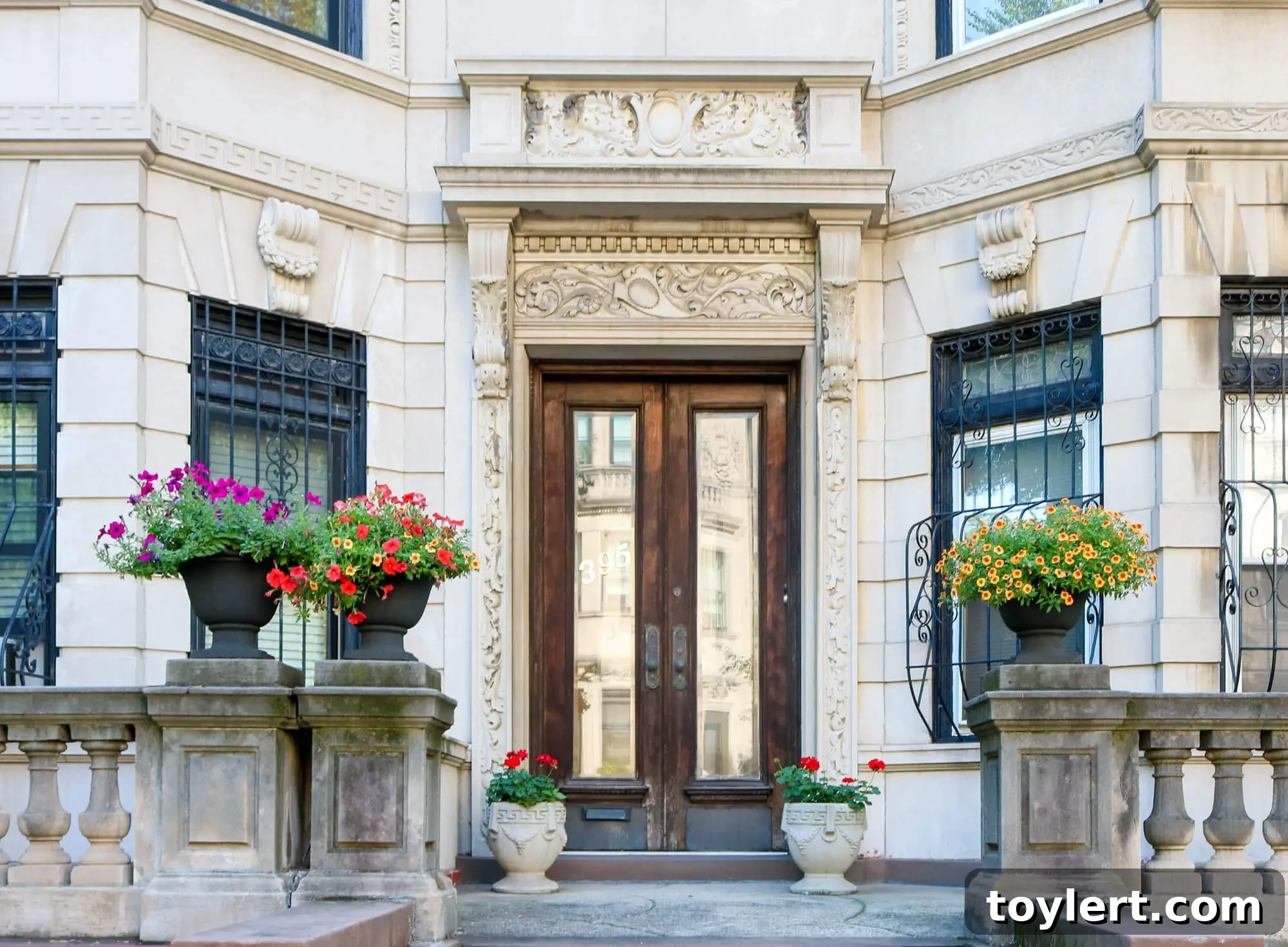
Discover Brooklyn: Real Estate, Development, and Community Insights
Brooklyn, a borough renowned for its vibrant culture, diverse neighborhoods, and dynamic real estate market, consistently finds itself at the forefront of urban development and community discourse. From innovative architectural projects shaping its skyline to critical discussions on housing equity and the preservation of its unique character, Brooklyn remains a focal point for residents and investors alike. This comprehensive overview brings together the most compelling narratives, development updates, and community insights shaping Brooklyn’s future, offering a deep dive into the trends and stories that define this iconic New York City borough. Explore the latest happenings, from significant real estate deals to cultural initiatives and community triumphs, all contributing to the ever-evolving tapestry that is Brooklyn.
Brooklyn in the Spotlight: Key Developments and Local News
- Residential, Hotel Developments Are Keeping Brooklyn Retail Alive [NYP]
- Brooklyn Landlord Hit With Lawsuit for Housing Discrimination [NYDN]
- Brooklyn Bridge Park’s Pierhouse Case Goes to Appellate Court on Friday [Eagle]
- Report: New Yorkers Should Have More Say Over Supertalls [Curbed]
- Midwest Chain HoneyBaked Ham Breaks Into Brooklyn [Eater]
- Cool Cats Seek to Name Williamsburg Bridge After Sonny Rollins [Gothamist]
- No, New Retail Space on Former Met Food Site Will Not Be a T.J. Maxx [PMFA]
- ODA’s Board-Formed Concrete Condos in Williamsburg Near Completion[NYY]
- Permits Filed to Replace Victorian With Apartments in Bushwick [NYY]
- Neighbors Score ‘Big Win’ From Park Slope Key Food Developer [DNA]
The intricate relationship between burgeoning residential and hotel developments and the sustained vibrancy of Brooklyn’s retail sector is a testament to the borough’s ongoing economic resilience. As new housing units introduce more residents and hotel projects attract a steady stream of tourists and business travelers, local businesses—ranging from charming boutique shops to essential service providers—find a robust and expanding customer base. This continuous influx of people energizes the street-level economy, acting as a crucial buffer against the retail vacancies that plague other urban areas. Many of these contemporary developments thoughtfully integrate ground-floor retail spaces, deliberately designed to weave new commercial opportunities into the existing fabric of established neighborhoods. This strategic planning ensures that Brooklyn’s unique retail landscape continues its evolution, adeptly adapting to modern demands while steadfastly preserving its distinctive local character. This symbiotic relationship critically underscores the role of well-considered urban planning in fostering sustainable growth and cultivating vibrant, walkable communities where both commerce and residential life can thrive in harmony.
In a compelling legal development that highlights persistent issues within New York City’s highly competitive housing market, a Brooklyn landlord has faced a significant lawsuit alleging housing discrimination. This case casts a critical light on the paramount importance of upholding fair housing practices and the comprehensive legal protections designed to ensure that all individuals possess equitable access to housing opportunities, irrespective of their background or legally protected characteristics. Such lawsuits serve as a powerful and unambiguous reminder to all property owners and management entities of their profound responsibilities under local, state, and federal anti-discrimination statutes. The resolution of these cases frequently carries broader implications, not only establishing new legal precedents but also influencing the subsequent enforcement of housing regulations throughout the entire borough. Community organizations and legal aid groups are often instrumental in supporting tenants who encounter discrimination, actively advocating for justice and vigorously promoting greater transparency and accountability within the rental market. This incident forcefully reiterates the ongoing necessity for continuous vigilance, education, and proactive measures to combat discriminatory practices and cultivate a genuinely inclusive and equitable housing environment across all of Brooklyn’s diverse neighborhoods.
The protracted legal saga surrounding the contentious Pierhouse development within Brooklyn Bridge Park has continued its journey through the complex judicial system, advancing to the appellate court for further review. This high-profile case has consistently served as a major flashpoint for a diverse coalition of community activists, ardent preservationists, and prominent developers, thereby raising profound fundamental questions about crucial issues such as public access to precious waterfront spaces, the appropriate scale and nature of private development situated within public parklands, and the delicate balance between securing necessary park funding mechanisms and safeguarding overarching community interests. The Pierhouse project, initially conceived to contribute significantly to the park’s financial self-sufficiency, has encountered vehement opposition primarily due to concerns over its substantial height and the potential for it to obstruct cherished public views, which has spurred extensive and costly legal challenges. The appellate court’s meticulous review holds considerable legal weight, as its ultimate decision could potentially set influential precedents that impact future development projects within public parks and shape broader urban planning and environmental justice debates not only across Brooklyn but throughout the entire city. This ongoing, gripping saga vividly illustrates the passionate and unwavering commitment of Brooklyn residents to diligently protect, meticulously preserve, and actively shape their beloved public green spaces for generations to come.
A recent and impactful report has significantly intensified the ongoing public debate surrounding New York City’s rapidly proliferating “supertall” skyscrapers, strongly advocating for a more substantial and meaningful level of community involvement in the crucial planning and rigorous approval processes for these colossal structures. The dramatic proliferation of supertalls, particularly within historically residential zones, has understandably ignited widespread concerns among many New Yorkers regarding their profound impact on established neighborhood character, vital access to sunlight, the strain placed upon existing public infrastructure, and the foundational democratic process of urban development. Critics vehemently argue that current zoning laws, which have frequently led to what has been termed an “accidental skyline,” consistently fail to adequately address the cumulative environmental and social effects of these towering buildings and do not sufficiently incorporate authentic public input. The report unequivocally emphasizes the urgent need for more transparent decision-making, comprehensive environmental impact reviews, and robust, inclusive community engagement mechanisms to ensure that all new developments genuinely serve the broader public interest and align cohesively with the long-term vision for the city’s sustainable growth. Empowering residents with a stronger and more influential voice in meticulously shaping their built environment is absolutely crucial for maintaining the livability, equity, and diverse character of New York City’s cherished neighborhoods.
Brooklyn’s universally renowned culinary scene, long celebrated for its eclectic mix of diverse and fiercely independent eateries, is now experiencing a new and intriguing dynamic with the recent arrival of the Midwest-based chain, HoneyBaked Ham. This notable expansion undeniably signifies a broader, evolving trend of national brands actively seeking to establish a significant presence in Brooklyn’s increasingly lucrative and culturally rich market. While Brooklynites have traditionally championed local, artisanal, and innovative food concepts, the strategic entry of well-established chains like HoneyBaked Ham clearly reflects the borough’s growing appeal and recognition as a premier consumer hub. This move could also implicitly indicate a subtle diversification in consumer preferences, revealing a viable market for both distinctive local establishments and familiar, comforting, and consistently reliable food options. The inherent challenge for such chains lies in their ability to integrate seamlessly and authentically into the local food landscape, which is often characterized by strong community ties, a deep appreciation for unique experiences, and a pronounced preference for authentic culinary narratives. It will be particularly interesting to observe how this iconic brand strategically adapts to and subsequently influences Brooklyn’s ever-evolving gastronomic identity, potentially attracting an entirely new segment of diners while successfully coexisting with the borough’s deeply beloved local culinary gems.
A burgeoning grassroots campaign is steadily gaining significant momentum among devoted jazz enthusiasts and passionate community advocates throughout Brooklyn, proposing the inspiring idea to rename the iconic Williamsburg Bridge after the legendary jazz saxophonist Sonny Rollins. This heartfelt initiative aims to profoundly honor Rollins, a true titan of jazz music who possesses deep historical and cultural ties to the borough, and to symbolically infuse this prominent piece of public infrastructure with rich artistic and cultural significance. Supporters of this compelling proposal passionately argue that naming such a prominent and recognizable landmark after an artist of his immense influence would not only serve as a fitting tribute to his enduring legacy but also magnificently celebrate Brooklyn’s incredibly rich musical heritage and its foundational contributions to global culture. Such community-driven proposals frequently spark broader and engaging conversations about how public spaces effectively reflect deeply held community values, important historical narratives, and celebrated artistic achievements. While the ambitious endeavor of renaming a major bridge inevitably involves navigating substantial administrative hurdles and fostering extensive public debate, the campaign powerfully highlights the enduring role that art and local history play in meticulously shaping collective identity. It represents a compelling and heartfelt effort to ensure that Brooklyn’s physical landscape also vividly tells the vibrant story of its unparalleled cultural past and its dynamic artistic present.
The considerable anticipation surrounding the development of a new retail space on the former Met Food site in a Brooklyn neighborhood has been met with a specific and clarifying announcement: the new establishment will definitively not house a T.J. Maxx. This piece of news, while seemingly minor in the grand scheme of urban development, holds significant implications for local communities, which often harbor strong preferences and express clear expectations regarding the specific types of businesses that are welcomed into their cherished neighborhoods. The former Met Food site, typically a prominent and easily accessible location, represents a valuable and strategic opportunity to introduce retail that genuinely complements the existing local economy and effectively serves the diverse needs of the community. Debates over the merits of national chains versus the preservation and promotion of independent local retailers, as well as the collective desire for diverse and unique shopping options, frequently emerge in such development contexts. This announcement suggests that developers and local stakeholders are likely engaged in a careful consideration of a range of alternative tenants that might better align with the nuanced character of the neighborhood or satisfy specific, identified retail demands. It profoundly underscores the active and influential role residents play in meticulously shaping the commercial landscape of their areas, vocally expressing their hopes, concerns, and visions for new developments.
The highly anticipated ODA-designed board-formed concrete condominiums situated at 190 South 1st Street in Williamsburg are rapidly nearing completion, marking a pivotal and significant milestone in the borough’s ongoing architectural evolution and luxury real estate offerings. ODA, an architecture firm globally renowned for its innovative, often audacious, and distinctly bold designs, has masterfully utilized a distinctive board-formed concrete technique. This specialized method imparts a unique, tactile texture and a compelling aesthetic to the building’s facade, expertly blending a raw, industrial appeal with sophisticated, modern residential living. This ambitious project is strategically poised to introduce a substantial number of new luxury residential units into Williamsburg’s highly competitive and dynamic real estate market, specifically catering to a discerning demographic seeking high-design homes within a vibrant, culturally rich urban setting. The imminent completion of such a prominent development distinctly reflects the continuous and dramatic transformation of Williamsburg into a premier hub for cutting-edge architecture, upscale living, and contemporary urban design, while simultaneously contributing significantly to the broader discussion surrounding urban density and design efficacy in rapidly gentrifying neighborhoods. Its impending opening will undoubtedly attract considerable attention from prospective buyers, real estate investors, and architecture enthusiasts alike, eager to witness this architectural statement.
In the vibrant and rapidly evolving neighborhood of Bushwick, permits have been officially filed to replace a historic Victorian-style residence with an entirely new complex of apartment units, signaling a continuing and profound shift in the neighborhood’s architectural identity and residential landscape. This specific development is strikingly emblematic of the broader trends of extensive redevelopment and increasing densification that are sweeping across Brooklyn, particularly evident in areas experiencing rapid population growth and a soaring demand for diverse housing options. While the construction of new buildings directly addresses the critical need for more living spaces, it simultaneously ignites important and often passionate conversations about crucial issues such as architectural preservation, the irreversible loss of unique historic structures, and the evolving character of established, cherished communities. The demolition of older, distinctive homes to make way for modern multi-unit buildings can frequently be a highly contentious issue for long-time residents and preservationists who deeply value the historical aesthetics and unique identity that define their neighborhood. This particular project in Bushwick vividly highlights the ongoing tension and complex balance between urban renewal, addressing housing supply shortages, and the collective desire to maintain the charm, heritage, and unique character that originally made Brooklyn’s diverse neighborhoods so incredibly appealing and sought-after.
Residents of the affluent and historically rich Park Slope neighborhood have recently achieved a truly significant victory in their intricate negotiations with the developer behind the proposed Key Food site redevelopment, powerfully illustrating the profound impact and undeniable efficacy of concerted community advocacy in meticulously shaping urban projects. This celebrated “big win” frequently encompasses securing crucial concessions from developers, such as binding agreements to include dedicated affordable housing units, to diligently preserve vital community amenities, or to substantially modify building designs to better integrate and align with the established neighborhood character. The Park Slope Key Food site, owing to its prominent location and potential for large-scale transformation, has been a central focal point for intense local debate, distinctly reflecting the community’s strong, collective desire to actively influence the future of their immediate living environment. Such successful outcomes powerfully underscore the paramount importance of organized neighborhood groups and their exceptional ability to engage effectively and strategically with both developers and city planners. These triumphs in negotiation often culminate in the realization of more equitable and community-friendly developments, thereby ensuring that new growth genuinely benefits existing residents and respectfully honors the established cultural and social fabric of the area. It stands as an inspiring, tangible example of how sustained collective action and unwavering determination can lead to significant and positive improvements in urban planning and neighborhood development.
Brownstoner’s Featured Narratives: Architecture, Lifestyle, and Culture
- See How 16 Designers Pulled Out All the Stops to Decorate a Brownstone for the Heights Showhouse
- Two-Family Romanesque Brownstone in Bed Stuy With Original Details Asks $2.3 Million
- Electronic Music Finds Spiritual Home in Brooklyn’s Churches
The highly anticipated annual Heights Showhouse offers an unparalleled and exclusive glimpse into the refined world of luxury brownstone living and groundbreaking interior design, magnificently showcasing the incredible talent and innovative visions of 16 distinguished designers. Each participating designer brought their unique creative vision and design philosophy to meticulously transform various rooms within a grand, historic Brooklyn Heights brownstone, brilliantly demonstrating how contemporary aesthetics can seamlessly and beautifully intertwine with classic architectural details. This prestigious event serves not only as a vibrant celebration of design prowess and artistic innovation but also as an invaluable educational opportunity, inspiring countless homeowners and passionate design enthusiasts with a wealth of creative solutions for thoughtfully renovating and elegantly decorating historic homes while respectfully honoring their intrinsic architectural character and historical integrity. The showhouse emphatically highlights the enduring appeal and timeless charm of brownstones and their remarkable capacity for sophisticated customization, further solidifying Brooklyn Heights’ esteemed reputation as a beacon of architectural elegance, design innovation, and historical preservation. It is an absolute must-see for anyone deeply interested in preserving the rich past while enthusiastically embracing the comforts and styles of modern living in one of Brooklyn’s most picturesque and historically significant neighborhoods.
A truly magnificent two-family Romanesque brownstone located in the heart of Bed Stuy, boasting an array of exquisite original details, recently entered the competitive real estate market with a substantial asking price of $2.3 million. This particular listing powerfully exemplifies the enduring allure, significant appreciation, and substantial value of Brooklyn’s cherished historic brownstones, especially within highly sought-after and rapidly gentrifying neighborhoods like Bedford-Stuyvesant. Romanesque Revival architecture, uniquely characterized by its robust masonry, distinctive rounded arches, and intricate stonework, offers a tangible glimpse into Brooklyn’s rich and storied past, reflecting an era of meticulous craftsmanship and architectural grandeur. Properties that proudly boast original, untouched details—such as pristine wide-plank hardwood floors, ornate and stately fireplaces, elegant pocket doors, and decorative moldings—are exceptionally coveted by discerning buyers actively seeking homes imbued with profound character, an authentic sense of history, and unparalleled architectural integrity. The dual-family layout further enhances its appeal, presenting an attractive investment opportunity that allows for potential rental income or flexible multi-generational living arrangements. This Bed Stuy brownstone is much more than just a residence; it represents a tangible piece of Brooklyn’s vibrant heritage, meticulously preserved and thoughtfully prepared for its next chapter, underscoring the borough’s dynamic and consistently appreciating real estate market for those who deeply cherish unique architectural gems and historical narratives.
In a truly fascinating and innovative convergence of the ancient and the avant-garde, electronic music has remarkably discovered a unique and “spiritual home” within the hallowed walls of Brooklyn’s historic churches, thereby creating an unexpected yet profoundly moving cultural phenomenon. Curated by visionary figures like Brian Sweeny, these transformative events meticulously repurpose sacred spaces—with their awe-inspiring soaring acoustics, majestic architectural grandeur, and deeply evocative atmospheres—into immersive and unforgettable venues for ambient and experimental electronic music performances. This creative and respectful adaptive reuse of religious architecture not only provides breathtaking and visually stunning backdrops for profound musical experiences but also breathes new and vibrant life into often underutilized community assets, fostering a renewed sense of purpose and engagement. It eloquently speaks to Brooklyn’s inherent innovative spirit, where artists, cultural organizers, and community leaders constantly seek novel and imaginative ways to engage with the urban environment and thoughtfully redefine traditional performance spaces. The compelling blend of ancient stone and cutting-edge modern sound creates a transcendent, almost ethereal experience, expertly bridging historical reverence with bold contemporary artistic expression. This burgeoning trend emphatically highlights Brooklyn’s incredibly vibrant arts scene, powerfully demonstrating its remarkable capacity to foster unique cultural dialogues and offer fresh, thought-provoking perspectives on urban entertainment, community engagement, and the creative potential inherent in architectural heritage.
Stay Connected with Brooklyn’s Pulse: For further insights, comprehensive comments, pressing questions, or exclusive insider tips on Brooklyn’s relentlessly ever-evolving landscape, feel free to reach out to our dedicated and knowledgeable team. Brownstoner is deeply committed to consistently bringing you the most relevant, engaging, and impactful stories from across this dynamic borough. Ensure you never miss a crucial update, a significant development, or an inspiring narrative by diligently following Brownstoner on our active and highly engaging social media channels. Join our vibrant community discussions on Twitter, immerse yourself in stunning visuals of Brooklyn’s iconic architecture, rich history, and diverse lifestyle on Instagram, and show your support by liking us on Facebook to stay thoroughly informed on all the latest news, crucial real estate trends, and captivating cultural happenings that collectively make Brooklyn truly unique and undeniably captivating. We thrive on community input and eagerly look forward to connecting with you and sharing more of Brooklyn’s compelling story! Email us directly at [email protected].