Mastering Skylight Heat: Effective Solutions for Cooler Stairwells
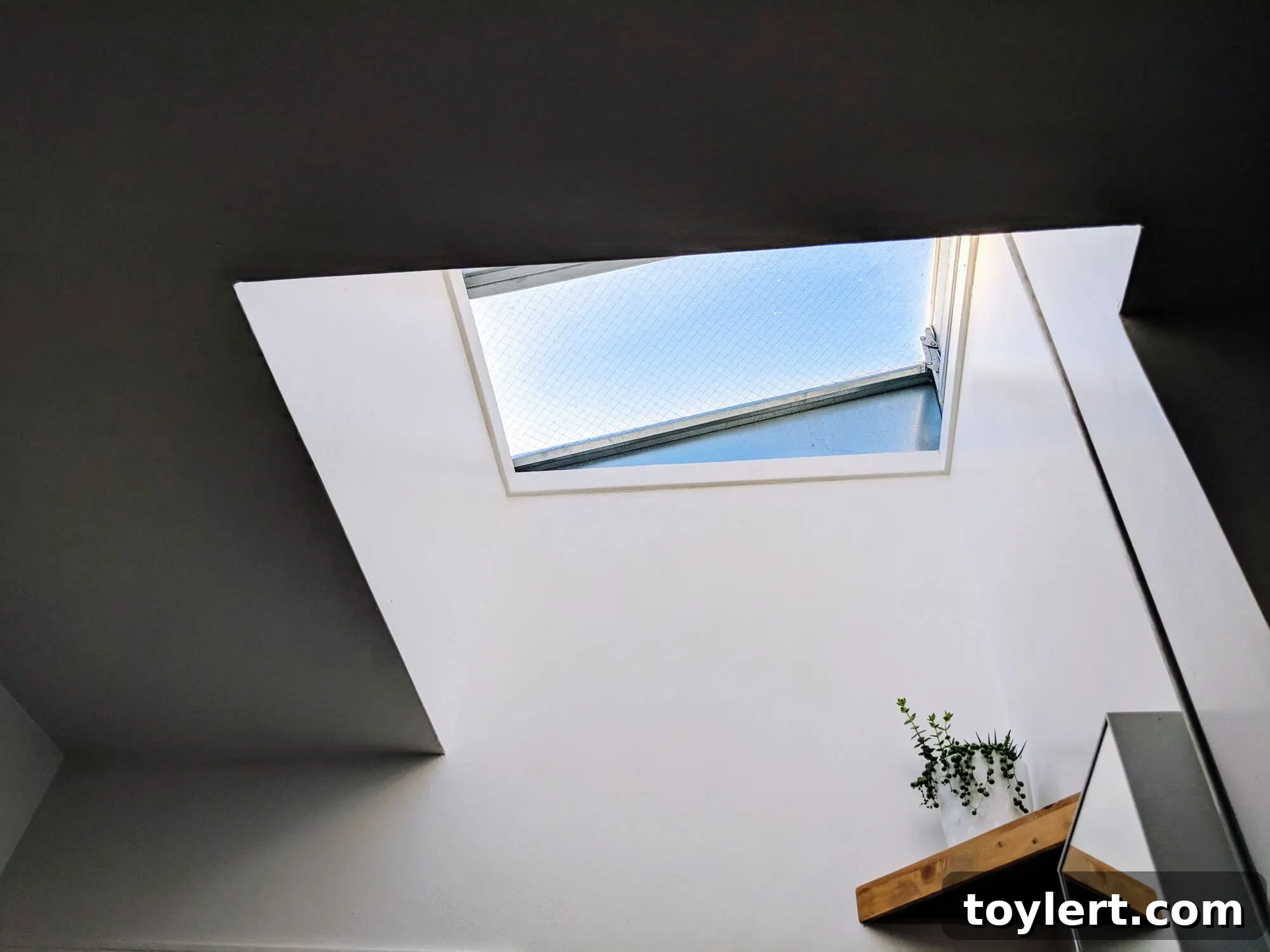
Stairwell skylights are celebrated architectural features, bathing interior spaces in natural light and creating an open, airy ambiance. However, this same cherished feature often presents a significant challenge, especially during the warmer months: unwanted heat gain. While the light is invaluable, the accompanying warmth can quickly elevate indoor temperatures, pushing air conditioning systems into overdrive and inflating energy bills. If your stairwell skylight is turning your home into a sun trap, even with existing insulation, you’re not alone. Homeowners across the globe are seeking practical, aesthetically pleasing, and cost-effective ways to mitigate this solar heat gain.
This comprehensive guide delves into a range of solutions, from simple window coverings to advanced structural modifications, designed to block excess heat from your stairwell skylight. We’ll explore various methods that homeowners have successfully implemented, helping you maintain a brighter, cooler, and more energy-efficient home without sacrificing the beauty of natural light.
Understanding the Skylight Heat Dilemma
The primary culprit behind increased indoor temperatures from skylights is solar radiation, often referred to as “solar gain.” Sunlight streaming through glass not only illuminates but also carries significant thermal energy. This energy, once inside your home, converts to heat, getting trapped and causing the ambient temperature to rise. While proper insulation in the surrounding roof structure helps prevent conductive heat transfer, it does little to stop direct solar radiation from passing through the skylight glass itself. Therefore, the focus must shift to methods that either reflect, absorb, or filter this incoming solar energy before it enters your living space.
Interior Solutions: Enhancing Your Skylight from Within
Interior window coverings offer a flexible and often more accessible approach to managing skylight heat. They are generally easier to install, maintain, and operate, making them a popular choice for many homeowners. They also provide light control and can add an aesthetic touch to your interior design.
1. Skylight Blinds and Shades
Perhaps the most common and versatile solution, blinds and shades for skylights come in a variety of styles, materials, and operating mechanisms.
- Cellular Shades (Honeycomb Blinds): These are exceptionally popular for their thermal properties. Composed of a series of honeycomb-shaped pockets, cellular shades trap air, creating an insulating barrier that significantly reduces heat transfer. They are available in various opacities, from light-filtering to blackout, and can be motorized for easy operation, especially crucial for high stairwell skylights. Their elegant design and wide color range make them a strong contender.
- Roller Shades: Simple, sleek, and effective, roller shades can be made from various fabrics, including solar screens designed specifically to block UV rays and reflect heat while still allowing some diffused light. Blackout roller shades offer maximum heat and light blockage, ideal for spaces where complete darkness is occasionally desired. Motorized versions are highly recommended for stairwell applications.
- Pleated Shades: Similar in appearance to cellular shades but without the honeycomb structure, pleated shades offer a clean, modern look. While they don’t provide the same level of insulation as cellular shades, certain materials can be highly effective at reflecting solar heat.
- Venetian Blinds: Less common for skylights due to operational complexities at an angle, but specialized versions exist. They offer excellent light and privacy control, allowing you to tilt slats to direct light and airflow. However, their heat blocking capabilities might be less than full-coverage shades.
- Roman Shades: While primarily decorative, Roman shades can be adapted for skylights. When made from thick, insulated fabrics, they can provide substantial heat blockage. They offer a softer, more traditional look but might be more challenging to operate manually on a high skylight.
Considerations for Interior Shades: Ease of access for manual operation is a major factor. For stairwell skylights, motorized options with remote controls, wall switches, or even smart home integration (timers, light sensors) are often indispensable. Material choice is also key: look for fabrics with reflective backings or high thermal resistance.
2. Window Films and Tints
An increasingly popular and often budget-friendly solution, specialized window films can be applied directly to the skylight glass. These films work by reflecting a significant portion of the sun’s solar energy before it can penetrate the glass. Options include:
- Solar Control Films: Designed to block UV rays and infrared heat, these films can dramatically reduce solar gain without noticeably altering the amount of visible light. They come in various tint levels, some nearly invisible, others offering a darker appearance.
- Low-E (Low-Emissivity) Films: These films have microscopic metallic layers that reflect heat. They are effective in both summer (reflecting heat out) and winter (reflecting heat back in), offering year-round energy savings.
Considerations for Window Films: Professional installation is often recommended to ensure a bubble-free, long-lasting application, especially on sloped or high skylights. While they are very effective at heat reduction, they are a permanent or semi-permanent solution and offer less flexibility in light control compared to operable blinds.
Exterior Solutions: Intercepting Heat Before It Enters
Exterior solutions prevent solar radiation from even reaching the skylight glass, offering superior heat reduction. However, they typically involve more complex installation and may require specific weather resistance.
1. Exterior Skylight Awnings and Shades
Similar to window awnings, these are specifically designed for skylights. They provide a physical barrier against direct sunlight, casting shade over the glass. Available in various materials and designs, some are retractable, allowing you to control their deployment based on the weather or season. They are highly effective at blocking heat and can also protect the skylight from harsh weather elements.
2. Exterior Solar Screens
These specialized screens are installed directly above or around the skylight. Made from durable, UV-resistant mesh materials, they allow some light to filter through while significantly blocking solar heat and glare. They are a good option for those who want heat reduction without completely sacrificing natural light. Some versions are retractable, offering seasonal flexibility.
3. Exterior Shutters
While less common for residential skylights, custom-made exterior shutters can offer robust protection against heat, glare, and even adverse weather. They are typically solid structures that can be closed over the skylight, providing maximum blockage. Their operation often requires manual intervention or robust motorized systems.
Considerations for Exterior Solutions: Durability and weather resistance are paramount. Installation can be more challenging and may require professional help, especially on steeply pitched roofs or high elevations. Maintenance involves periodic cleaning of debris. The aesthetic impact on your home’s exterior also needs to be considered.
Structural and Material Upgrades: Long-Term Thermal Performance
For those undertaking renovations or building new homes, or for homeowners willing to invest in a more permanent solution, upgrading the skylight itself can offer the most significant long-term benefits in heat management.
1. Upgrading to Energy-Efficient Skylights
Modern skylights are engineered with advanced glass technologies to minimize heat transfer. When replacing an old skylight or installing a new one, look for:
- Low-E (Low-Emissivity) Glass: This glass has a microscopically thin, transparent metallic coating that reflects infrared radiation (heat) while allowing visible light to pass through. It significantly reduces solar heat gain in summer and heat loss in winter.
- Double or Triple Glazing: Multiple panes of glass with inert gas (like argon or krypton) filled in between create insulating air pockets that reduce heat conduction.
- Tinted or Coated Glass: Some skylights come with factory-applied tints or specialized coatings designed to block specific wavelengths of solar radiation.
2. Well-Designed Light Wells
While your original post mentions the area above is well-insulated, the design of the light well itself can also influence thermal performance. A properly constructed and insulated light well minimizes thermal bridging and prevents heat from radiating into the stairwell from the surrounding roof structure, complementing the skylight’s performance.
Considerations for Structural Upgrades: This is generally the most expensive option but offers the most passive and maintenance-free solution for optimal thermal performance over the lifespan of your home. It’s an excellent choice during roof replacement or major renovation.
DIY and Budget-Friendly Options: Quick Fixes and Temporary Solutions
If you’re looking for a temporary fix or a solution that won’t break the bank, several DIY approaches can provide immediate relief.
- Reflective Materials: Temporarily taping reflective emergency blankets, aluminum foil, or Mylar sheets to the inside of the skylight can block a significant amount of heat. While not aesthetically pleasing for the long term, it’s highly effective for immediate relief.
- Temporary Cardboard or Foam Inserts: Cutting pieces of cardboard or rigid foam insulation to fit snugly into the skylight opening can provide a cheap, effective, albeit visually basic, barrier. These can be removed easily when more light is desired.
- Thick Fabric Panels: Hanging a thick, light-colored fabric panel (like an insulated curtain panel) from hooks around the skylight opening can absorb some heat and block direct sunlight. Ensure it’s secured safely, especially in a stairwell where it could become a hazard.
Considerations for DIY Solutions: These are best for short-term or emergency use. Safety is crucial – ensure materials are secured properly and do not pose a fire hazard. Aesthetics are often compromised.
Smart Home Integration: Automated Comfort
For ultimate convenience and efficiency, integrating your skylight shading into a smart home system can provide unparalleled control and energy savings.
- Motorized Shades with Sensors: Many high-end skylight shades come with motorization options that can be controlled via remote, wall switch, or a smartphone app. Integrating them with sun sensors can allow the shades to automatically close when direct sunlight is detected and open when the sun passes, optimizing light and heat control without manual intervention.
- Scheduled Operation: Smart home systems allow you to program shades to open and close at specific times of the day, aligning with sun patterns or your personal schedule.
- Voice Control: Integrate with popular smart assistants (Alexa, Google Assistant) for hands-free control.
Considerations for Smart Solutions: While providing maximum convenience, these options typically involve a higher initial investment for motorized hardware and smart home hubs. However, the long-term energy savings and enhanced comfort can justify the cost.
Choosing the Right Solution for Your Home
Selecting the best method to block heat from your stairwell skylight involves weighing several factors:
- Budget: Solutions range from a few dollars for DIY films to thousands for new energy-efficient skylights or custom exterior shades.
- Aesthetics: How important is it that the solution blends seamlessly with your home’s interior and exterior design?
- Effectiveness: How much heat reduction do you need? Some solutions are more potent than others.
- Light Control: Do you want to block all light, diffuse it, or have the flexibility to adjust it?
- Accessibility: How easy is it to reach and operate the skylight covering, especially in a high stairwell? Motorized options are invaluable here.
- Durability & Maintenance: Consider the lifespan of the product and how much upkeep it will require.
- Installation Complexity: Are you comfortable with DIY installation, or will you need professional assistance?
Given that the area above your stairwell is already well-insulated, the focus should primarily be on blocking solar radiation at the glass surface. For existing skylights, high-quality interior cellular shades with motorization, or professionally installed solar control films, offer excellent balances of effectiveness, aesthetics, and ease of use. For those considering replacement, an energy-efficient skylight with Low-E glazing is an unparalleled long-term investment.
Conclusion: Reclaiming Comfort and Efficiency
A stairwell skylight doesn’t have to be a source of discomfort and soaring energy bills. By understanding the mechanisms of heat gain and exploring the diverse array of solutions available, homeowners can effectively mitigate unwanted warmth. Whether you opt for interior shades that offer flexible light control, robust exterior coverings that stop heat before it enters, or advanced energy-efficient glass, there’s a solution tailored to every need and budget.
Investigate the options, consider your specific requirements for heat reduction, light control, and aesthetics, and take a proactive step towards transforming your stairwell into a cooler, more comfortable, and energy-efficient part of your home. Your air conditioning unit, and your wallet, will thank you.