Exploring Brooklyn’s Dynamic Landscape: Culture, Community, and Urban Evolution
Brooklyn, a borough renowned for its vibrant culture, diverse communities, and relentless spirit of innovation, stands as a microcosm of urban dynamism. From its bustling streets to its serene parks, Brooklyn continuously reinvents itself while holding onto its rich historical tapestry. This article delves into the various facets that define modern Brooklyn, exploring its thriving arts scene, the ever-evolving real estate market, ongoing community developments, and the crucial role of local businesses and social dialogue in shaping its identity. Join us as we uncover the stories that paint a picture of Brooklyn’s enduring appeal and complex challenges.
The Creative Heartbeat: Brooklyn’s Flourishing Arts and Culture Scene
Brooklyn has long been a beacon for artists, creatives, and performers, fostering an environment where innovation thrives. The borough’s cultural institutions play a pivotal role in showcasing both established and emerging talent, making arts accessible to a wide audience. The Brooklyn Museum, for instance, frequently highlights local artists and themes, celebrating the borough’s unique creative pulse. Exhibitions like “Crossing Brooklyn” are instrumental in bringing local talent to the forefront, offering residents and visitors alike a profound insight into the diverse artistic expressions that define the borough.
Beyond the grand institutions, Brooklyn’s independent theater scene adds another layer to its cultural richness. Venues such as the Bushwick Starr exemplify this spirit, providing a humble yet powerful platform for bold, experimental works. These spaces are more than just performance venues; they are incubators for new ideas, fostering a sense of community among artists and audiences. They challenge conventional narratives and push artistic boundaries, ensuring that Brooklyn remains at the cutting edge of contemporary performing arts. The energy radiating from these creative hubs is infectious, drawing people from all walks of life to experience the authentic, raw, and often thought-provoking cultural productions that are quintessential Brooklyn.
The dedication to nurturing local artistry is a hallmark of Brooklyn’s identity. From sprawling street art murals that transform urban landscapes into open-air galleries to intimate poetry readings in neighborhood cafes, the borough breathes creativity. This vibrant arts ecosystem not only enriches the lives of its residents but also serves as a significant draw for tourism, cementing Brooklyn’s reputation as a global cultural destination. It’s this blend of grand institutions and grassroots movements that makes Brooklyn’s artistic landscape truly unparalleled.
Decoding Brooklyn’s Real Estate Market: Trends and Transformations
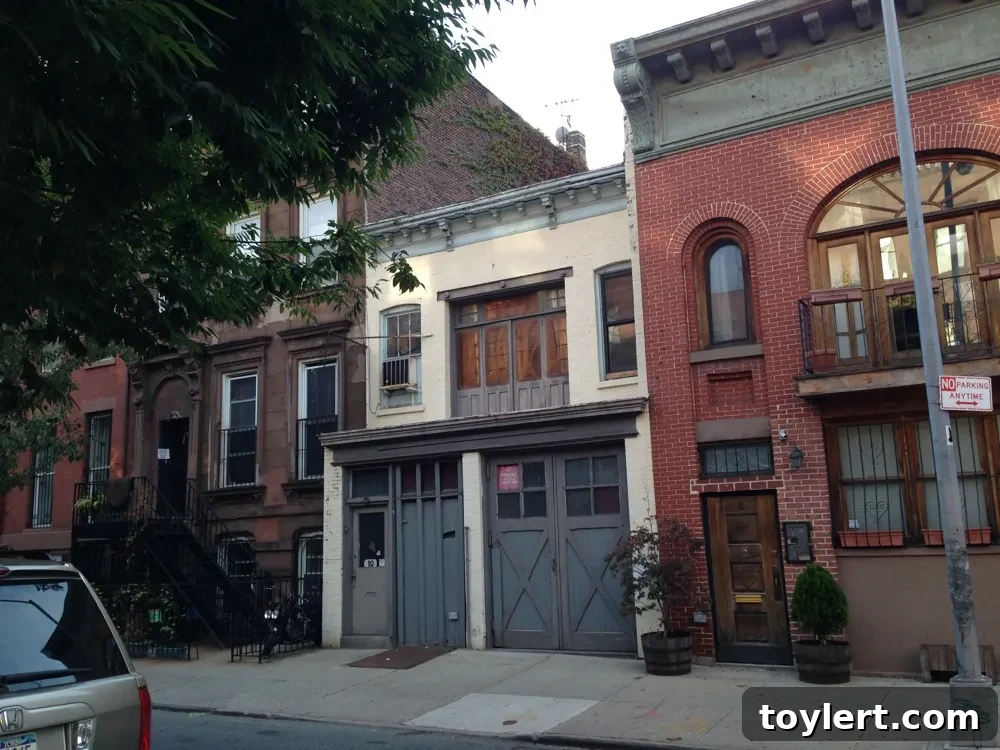
Brooklyn’s real estate market is a story of dramatic transformation, characterized by soaring property values and intense demand. Neighborhoods like Williamsburg, once industrial enclaves, have undergone significant gentrification, with historic properties now commanding multi-million dollar prices. A former firehouse in Williamsburg, for example, fetching figures upwards of $6.4 million, illustrates the extraordinary value placed on unique spaces in prime Brooklyn locations. This trend reflects the borough’s desirability as a residential and commercial hub, attracting a mix of long-term residents, new transplants, and savvy investors.
However, this rapid appreciation also brings forth significant challenges, particularly concerning affordable housing. The city is actively seeking innovative solutions, often collaborating with specialized firms to refine and implement comprehensive affordable housing plans. These initiatives aim to address the growing disparity between housing costs and average incomes, ensuring that Brooklyn remains accessible to a diverse socio-economic population. The complexity of balancing development with affordability is a continuous tightrope walk for urban planners and community leaders, necessitating thoughtful strategies and robust public engagement.
Commercial real estate in Brooklyn presents its own unique dynamics. Areas surrounding major attractions like the Barclays Center are hotbeds for commercial development, with landlords keenly seeking tenants that resonate with the local community. The search for a “hometown food tenant” near the Barclays Center, following the departure of iconic establishments, underscores the desire to preserve local flavor amidst rapid commercial growth. This constant negotiation between global brands and local businesses is crucial for maintaining the borough’s authentic character, ensuring that Brooklyn’s economic expansion benefits its diverse communities and supports the unique enterprises that give it its soul.
Navigating Community Development and Urban Growth: The Atlantic Yards Saga and Beyond
Large-scale urban development projects are a defining feature of Brooklyn’s evolving landscape, often sparking spirited discussions among residents, developers, and local government. The Atlantic Yards project, now known as Pacific Park, stands as a prime example of such complex undertakings. This ambitious development, encompassing residential towers, commercial spaces, and public areas, has been a subject of continuous dialogue and scrutiny. Community boards, serving as crucial interfaces between residents and developers, frequently request meetings with architects and planners to ensure that community concerns are heard and incorporated into design and execution phases. These engagements are vital for fostering transparency and ensuring that the interests of existing residents are weighed against the pressures of urban expansion.
The saga of Atlantic Yards highlights the delicate balance required when transforming vast urban tracts. It underscores the importance of community input in shaping the future of neighborhoods. Residents often voice concerns ranging from traffic congestion and infrastructure strain to the preservation of local character and access to public amenities. The efforts of community boards to engage with developers like Greenland, involved in the Pacific Park project, exemplify the power of organized local advocacy in influencing major urban transformations. It’s a testament to Brooklyn’s active citizenry, determined to have a say in how their borough grows and changes.
Beyond massive developments, Brooklyn’s urban growth encompasses a multitude of smaller projects that collectively contribute to its ongoing evolution. From revitalized waterfronts to new public parks, each endeavor reflects an ongoing commitment to enhancing urban living. However, these developments also bring forth discussions about gentrification, displacement, and the need for inclusive growth. The constant push and pull between progress and preservation define Brooklyn’s urban narrative, making it a fascinating case study in modern urbanism.
The Soul of Brooklyn: Local Businesses and Social Dialogue
The heart of Brooklyn beats strongly in its local businesses and the vibrant social dialogues that shape its communities. Small businesses are not merely commercial entities; they are community anchors, reflecting the unique character and spirit of each neighborhood. The struggle faced by local coffee shop owners in Williamsburg against large chains, particularly concerning issues like liquor licenses, underscores the ongoing battle to preserve this local essence. Concerns that a Starbucks acquiring a booze license could “kill small business” highlight the economic pressures and competitive landscape faced by independent entrepreneurs. These small businesses often represent years of dreams and hard work, offering unique products and personalized services that mass chains simply cannot replicate.
Beyond economic competition, social issues and community harmony are regularly at the forefront of Brooklyn conversations. Incidents, such as a Bushwick coffee shop owner accused of anti-Semitism, albeit later claiming to be “misunderstood,” emphasize the importance of open dialogue, cultural sensitivity, and mutual respect within diverse communities. These moments, while challenging, often spark necessary conversations about prejudice, understanding, and the values that a community wishes to uphold. They serve as reminders that even in a bustling metropolis, the actions and words of individuals can have significant ripple effects on community cohesion.
Furthermore, discussions around inclusivity and fair treatment are vital for Brooklyn’s identity. A councilman’s statement that “Black teens shouldn’t be chased out of Park Slope” brought to light the persistence of racial bias and the need for continuous efforts to ensure that all residents feel safe, respected, and welcomed in every part of the borough. These social dialogues, whether they revolve around business ethics, cultural understanding, or racial justice, are integral to Brooklyn’s ongoing journey towards becoming a more equitable and harmonious place for all its inhabitants. They reflect a community actively engaged in defining its moral compass.
Investing in Brooklyn’s Future: Libraries and Public Spaces
Public institutions, particularly libraries, play an indispensable role in strengthening Brooklyn’s social fabric and investing in its future. More than just repositories of books, libraries serve as vital community hubs, offering educational resources, cultural programs, and safe spaces for people of all ages. A “new generation of library supporters” emerging in Brooklyn underscores a renewed appreciation for these institutions, recognizing their critical importance in fostering literacy, supporting lifelong learning, and bridging digital divides. Their efforts in organizing and advocating for libraries ensure these essential public spaces continue to thrive and adapt to the evolving needs of the community.
These supporters often champion initiatives that go beyond traditional library services, advocating for technological upgrades, expanded programming, and the preservation of historic library buildings. Their passionate engagement reflects a broader understanding that strong public libraries are indicators of a healthy, informed, and engaged populace. In an era of rapid information flow, the library remains a trusted source of knowledge and a communal gathering place, essential for fostering intellectual curiosity and civic participation.
Coupled with libraries, Brooklyn’s numerous parks and public spaces contribute significantly to the borough’s quality of life. From Prospect Park to smaller neighborhood green spaces, these areas provide crucial havens for recreation, relaxation, and community interaction. Together, libraries and public spaces form the backbone of Brooklyn’s commitment to community well-being, offering invaluable resources that are accessible to everyone and reinforcing the borough’s dedication to an inclusive and vibrant future.
Brooklyn: A Tapestry of Contrasts and Constant Evolution
Brooklyn stands as a vibrant tapestry woven from threads of rich history, dynamic culture, relentless development, and profound community engagement. It is a borough of exhilarating contrasts: historic brownstones juxtaposed with gleaming new high-rises, independent boutiques thriving alongside global chains, and diverse communities fiercely advocating for their collective future. From the innovative art exhibitions at the Brooklyn Museum and the experimental theater of Bushwick Starr to the complex negotiations surrounding affordable housing and major urban developments like Pacific Park, Brooklyn’s story is one of continuous evolution.
The challenges it faces—from housing affordability and small business competition to critical social dialogues—are met with an equally robust spirit of resilience and community activism. The passionate advocacy for public libraries and the ongoing efforts to ensure inclusivity in neighborhoods like Park Slope are testaments to Brooklynites’ unwavering commitment to their borough. As Brooklyn continues to grow and redefine itself, it remains a powerful symbol of urban vitality, a place where progress and tradition, individuality and community, constantly intertwine to create a truly unique and inspiring urban experience. Its enduring appeal lies in this very dynamism, making it a compelling subject of study and a beloved home for millions.