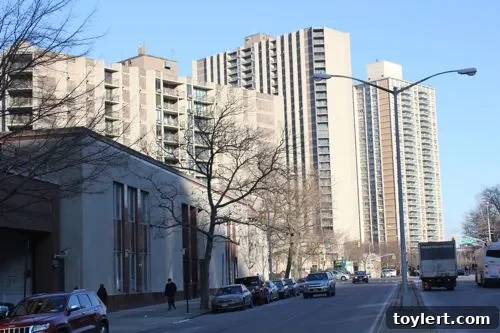
The Fight to Save Brooklyn Libraries: A Community Rises for Cadman Plaza
Across New York City, public libraries stand as vital pillars of their communities, offering more than just books—they are essential hubs for education, digital access, cultural enrichment, and social connection. However, these indispensable institutions frequently find themselves on the front lines of budget battles and at risk of closure or sale. One such critical battle is unfolding in Brooklyn, where the community is rallying to protect the Cadman Plaza branch of the Brooklyn Public Library.
The Brooklyn Heights-based advocacy group, Citizens Defending Libraries, has taken a leading role in this urgent cause. Over a recent weekend, the group intensified its efforts, diligently gathering signatures for a powerful petition and convening crucial community meetings. Their mission is clear: to halt the proposed sale of the Cadman Plaza library, an initiative that has sparked widespread concern among residents and local leaders alike. The immediate goal of this grassroots movement is to collect 10,000 signatures, a target they are rapidly approaching, having already secured an impressive 8,300 pledges of support. This significant number underscores the depth of public sentiment and the strong desire of Brooklynites to preserve their beloved library branches.
The Cadman Plaza Library: More Than Just a Building
The Cadman Plaza branch is not merely a structure of bricks and mortar; it represents a fundamental component of the Brooklyn Heights, DUMBO, and Downtown Brooklyn communities. For generations, this library has served as a sanctuary for learning, a resource for career development, and a free, accessible space for all residents. Its potential sale, often proposed as a means to address budget shortfalls or facilitate urban development, threatens to sever a lifeline for countless individuals who rely on its services daily.
The argument for selling valuable public assets, such as libraries, frequently centers on the promise of generating revenue or creating new, often high-end, residential or commercial spaces. However, opponents argue that the short-term financial gains are vastly outweighed by the long-term societal and cultural losses. A public library offers unparalleled value that cannot be quantified solely in monetary terms. It is a place where children discover the joy of reading, where job seekers access vital resources, where seniors connect with technology, and where newcomers find a welcoming embrace. Removing such a cornerstone from the community leaves an irreplaceable void, impacting educational attainment, economic mobility, and overall quality of life.
A Unified Front: Community & Political Support
The collective action spearheaded by Citizens Defending Libraries demonstrates the profound power of community organizing. Their petition, available through platforms like SignOn.org, serves as a digital rallying point, allowing thousands to voice their opposition to the library’s sale. The physical gatherings, reported by the Brooklyn Heights Blog, provide crucial opportunities for residents to strategize, share concerns, and build solidarity.
The momentum behind this movement is further amplified by the involvement of key political figures. Councilwoman Letitia James, a vocal advocate for public services and community welfare, has personally attended the group’s meetings, signaling strong municipal support. Similarly, a representative from State Senator Velmanette Montgomery’s office has also participated, highlighting the bipartisan concern at both local and state levels regarding the fate of Brooklyn’s public libraries. This political engagement is vital, as it brings the community’s concerns directly to the legislative bodies that hold the power to influence policy and funding decisions.
Why Libraries Are Indispensable: More Than Just Books
Carolyn McIntyre, a passionate organizer with Citizens Defending Libraries, articulates the core of the group’s mission with profound clarity. She notes, “News is surfing about more libraries being closed and sold off. We need to make NYPL and BPL accountable and let them know the libraries need to stay public, for all people…It is deeply troubling that our public library systems are on the front line of every budget fight. Libraries are the lifeblood of our communities and are an increasingly rare public space.” Her words resonate deeply, encapsulating the multifaceted value of libraries and the alarming trend of their erosion.
Public libraries serve as vital educational institutions, providing free access to books, periodicals, and digital resources. They host literacy programs for children and adults, offer homework help, and facilitate workshops on everything from coding to job application skills. In an increasingly digital world, libraries are also critical providers of free internet access and computer literacy training, bridging the digital divide for individuals who may not have these resources at home. This role is particularly crucial in supporting underserved populations, ensuring equitable access to information and opportunities.
Beyond education, libraries function as indispensable community centers. They are safe, welcoming spaces for people of all ages and backgrounds to gather, learn, and connect. They host cultural events, author readings, art exhibitions, and community meetings, fostering a sense of belonging and civic engagement. In many neighborhoods, the library is one of the last remaining truly public spaces where one does not need to spend money to exist, to learn, or to simply be. This aspect is particularly poignant in rapidly gentrifying areas, where public spaces are increasingly privatized or replaced by commercial establishments.
Addressing the Broader Crisis: Accountability and Sustainable Solutions
The issue of the Cadman Plaza branch is indicative of a broader crisis facing public library systems across New York City and beyond. The consistent placement of libraries “on the front line of every budget fight” points to a systemic undervaluation of their essential services. While budget constraints are a perennial challenge for urban services, advocates argue that libraries should be seen as fundamental infrastructure, akin to schools, parks, and transportation, rather than discretionary amenities.
The call for accountability directed at the New York Public Library (NYPL) and Brooklyn Public Library (BPL) systems is paramount. This demand extends beyond simply preventing sales; it encompasses greater transparency in decision-making, genuine community input into strategic planning, and a renewed commitment to prioritizing public service over real estate development opportunities. Communities are urging library administrations and city officials to explore alternative, sustainable funding models that secure the future of these vital institutions without resorting to the sale of valuable public assets.
Potential solutions could include increased city and state funding, innovative public-private partnerships that do not compromise public access, and philanthropic initiatives focused on library preservation. Additionally, a re-evaluation of long-term urban planning strategies is necessary to ensure that public spaces, especially libraries, are protected and integrated into the fabric of evolving neighborhoods. The economic impact of libraries, in terms of supporting workforce development and fostering an educated populace, should be factored into their perceived value, demonstrating that investing in libraries is an investment in the city’s future prosperity.
The Future of Public Libraries: A Call to Action
The spirited campaign to save the Cadman Plaza branch of the Brooklyn Public Library is a testament to the enduring power and importance of these institutions. It underscores the belief that public libraries are not relics of the past but dynamic, essential services crucial for the health and vitality of modern urban life. The efforts of Citizens Defending Libraries, supported by community members and elected officials, serve as a powerful reminder that libraries must remain public, accessible, and responsive to the needs of all people.
As the petition nears its goal of 10,000 signatures, and as community meetings continue to bring residents together, the message from Brooklyn Heights is clear: our libraries are non-negotiable. They are the lifeblood of our communities, vital engines of equity and opportunity, and irreplaceable public spaces that must be fiercely protected for present and future generations. The fight for Cadman Plaza is more than a local issue; it is a battle for the soul of public service in one of the world’s greatest cities, a call for sustained advocacy to ensure that the invaluable resources of public libraries endure for all.