Mastering the Art of Installing a Picture Rail on a Brick Wall
For homeowners looking to add a touch of timeless elegance to their interiors, a picture rail offers a sophisticated way to display art and photographs without marring walls with countless nail holes. However, the prospect of installing such a feature on a challenging surface like a brick wall can often leave many puzzled about the best approach. Should one reach for a powerful nail gun, meticulously drill and anchor, or perhaps rely on the sheer strength of modern adhesives? This comprehensive guide delves into each method, providing you with the knowledge and confidence to transform your brick wall into a gallery-ready space, ensuring both beauty and stability.
Understanding Your Brick Wall: A Foundation for Success
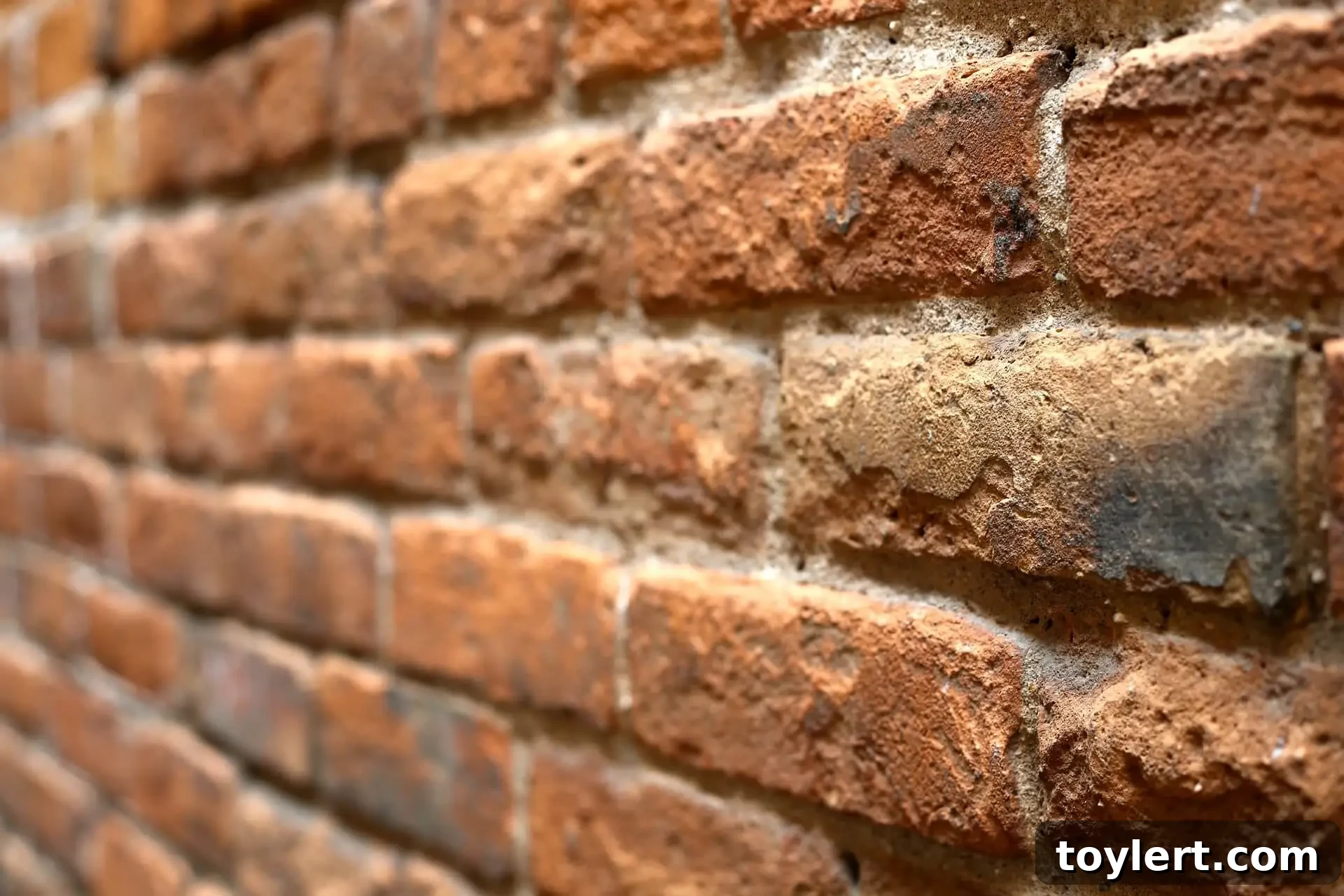
Before embarking on any installation project, it’s crucial to understand the material you’re working with. Brick walls, while incredibly durable and robust, present unique challenges. Their hardness varies depending on the type of brick and its age, making them significantly more resistant to penetration than drywall or wood studs. Mortar lines, though softer, also have their own set of considerations. A standard nail or screw driven directly into brick will likely bend, chip the brick, or fail to hold any significant weight. Therefore, proper planning and the selection of the correct tools and techniques are paramount to a successful and secure installation.
Method 1: The Reliable Approach – Drilling, Anchors, and Screws
When it comes to mounting anything securely to a brick wall, the method involving drilling pilot holes, inserting appropriate wall anchors, and fastening with screws is overwhelmingly the most recommended and reliable choice. This approach ensures maximum stability and load-bearing capacity, making it ideal for picture rails that will hold various frames and decorative items.
Tools and Materials You’ll Need:
- Impact Drill or Hammer Drill: This is your most critical tool. Unlike a standard drill, an impact or hammer drill provides a percussive action that effectively breaks through the tough masonry, making drilling into brick significantly easier and faster. Ensure it has a hammer setting and sufficient power for the task.
- Masonry Drill Bits: Always use carbide-tipped masonry bits specifically designed for brick and concrete. The bit diameter must precisely match the size of your chosen wall anchors. Have a few on hand, as they can wear down.
- Wall Anchors: For brick, several types of anchors are suitable:
- Plastic Expansion Anchors: Best for lighter loads, these expand when a screw is driven into them, gripping the drilled hole.
- Sleeve Anchors: Excellent for medium to heavy loads, these metal anchors expand when tightened, providing a very strong hold. They often come with integrated screws.
- Toggle Bolts: While primarily for hollow walls, specific masonry toggle bolts exist that can provide a strong grip if drilling into mortar joints or compromised brick.
- Lag Shields: These heavy-duty anchors are ideal for very heavy picture rails or when maximum security is required.
Select anchors appropriate for the weight of your picture rail and what it will hold.
- Screws: Choose screws with a length appropriate for your chosen anchors and picture rail thickness. They should be strong enough to withstand the load and corrosion-resistant if in a damp environment.
- Level: A long level (24-48 inches) is essential for ensuring your picture rail is perfectly straight.
- Measuring Tape: For accurate placement and cutting.
- Pencil: For marking drilling points and rail cuts.
- Stud Finder: While primarily for wood/metal studs, a good stud finder can sometimes help identify underlying structural elements or voids, though it’s less critical for solid brick.
- Safety Glasses: Absolutely crucial to protect your eyes from dust and debris generated during drilling.
- Dust Mask: To avoid inhaling brick dust, which can be irritating.
- Vacuum Cleaner: To clean up dust after drilling.
- Picture Rail Molding: Your chosen wooden or composite rail.
- Wood Filler (Optional): For concealing screw heads after installation.
- Paint or Stain (Optional): To match or complement your décor.
Step-by-Step Installation Guide:
- Measure and Mark the Rail Height: Decide on the optimal height for your picture rail. Typically, they are installed 7 to 9 feet from the floor, or about a foot below the ceiling, depending on ceiling height and room aesthetics. Use your measuring tape and level to draw a perfectly straight line along the wall where the top edge of the picture rail will sit.
- Prepare Your Picture Rail: Cut the picture rail molding to the desired lengths using a miter saw for precise corner cuts if necessary. Lay the rail flat and pre-drill pilot holes for your screws through the rail itself. These holes should be slightly larger than the screw shank but smaller than the screw head, and countersunk if you plan to hide the screw heads for a flush finish. Space them evenly, typically every 16 to 24 inches.
- Mark Drill Points on the Wall: Hold the prepared picture rail against the marked line on the wall. Use a pencil to transfer the exact locations of your pre-drilled holes from the rail onto the brick wall. Double-check alignment with your level.
- Drill Pilot Holes into the Brick: Don your safety glasses and dust mask. Attach the masonry drill bit corresponding to the diameter of your wall anchors to your hammer drill. Set the drill to its hammer function. Carefully drill into each marked point on the wall. Apply steady pressure and allow the drill to do the work. Drill to a depth that matches the length of your chosen anchors, ensuring the anchor will be fully recessed into the brick. Periodically pull the bit out to clear dust from the hole.
- Insert Wall Anchors: Once all holes are drilled, use a vacuum cleaner to remove any brick dust from inside the holes – this ensures the anchors have a clean surface to grip. Firmly push or gently tap each wall anchor into its corresponding hole until it is flush with the wall surface. For plastic anchors, ensure they are fully seated.
- Mount the Picture Rail: Carefully align the pre-drilled holes in your picture rail with the installed wall anchors. Insert your screws through the rail and into the anchors. Using a power drill or screwdriver, drive the screws in until they are snug and the picture rail is firmly secured to the wall. Be careful not to overtighten, especially with plastic anchors, as this can strip the anchor or damage the rail.
- Finishing Touches: If you countersunk your screws, fill the screw head depressions with wood filler. Once dry, sand smooth and then paint or stain the picture rail to match your room’s décor. Step back and admire your securely installed picture rail, ready to hold your cherished artwork.
Pros and Cons of Drilling and Anchors:
- Pros:
- Extremely Secure: Provides the strongest and most reliable hold for picture rails, capable of supporting significant weight.
- Durable and Long-Lasting: Once installed correctly, this method will last for decades without issue.
- Versatile: Suitable for a wide range of picture rail materials and sizes.
- Professional Finish: Allows for a neat, flush installation with hidden fasteners.
- Cons:
- Requires Specialized Tools: A hammer drill and masonry bits are essential, which might be an additional purchase for some DIYers.
- More Effort and Skill: Involves precise measuring, drilling, and anchoring, which can be more time-consuming than other methods.
- Irreversible Holes: Drilling creates permanent holes in your brick wall, which are difficult to patch invisibly if the rail is ever removed.
Method 2: The Convenience Factor – High-Strength Adhesives
For those who are hesitant to drill into their brick walls, or for lighter picture rails and temporary installations, high-strength construction adhesives can present an alternative. However, it’s crucial to approach this method with a clear understanding of its limitations and potential drawbacks. Adhesives generally offer less holding power than mechanical fasteners and may not be suitable for all types of picture rails or loads.
When to Consider Adhesives:
- Lightweight Rails: Best suited for very light picture rails, often made of MDF or lightweight wood, that will hold minimal weight.
- Temporary Installations: If you anticipate removing the picture rail in the future and want to minimize wall damage (though removal can still be tricky).
- Renters: Some landlords might prefer adhesive methods over drilling, but always confirm first, as adhesive removal can also damage surfaces.
- Drilling is Absolutely Not an Option: In situations where drilling is strictly prohibited or impossible due to wall condition.
Types of Adhesives Suitable for Masonry:
- Construction Adhesive: Products like “Liquid Nails for Projects” or “Gorilla Glue Construction Adhesive” are formulated to bond to a variety of heavy materials, including brick, stone, concrete, and wood. Look for adhesives specifically rated for “heavy-duty” or “masonry” applications.
- Specialized Masonry Adhesives: Some manufacturers produce adhesives specifically designed for bonding masonry units. These often have excellent weather resistance and strong bonding capabilities.
Always check the product label for specific instructions, recommended substrates, and cure times, as these can vary significantly between brands and types.
Application Tips for Adhesives:
- Clean and Dry Surface: The brick surface must be meticulously clean, dry, and free of dust, loose debris, or efflorescence for the adhesive to bond effectively. A stiff brush and vacuum can help.
- Temperature Considerations: Adhesives typically perform best within specific temperature ranges. Check the product’s guidelines and ensure your workspace is within these limits.
- Apply Adhesive Generously: Apply a continuous bead or zig-zag pattern of adhesive to the back of the picture rail. Do not apply too close to the edges to avoid squeeze-out.
- Press Firmly: Once the adhesive is applied, press the picture rail firmly against the marked line on the brick wall. Maintain pressure for the initial tack time specified by the adhesive manufacturer.
- Temporary Support is Crucial: Since adhesives require time to cure, you will need to provide temporary support to hold the picture rail in place. This can involve painter’s tape, wooden braces, or props wedged against the ceiling, holding the rail against the wall. Do not remove this support until the adhesive is fully cured (which can be 24-72 hours or more).
- Ventilation: Many construction adhesives emit strong fumes. Ensure adequate ventilation in the work area.
Pros and Cons of Adhesives:
- Pros:
- No Drilling Required: Avoids creating holes in the brick, which can be appealing for some homeowners or renters.
- Less Mess: Generally cleaner than drilling, with less dust generated.
- Potentially Easier for Beginners: Requires fewer specialized tools and can be simpler to execute for those less familiar with power tools.
- Cons:
- Less Secure: Significantly less reliable and load-bearing than mechanical fasteners. Not suitable for heavy items or high-traffic areas.
- Potential for Failure: Adhesion can weaken over time due to humidity, temperature fluctuations, or excessive load, leading to the rail detaching.
- Difficult to Remove: High-strength adhesives often bond very strongly, and removing the picture rail can cause significant damage to the brick surface, including pulling off layers or leaving stubborn residue.
- Limited Weight Capacity: Cannot support the same weight as screws and anchors.
- Cure Time: Requires bracing and patience for the adhesive to fully cure.
Method 3: The Misconception – Nail Guns on Brick
The idea of using a nail gun for quick and easy installation is tempting, especially given their efficiency on wood. However, attempting to use a standard nail gun directly on a brick wall for a picture rail is a significant misconception and a practice fraught with danger and ineffectiveness. This method is generally not recommended for the average DIY enthusiast or for this specific application.
Why a Standard Nail Gun is NOT the Answer for Brick:
- Brick Hardness: Standard pneumatic or electric nail guns are designed for wood or soft materials. They simply lack the power to drive a nail into hard brick. The nail will either bend, shatter the brick, or ricochet dangerously.
- Lack of Holding Power: Even if a nail were to somehow penetrate, it would not create a secure bond. Nails rely on friction and displacement of material to hold, neither of which works effectively in solid masonry.
- Damage to Brick: Forcing nails into brick can cause irreparable damage, chipping the surface or creating cracks.
- Safety Risk: Ricocheting nails are extremely dangerous and can cause serious injury to the installer or bystanders.
Specialized Tools (with Extreme Caution):
There are highly specialized tools, such as powder-actuated tools (PATs) or dedicated concrete nailers, that *can* drive fasteners into masonry. However, these are industrial-grade tools designed for heavy-duty construction, not delicate trim work like picture rails. They use a small explosive charge or immense pneumatic pressure to drive hardened nails or pins. They come with significant risks, require special training, and are not appropriate for the average DIYer.
- Powder-Actuated Tools (PATs): These tools fire a fastener using a controlled explosion, similar to a firearm. They are incredibly powerful and extremely dangerous if not used correctly by trained professionals.
- Specialized Concrete Nailers: Some heavy-duty pneumatic or gas-powered nailers are designed for concrete, using very specific hardened nails. Even these are generally too powerful and unwieldy for precise trim installation.
Furthermore, even with these specialized tools, the fasteners would ideally be driven into mortar joints rather than directly into the harder brick itself to achieve a reliable hold. Driving them into brick directly can still lead to splitting or spalling of the masonry. In almost all scenarios, for installing a picture rail, these tools are overkill, excessively risky, and ultimately not the correct solution.
Pros and Cons of Nail Guns on Brick (mostly cons):
- Pros: (Virtually none for picture rails) The only theoretical “pro” is speed, but this is negated by the impossibility, danger, and unsuitability of the method for this application.
- Cons:
- Extremely Dangerous: High risk of serious injury from ricocheting fasteners.
- Ineffective: Standard nail guns will not work; specialized tools are overkill and inappropriate.
- Damage to Wall: High likelihood of chipping, cracking, or spalling the brick.
- Poor Holding Power: Even if a fastener penetrates, it will not provide a secure, long-lasting hold for trim.
- Incorrect Tool for the Job: A nail gun is simply not the right tool for installing a picture rail on a brick wall.
Essential Considerations Before You Start
Beyond choosing the right installation method, a few key considerations will contribute to a safe and successful project.
Safety First:
- Eye Protection: Always wear safety glasses when drilling or working with power tools, especially with masonry, as flying debris is common.
- Dust Mask: Protect your lungs from fine brick dust.
- Gloves: Protect your hands from scrapes and blisters.
- Electrical Awareness: Before drilling, ensure there are no hidden electrical conduits or water pipes in the wall where you plan to drill. While less common in solid brick, it’s always wise to be aware, especially if near outlets or switches.
Choosing the Right Picture Rail:
- Material: Picture rails are typically made from wood (pine, oak, poplar) or MDF (medium-density fiberboard). Wood offers greater durability and can be stained, while MDF is often more cost-effective and takes paint well.
- Profile: Consider the profile or style of the rail. Traditional picture rails often have a distinct curved or decorative top edge. Choose one that complements your home’s architectural style.
- Finish: Decide whether you want to paint or stain your picture rail. This choice might influence the material you select.
Planning Your Layout:
- Height: As mentioned, consider the room’s ceiling height. In rooms with standard 8-foot ceilings, about 7 feet up or 12-18 inches below the ceiling is a common placement. For taller ceilings, you might place it higher.
- Continuous vs. Segmented: Will the rail run continuously around the entire room, or only on specific walls?
- Corner Considerations: Plan for miter cuts at inside and outside corners for a seamless look.
Seeking Professional Help:
If you’re dealing with an older or historical brick wall, have concerns about structural integrity, lack the necessary tools, or simply feel uncomfortable performing the installation yourself, don’t hesitate to call a professional. A skilled carpenter or handyman with experience in masonry work can ensure a safe and aesthetically pleasing installation, giving you peace of mind.
Conclusion: Your Brick Wall, Beautifully Adorned
Installing a picture rail on a brick wall, while requiring a bit more effort than on drywall, is a highly rewarding home improvement project. By understanding the nature of brick and selecting the appropriate tools and methods, you can achieve a secure and stunning result. The drilling, anchoring, and screwing method stands out as the most robust and reliable approach, guaranteeing that your cherished artwork will be displayed safely for years to come. While adhesives offer a less invasive alternative for lightweight applications, and nail guns are entirely unsuitable, your informed choice will dictate the longevity and success of your project. Embrace the challenge, follow these guidelines, and soon you’ll be enjoying the timeless charm and practical elegance of a perfectly installed picture rail gracing your beautiful brick wall.