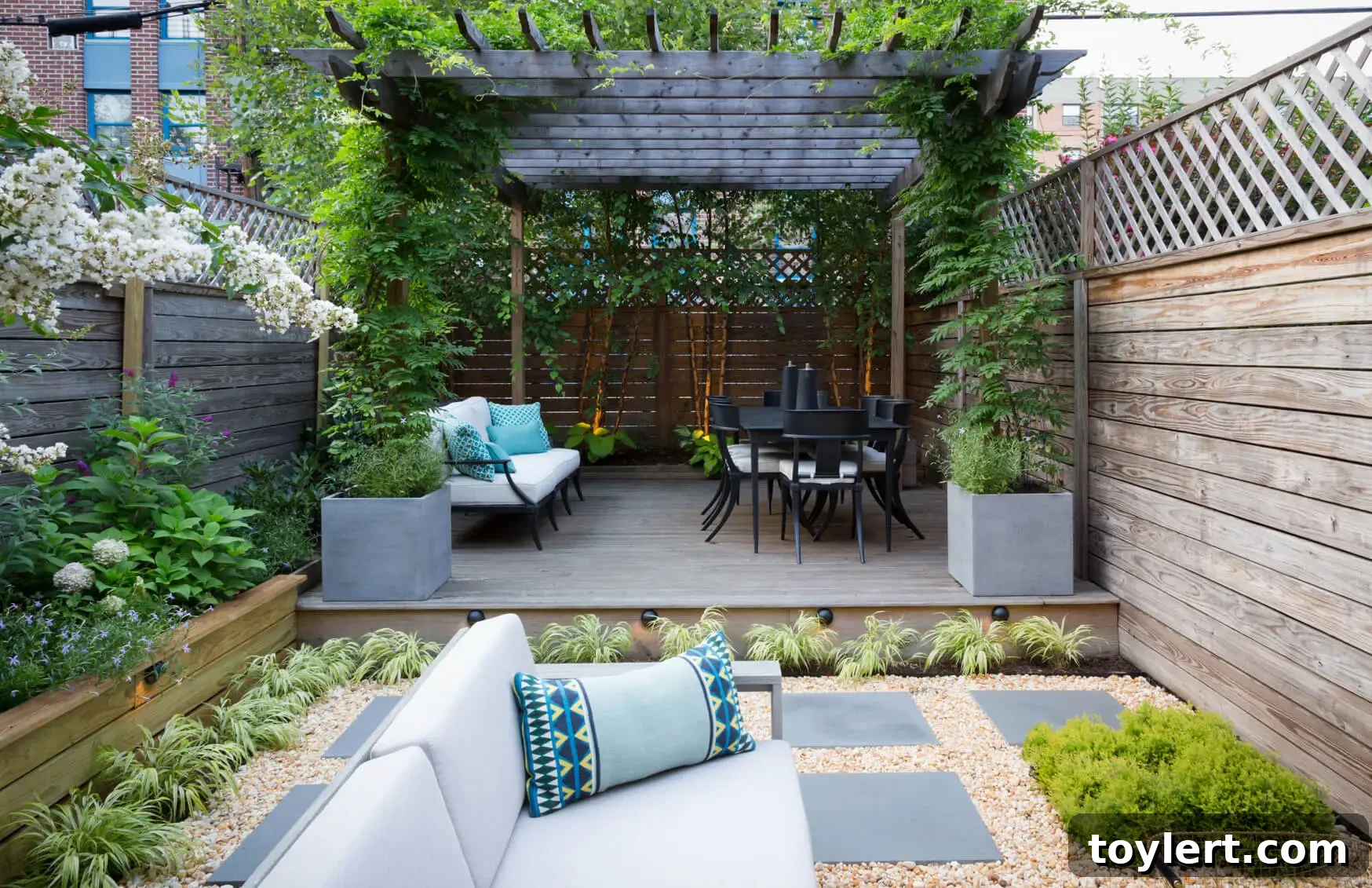
6 Things You Must Know Before Installing a Fence
As the seasons shift and thoughts turn to outdoor living and property improvements, the idea of installing a new fence often comes to mind. A fence is more than just a boundary; it’s a significant investment that enhances your home’s privacy, security, aesthetics, and overall value. From keeping pets safely contained to creating a serene backyard oasis, a well-planned fence serves multiple vital functions. However, embarking on a fence installation project without proper preparation can lead to unexpected expenses, frustrating delays, and a result that falls short of your vision. Gone are the days of simply putting up any barrier; today’s market offers a vast array of styles, materials, and functionalities, ranging from economical pre-made panels to custom, high-end Ipe horizontal fencing. This comprehensive guide will illuminate the six critical factors you must consider before breaking ground, ensuring your fence project is not just completed, but perfectly tailored to your needs and built to last.
1. Define Your Purpose and Needs
The foundational step in any successful fence project is to clearly identify the primary purpose your new fence will serve. This initial clarity will guide every subsequent decision, from material selection to design and height. Are you primarily seeking enhanced privacy to shield your yard from neighbors or street views? If so, solid panel fences, typically made from wood or vinyl, designed with minimal gaps, would be your ideal choice. Is security paramount, perhaps to deter unauthorized entry, safeguard children, or keep beloved pets securely within your property? Taller, robust fences constructed from strong materials like pressure-treated wood, vinyl, or ornamental iron, often with secure locking gates, will be necessary. Alternatively, your goal might be purely aesthetic, aiming to boost your home’s curb appeal and complement your landscaping. Decorative picket fences, lattice-top designs, or modern horizontal slat fences can achieve this beautifully, adding charm and character without necessarily providing full privacy or security. Consider specific challenges or requirements of your property, such as noise reduction if you live near a busy road, or the need for a fence that can withstand strong winds. Understanding these core objectives ensures that your chosen fence effectively meets your practical and visual aspirations, making this initial assessment indispensable.
2. Understand Local Regulations and Permits
Before any digging begins, it is absolutely crucial to investigate and adhere to local zoning ordinances, homeowners’ association (HOA) rules, and permit requirements. This step is often overlooked but can lead to costly penalties, forced modifications, or even the complete removal and reinstallation of your fence. Municipalities typically have specific regulations regarding fence height, setback from property lines, permissible materials, and even aesthetic guidelines for fences visible from public areas. For instance, a front yard fence might have a lower height limit than one in the backyard. Historic districts or planned communities often impose stricter architectural standards. It is equally vital to determine your exact property boundaries; a professional land survey might be necessary, especially if you plan to build close to a shared property line. Open communication with your neighbors is also highly recommended, particularly if the fence will be a shared boundary, as this can prevent future disputes and foster goodwill. Furthermore, utility companies may have easements on your property that restrict construction over underground lines (gas, water, electric, internet). Always contact your local planning department or building authority to ascertain all necessary permits and ensure compliance. Skipping this due diligence phase is a common pitfall that can transform an exciting project into a bureaucratic nightmare.
3. Choose the Right Material
The material choice for your fence significantly impacts its appearance, longevity, maintenance demands, and overall cost, making it a pivotal decision. Each material boasts a unique set of advantages and disadvantages:
- Wood Fencing: Classic and versatile, wood fences offer a natural aesthetic that can be stained or painted to match any home style.
- Cedar and Redwood: Naturally resistant to rot, decay, and insect infestation, these woods are premium choices for durability and beauty, though they come at a higher cost. They require periodic sealing or staining to maintain their appearance and protective qualities.
- Pressure-Treated Pine: A more budget-friendly option, pine is chemically treated to resist rot and insects, making it suitable for ground contact. It typically requires painting or staining for aesthetic appeal and additional protection.
- Ipe: A luxurious Brazilian hardwood, Ipe is renowned for its exceptional density, strength, and natural resistance to rot, insects, and even fire. It weathers to a beautiful silver-grey if left untreated, or can be oiled to preserve its rich, deep brown hue. Ipe fences are virtually maintenance-free but represent a higher upfront investment, making them a top-tier choice for unparalleled longevity and elegance.
- Vinyl Fencing: Gaining immense popularity for its low-maintenance properties, vinyl fences are durable, resistant to rot, pests, and weathering, and never need painting. Available in a wide array of styles, including those mimicking wood, vinyl offers excellent privacy and longevity, though its initial cost can be higher than some wood options.
- Metal Fencing: Offers a blend of security and sophisticated aesthetics.
- Aluminum: Lightweight, rust-resistant, and virtually maintenance-free, aluminum fences are perfect for decorative purposes and defining boundaries. They come in various styles and colors, often replicating the look of traditional wrought iron.
- Wrought Iron/Steel: Known for superior strength and security, wrought iron fences provide a classic, ornate look. They are heavier and more expensive than aluminum and require regular maintenance to prevent rust, though modern coatings can extend their lifespan.
- Chain-Link: The most economical option, chain-link fences provide basic security and containment. They are highly durable and require minimal maintenance but offer little privacy or aesthetic appeal without additional screening.
- Composite Fencing: Made from a blend of recycled plastic and wood fibers, composite fences offer the aesthetic appeal of wood without the intensive maintenance. They are highly durable, resistant to rot, pests, and fading, providing a long-lasting, eco-friendly solution with a mid-to-high price point.
Carefully consider your budget, desired aesthetic, climate, and willingness to perform maintenance when making this crucial material decision.
4. Consider Design and Style
Beyond the choice of material, the design and style of your fence play a pivotal role in defining your property’s character and curb appeal. A fence is an architectural extension of your home and should complement its existing style and the surrounding landscape. The orientation of the fence panels, for example, can dramatically alter the visual impact. Horizontal fences have surged in popularity for their sleek, modern aesthetic, often making a yard feel more expansive and contemporary. Vertical fences offer a more traditional, timeless look that suits a wide range of home styles. Consider the specific style elements:
- Picket Fences: Iconic for their charm and welcoming feel, picket fences are perfect for front yards where light boundary definition and aesthetic appeal are primary.
- Privacy Fences: Featuring solid panels with minimal gaps, these fences create an impenetrable visual barrier, ideal for backyards or areas where maximum seclusion is desired.
- Semi-Private Fences: These designs incorporate small gaps or lattice work, offering a balance between privacy and openness, allowing some light and air circulation while still providing a degree of screening.
- Decorative Elements: Embellishments such as post caps (pyramid, ball, solar-lit), finials, lattice toppers, or custom-designed gates can elevate a fence from purely functional to a distinctive design statement.
- Color and Finish: The color of your fence, whether a natural wood stain, a crisp white vinyl, or a sophisticated black metal, should harmonize with your home’s exterior palette and garden design.
Explore different designs, perhaps by looking at neighborhood fences, online galleries, or architectural magazines, to find a style that not only meets your functional needs but also enhances the overall beauty and cohesion of your outdoor space. A thoughtfully designed fence becomes an asset that significantly contributes to your home’s unique appeal.
5. DIY vs. Professional Installation
One of the most significant decisions you’ll face is whether to undertake the fence installation yourself or hire experienced professionals. Each approach comes with its own set of advantages and challenges.
- DIY Installation: Opting for a do-it-yourself installation can result in substantial savings on labor costs, making it an attractive option for homeowners with a tight budget. However, it demands a considerable investment of time, physical stamina, and a specific skill set. You’ll need to acquire or rent specialized tools such as a post-hole digger, level, saw, and various fasteners. More critically, the success of a DIY project hinges on your aptitude for precision and problem-solving. Incorrect post depth or alignment, improper gate installation, or failure to account for uneven terrain can lead to a wobbly, visually unappealing, or structurally unsound fence that may require costly fixes later. While rewarding, DIY is best suited for straightforward projects, familiar materials, and individuals confident in their construction abilities.
- Professional Installation: Hiring professional fence installers offers numerous benefits. They bring expertise, efficiency, and the right equipment to ensure a high-quality, durable, and code-compliant installation. Professionals are adept at navigating complex site conditions, dealing with utility lines, and ensuring proper post setting and gate functionality. They can often complete the project much faster than a DIY enthusiast and typically provide warranties on their workmanship, offering peace of mind. While the upfront cost is higher due to labor fees, the long-term value in terms of structural integrity, aesthetic appeal, and avoided mistakes often justifies the investment. For complex designs, challenging landscapes, or installations involving expensive materials like Ipe or custom metalwork, professional installation is almost always the recommended path. When selecting a contractor, obtain multiple quotes, check references, review portfolios, and verify their licenses and insurance.
Carefully weigh your own skills, available time, and budget against the advantages of professional expertise to make the most informed decision for your project.
6. Budgeting and Long-Term Costs
A comprehensive budget for your fence project must extend beyond the initial material purchase. It’s vital to consider all associated expenses, including installation labor (if hiring professionals), permit fees, potential costs for tools and equipment (if DIYing), and crucial long-term maintenance requirements.
- Initial Costs:
- Material Costs: As discussed, these vary widely from economical chain-link and pressure-treated pine to premium Ipe and custom ornamental iron.
- Labor Costs: Professional installation significantly adds to the upfront cost, typically ranging from 50% to 75% of the total project cost, depending on the material and complexity.
- Permit Fees: Don’t overlook the cost of obtaining necessary permits from your local municipality.
- Site Preparation: Budget for expenses related to clearing existing vegetation, removing an old fence, or grading uneven terrain. This might require additional tools, a dumpster rental, or specialized services.
- Tools & Supplies: If you’re undertaking a DIY project, factor in the cost of purchasing or renting necessary tools like post-hole diggers, cement mixers, levels, saws, and safety gear.
- Long-Term Costs (Maintenance & Repair):
- Low-Maintenance Materials: Vinyl and aluminum fences, while potentially having higher upfront costs, offer significant savings in the long run as they require minimal maintenance beyond occasional cleaning.
- Wood Fences: More affordable initially, wood fences demand regular maintenance, including staining, painting, or sealing every few years to prevent rot, insect damage, and weathering. Budget for the cost of these materials and the time or labor involved. Occasional board replacements due to damage or decay should also be anticipated.
- Metal Fences: Wrought iron and steel fences may require periodic scraping, priming, and painting to prevent rust, especially in humid climates. Aluminum fences are generally rust-proof and very low maintenance.
- Repair Costs: Unforeseen damage from severe weather, accidental impact, or general wear and tear can necessitate repairs. Having an emergency fund for such eventualities is a prudent approach.
By considering the total cost of ownership, rather than just the initial price tag, you can make a more financially sound decision, ensuring your fence remains an asset without becoming an unexpected financial burden over its lifespan.
Installing a new fence is a transformative home improvement project that offers immense benefits in terms of functionality, security, and aesthetic appeal. By diligently addressing these six critical considerations – defining your purpose, understanding local regulations, selecting the optimal material, choosing a complementary design, weighing DIY versus professional installation, and budgeting comprehensively for both initial and long-term costs – you lay the groundwork for a truly successful and satisfying outcome. This is more than just erecting a barrier; it’s about thoughtfully crafting an integral extension of your home that enhances your lifestyle and property value for decades to come. Take the time to plan meticulously, seek expert advice when needed, and make informed choices, and you’ll soon be enjoying the lasting advantages of your perfectly installed new fence.