Unearthing Brooklyn’s Architectural Grandeur: A Deep Dive into 1870-1930
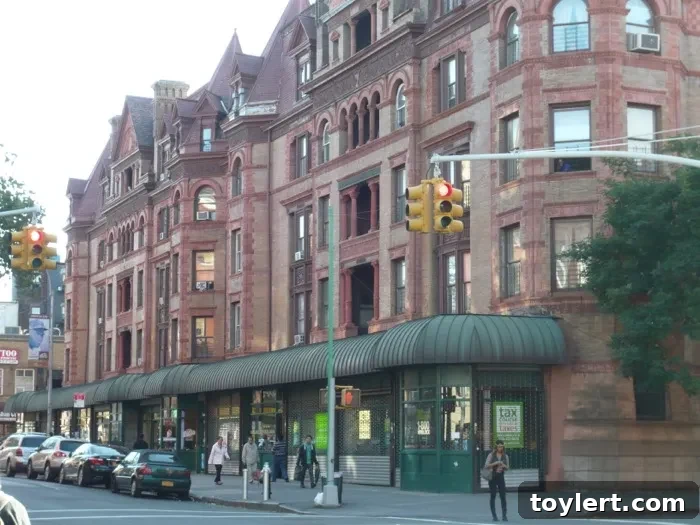
Brooklyn, a borough renowned for its distinctive character and rich history, boasts an architectural tapestry unlike any other. This unparalleled heritage, largely shaped between the pivotal years of 1870 and 1930, tells a compelling story of urban expansion, societal evolution, and design innovation. To shed light on this magnificent period, acclaimed architectural historian, tour guide, and writer Suzanne Spellen—famously known by her Brownstoner column pseudonym, Montrose Morris—is set to deliver an illuminating illustrated talk titled “The Architects and Architecture of Brooklyn: 1870-1930.” This much-anticipated event promises to be an insightful exploration into the lives, times, and works of the finest architects, master builders, and iconic structures that defined Brooklyn during its golden age of development.
Spellen’s expertise lies in her meticulous research and captivating storytelling, bringing to life the era when Brooklyn transformed from a burgeoning city into a thriving urban center, eventually becoming a prominent borough of New York City. Her presentation will not only catalog significant buildings but also delve into the profound social and technological forces that sculpted the architectural landscape of Brooklyn, influencing everything from the grand public edifices to the beloved residential brownstones that continue to charm residents and visitors alike.
The Golden Age of Brooklyn Architecture: 1870-1930
The period between 1870 and 1930 marks a transformative epoch for Brooklyn, an era characterized by explosive population growth, unprecedented industrialization, and a fervent civic pride. Before its consolidation into New York City in 1898, Brooklyn was the fourth-largest city in America, a bustling metropolis with its own distinct identity and an ambitious vision for its future. This rapid expansion fueled an extraordinary building boom, as architects and builders scrambled to construct homes, commercial spaces, public institutions, and infrastructure to accommodate the influx of new residents and businesses.
The prosperity of the Gilded Age provided the financial impetus for grand architectural endeavors, allowing for experimentation with diverse styles and the employment of skilled craftsmen. This era saw the rise of distinct neighborhoods, each with its own architectural flavor, from the stately homes of Prospect Park South to the elegant rowhouses of Brooklyn Heights and Park Slope. The challenges of a dense urban environment spurred innovative solutions in urban planning and building design, creating a legacy that continues to define Brooklyn’s aesthetic appeal today. Understanding this period is crucial to appreciating the borough’s enduring charm and its architectural significance on a global scale.
Influential Architectural Styles and Their Characteristics
Brooklyn’s architectural fabric from 1870 to 1930 is a vibrant mosaic of styles, reflecting the prevailing trends and aspirations of the time. The omnipresent Brownstone, often synonymous with Brooklyn itself, dominated residential construction, particularly in rowhouses. These stately homes, typically clad in reddish-brown sandstone, embodied Victorian elegance with their ornate stoops, bay windows, and intricate cornices, offering a sense of permanence and prestige. Beyond the brownstone, a rich array of other styles left their indelible mark.
The Romanesque Revival, popularized by architects like H.H. Richardson, brought robust, heavy stone masonry, round arches, and deep-set windows, creating a sense of fortress-like grandeur evident in many churches, libraries, and public buildings. Towards the turn of the century, the elegance of the Beaux-Arts style emerged, characterized by its classical symmetry, monumental scale, elaborate ornamentation, and use of opulent materials like marble and terra cotta, frequently seen in banks, courthouses, and grand public institutions. The Neo-Classical Revival, drawing inspiration directly from ancient Greek and Roman architecture, also gained traction, featuring columns, pediments, and understated dignity.
As the period progressed towards the 1920s and 30s, glimpses of the emerging Art Deco style began to appear, signaling a shift towards modernity with its sleek lines, geometric patterns, and often vibrant decorative elements, particularly in commercial and apartment buildings. Each style contributed to Brooklyn’s unique visual identity, representing different facets of its journey through industrialization, immigration, and cultural shifts. Spellen’s talk will undoubtedly illuminate how these diverse styles were adapted and interpreted by local architects to suit Brooklyn’s specific urban context.
Visionaries and Craftsmen: Architects and Builders
The architectural marvels of Brooklyn from 1870 to 1930 were the product of both visionary architects and highly skilled builders. While specific names might not be universally known today, their collective impact on the borough’s physical form is undeniable. These architects were often trained in prominent schools and influenced by European traditions, yet they also possessed an acute understanding of Brooklyn’s unique character and the needs of its diverse population. They designed everything from single-family homes and sprawling mansions to massive apartment complexes, grand public libraries, schools, hospitals, and impressive commercial structures.
Beyond the drawing board, the builders and craftsmen were equally crucial. These were the individuals who translated elaborate designs into tangible realities, employing age-old techniques alongside new construction methods. Their expertise in working with materials such as the famous Brooklyn brownstone, intricate brickwork, terra cotta, and decorative ironwork brought the architects’ visions to life. The quality of craftsmanship during this era is remarkable, contributing to the longevity and aesthetic appeal of many buildings still standing today. The collaboration between the imaginative designer and the meticulous artisan resulted in a built environment that exuded quality, detail, and a sense of permanence, making Brooklyn a living museum of late 19th and early 20th-century American urbanism.
Shaping the City: Social and Technological Impulses
The architectural evolution of Brooklyn during this pivotal 60-year span was not merely a matter of aesthetic choice; it was deeply intertwined with the prevailing social dynamics and groundbreaking technological advancements of the era. Understanding these underlying forces is key to fully appreciating the designs and structures that emerged.
Society’s Mark on Design
Societal shifts profoundly influenced how Brooklyn was built. The rapid growth in population, fueled by waves of immigration, necessitated diverse housing solutions. While the grand brownstone rowhouses catered to the growing middle and upper-middle classes, the emergence of multi-family dwellings and tenements addressed the housing needs of the working class. Architects began to consider issues of light, ventilation, and sanitation, particularly after public health reforms gained traction, leading to better-designed apartment buildings that balanced density with livability. The concept of the “family home” evolved, leading to different layouts and amenities within residential structures.
Furthermore, civic pride and a burgeoning sense of community led to the construction of impressive public buildings. Libraries, schools, hospitals, and cultural institutions were designed not just for function but also to project an image of progress and sophistication. Parks and parkways, like the iconic Prospect Park designed by Olmsted and Vaux, were integrated into the urban fabric, providing green spaces and recreational opportunities, further shaping the residential patterns around them. Social class distinctions were often reflected in architectural scale and ornamentation, creating a visual hierarchy across neighborhoods that still tells a story of Brooklyn’s past.
Technological Leaps and Structural Innovations
The period between 1870 and 1930 was a time of revolutionary technological change, and architecture was a direct beneficiary. Innovations in building materials and construction techniques allowed for structures of unprecedented scale and complexity. The development of steel-frame construction, for instance, liberated buildings from the limitations of load-bearing masonry, enabling the construction of taller skyscrapers and wider, more open interior spaces, particularly vital for commercial and industrial buildings.
The invention and popularization of the elevator made multi-story buildings practical and desirable for residential and office use. Advancements in plumbing, heating systems (like steam and later hot water radiators), and eventually electricity transformed the interiors of homes and public buildings, enhancing comfort and convenience. New methods of producing glass allowed for larger windows, bringing more natural light into urban dwellings. The manufacturing of standardized components also played a role, allowing for more efficient and cost-effective construction, albeit sometimes at the expense of unique artisanal details. These technological advancements not only reshaped the skyline but fundamentally altered how people lived and worked within Brooklyn’s urban environment, making the borough a showcase of modern ingenuity.
Suzanne Spellen: A Voice for Brooklyn’s Built Heritage
Suzanne Spellen, under her popular pen name Montrose Morris, has become an indispensable voice in the discourse surrounding Brooklyn’s architectural legacy. Her extensive knowledge, gleaned from years of dedicated research and a palpable passion for historic preservation, makes her an ideal guide through the intricacies of this fascinating period. As a regular columnist for Brownstoner, she has chronicled countless stories behind the borough’s buildings and their creators, uncovering forgotten histories and highlighting the beauty of everyday structures. Her work has not only educated but also inspired a greater appreciation for the often-overlooked architectural treasures that define Brooklyn’s neighborhoods. Attendees of her talk can expect to benefit from her deep insights, captivating narrative style, and an impressive collection of visual aids that will undoubtedly bring the architecture of 1870-1930 to vivid life.
The Enduring Legacy and the Upcoming Talk
The architecture of Brooklyn from 1870 to 1930 represents far more than mere buildings; it is a tangible chronicle of a dynamic city’s growth, its cultural aspirations, and its continuous adaptation. The structures from this era are not just historical artifacts; they are vibrant homes, thriving businesses, and cherished community spaces that continue to shape the daily lives of millions. Preserving and understanding this architectural heritage is vital for maintaining Brooklyn’s unique identity and ensuring that future generations can appreciate the craftsmanship, artistry, and ingenuity of those who built the borough.
Suzanne Spellen’s talk offers a unique opportunity to journey back in time and gain a profound understanding of this pivotal period. Whether you are an architecture enthusiast, a history buff, a Brooklyn resident, or simply curious about urban development, this illustrated presentation promises to be both enlightening and engaging. Spellen will expertly weave together historical context, biographical details of key figures, and an analysis of architectural trends to paint a comprehensive picture of Brooklyn’s built environment during its most formative years. Attendees will leave with a renewed appreciation for the intricate details and grand visions that collectively created the Brooklyn we know and love today.
Mark your calendars for this enriching experience! The event takes place on Thursday, May 1, at 6:30 PM at the Mid-Manhattan Library. It’s an opportunity not to be missed for anyone interested in the architectural soul of one of the world’s most iconic boroughs. For more detailed information and to confirm your attendance, please visit the library’s events pages. Discover the stories behind the stoops and the grandeur of the brownstone jungle through the eyes of an expert.