The Unbelievable Tradition of NYC’s Historic Moving Day: A Journey from Chaos to Green Relocation
Imagine a city where, for centuries, nearly every resident packed up their lives and moved to a new home on the very same day. Incredible as it may seem, this was the bewildering reality for New Yorkers for hundreds of years. From Colonial Times until just after World War II, May 1st wasn’t just another spring day; it was New York City’s official, city-wide Moving Day, a legally enforced tradition that transformed the bustling metropolis into an unprecedented spectacle of organized chaos.
On this singular day, the sidewalks of New York City would disappear beneath an avalanche of furniture, crates, and personal belongings. Residential streets, already famous for their congestion, would grind to an absolute standstill, choked by an endless procession of carts, wagons, and later, trucks, all ferrying the possessions of millions. It was a logistical marvel and a collective nightmare, deeply etched into the city’s unique history and character.
The Curious Origins of a City-Wide Exodus
The genesis of this peculiar tradition lies deep in New York’s colonial past, rooted in ancient English customs. In England, “quarter days” marked specific points in the year when rents were due, and tenants typically began or ended their leases. May 1st was one such quarter day, known as “May Day” or “Moving Day” in many parts of the British Isles. When Dutch and English settlers established New Amsterdam (later New York), they brought this practice with them.
Over time, what began as a custom solidified into an unwritten, yet widely observed, rule, eventually becoming legally enforced through lease agreements that almost universally stipulated May 1st as the start and end date for residential tenancies. Landlords, eager to streamline their operations, found it convenient to have all leases expire simultaneously, creating a competitive, high-turnover housing market. Tenants, on the other hand, found themselves caught in a city-wide game of musical chairs, often scrambling to secure their next abode months in advance, knowing that if they didn’t, they might find themselves without a roof come May Day.
May Day Madness: A Glimpse into the Chaos
Picture this: dawn breaks on May 1st. As the city awakens, a palpable buzz of anticipation and dread fills the air. Thousands upon thousands of families, from the affluent brownstone residents to the tenement dwellers, begin the arduous task of moving. Apartment doors swing open, revealing rooms stripped bare, ready for the next occupant. Stairwells become a dizzying dance of furniture being hoisted down, often by sheer human strength, sometimes with the aid of ropes and pulleys.
The streets transformed into an impassable obstacle course. Wagons piled high with mattresses, chairs, pianos, and every conceivable household item would clog avenues and side streets. Horses, later replaced by motor vehicles, would strain under immense loads, their drivers yelling instructions and curses. Pedestrians, daring enough to venture out, would navigate a treacherous labyrinth of household goods, dodging hurried movers and precarious stacks of boxes. Children, some excited, others tearful, would clutch their prized possessions, adding to the human spectacle.
Moving companies, or “cartmen” as they were often called, became invaluable, their services in high demand and often exorbitantly priced. Those who couldn’t afford professional help would enlist friends, family, and even strangers, trading favors for muscle. Breakages were common, items were lost, and tempers flared. Yet, amidst the pandemonium, there was a strange sense of community, a shared experience that bonded New Yorkers in their annual ritual of urban relocation. It was a day that showcased the city’s resilience, its relentless pace, and its peculiar charm, all rolled into one.
The Decline of a Grand Tradition: From Regulation to Reform
The tradition of May 1st Moving Day persisted for generations, weathering economic booms, depressions, and two World Wars. However, the post-World War II era brought significant changes that ultimately led to its demise. The burgeoning population, coupled with a severe housing shortage after the war, made the logistical nightmare of a single Moving Day increasingly untenable and dangerous. The sheer volume of people and goods overwhelmed the city’s infrastructure and services.
Furthermore, evolving tenant rights and the growing inconvenience for both renters and landlords started to chip away at the custom. Lease agreements began to diversify, with landlords offering more flexible terms to attract tenants. The “law,” which was more a pervasive custom and contractual norm than a strict city ordinance, gradually faded as its impracticality became undeniable. By the late 1940s and early 1950s, while some leases still adhered to the May 1st expiration, the widespread, city-stopping phenomenon had largely dissipated, replaced by a more staggered, year-round moving cycle that continues to this day.
Modern Moving in the Big Apple: Persistent Challenges and New Solutions
While the city no longer experiences the singular chaos of May Day, moving in New York City remains a formidable challenge. The unique urban landscape—think narrow stairwells, walk-up apartments, limited parking, and strict building regulations—ensures that every move requires meticulous planning. Navigating congested streets, securing elevator times, and dealing with the sheer volume of personal belongings in often compact living spaces are still part of the NYC moving experience.
However, modern times have also brought innovative solutions. Technology now aids in finding apartments, coordinating logistics, and connecting movers with clients. But beyond efficiency, there’s a growing imperative for sustainability. The waste generated by traditional moves, from mountains of discarded cardboard boxes to unwanted furniture heading for landfills, is a significant environmental concern. This has given rise to the concept of “green moving,” a movement embraced by environmentally conscious New Yorkers and forward-thinking moving companies alike.
Embracing Sustainable Moves: A Greener Future for NYC Relocations
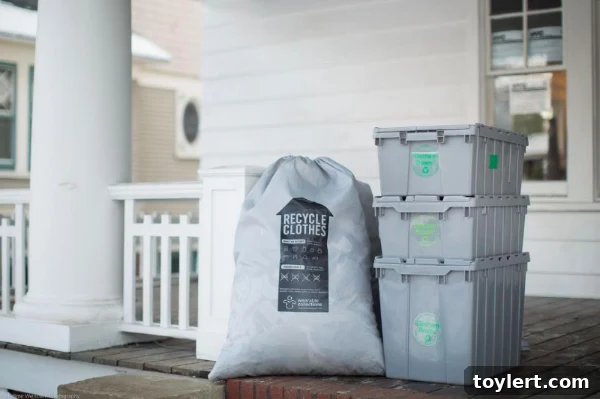
Green moving is about minimizing the environmental impact of relocation. It’s a holistic approach that considers every aspect of the moving process, from packing materials to transportation. A cornerstone of this movement is the use of reusable moving bins. Unlike single-use cardboard boxes that are often discarded after one move, these sturdy, recyclable plastic bins can be rented, used, and then returned, drastically reducing waste. They’re not only eco-friendly but also offer superior protection for belongings, stack easily, and require no assembly tape, saving time and resources.
Beyond reusable bins, green moving encompasses several other key practices:
- Donating and Recycling: Instead of trashing unwanted furniture, clothing, or household items, green movers prioritize donating them to charities or recycling centers. This reduces landfill waste and benefits others.
- Eco-Friendly Packing Materials: Opting for biodegradable packing peanuts, recycled paper, or even old blankets and towels instead of new plastic bubble wrap minimizes environmental harm.
- Sustainable Transportation: Choosing movers who utilize fuel-efficient vehicles or optimize routes to reduce carbon emissions. Some innovative companies even explore electric moving trucks for local moves.
- Minimizing Waste: Being mindful of waste generated during the packing and unpacking process, and ensuring proper disposal of all materials.
Tips for a Smooth and Sustainable NYC Move
Whether you’re moving across boroughs or just down the street, incorporating green practices can make your next NYC relocation less chaotic and more environmentally responsible:
- Plan Ahead: Start decluttering weeks, if not months, before your move date. The less you move, the less waste you generate.
- Declutter Ruthlessly: Go through your belongings and decide what truly needs to come with you. Donate, sell, or recycle items you no longer need. Consider organizations that pick up unwanted goods.
- Rent Reusable Bins: Companies specializing in reusable moving bins deliver them to your door and pick them up once you’ve unpacked, making the process incredibly convenient and eco-friendly.
- Source Sustainable Packing Materials: Use old newspapers, towels, or shredded paper for cushioning. Ask local stores if they have spare boxes (though reusable bins are better).
- Hire Green Movers: Look for moving companies that explicitly state their commitment to sustainability, offering services like reusable bin rentals, efficient routing, and responsible disposal practices.
- Be Mindful of Food Waste: Plan your meals to minimize food waste before the move. Donate non-perishable items to a food bank.
- Coordinate Logistics: For NYC apartments, book elevator times in advance, communicate with building management, and be aware of any parking restrictions for the moving truck.
From Historical Mayhem to Modern Mindfulness
New York City’s journey from a single, city-wide Moving Day of unprecedented chaos to a modern era of year-round, increasingly sustainable relocations is a testament to its adaptive spirit. The historical May 1st spectacle remains a fascinating chapter in the city’s past, a quirky tradition that highlights the unique pressures and communal spirit of urban life. Today, while the specific “law” of Moving Day is long gone, the challenges of moving in a densely populated city persist.
However, the focus has shifted. As New Yorkers continue to navigate the complexities of apartment life, there’s a growing awareness of our environmental footprint. Embracing green moving practices—from utilizing durable, reusable bins to making conscious choices about waste—not only makes the moving process more efficient and less stressful but also contributes to a healthier, more sustainable future for the city we all call home. Moving in NYC might always be an adventure, but now, it can be an adventure with a conscience.