Crown Heights Reimagined: Historic Nassau Brewery Site Transforms into Modern Mixed-Use Haven
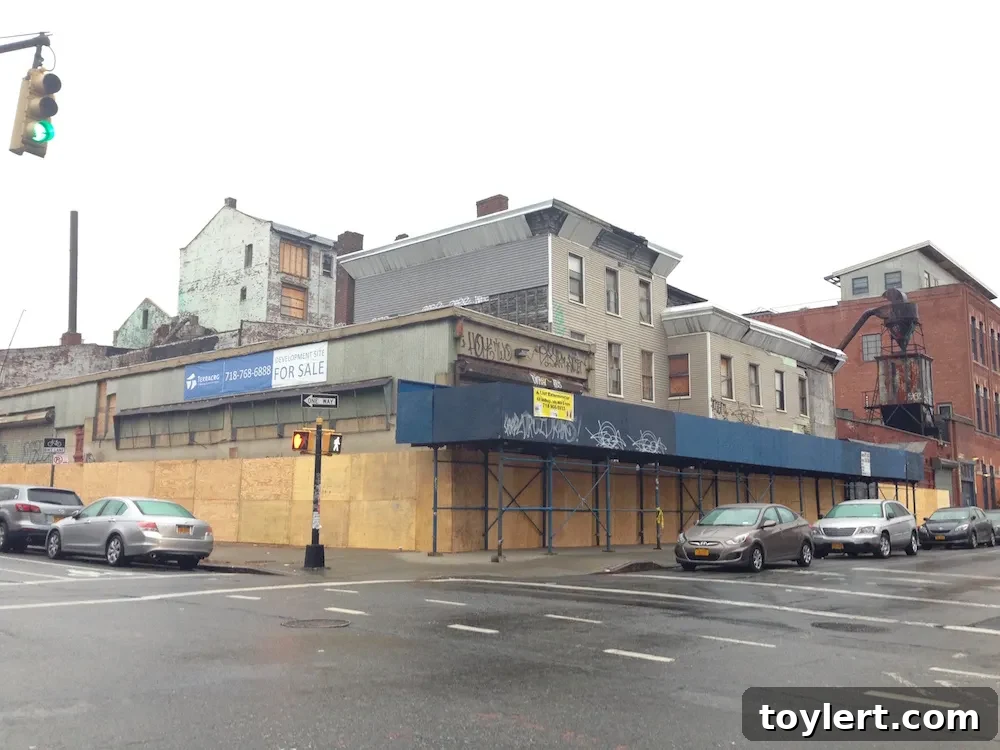
The sounds of jackhammering recently erupted on Dean Street, near the vibrant Franklin Avenue in Crown Heights, signaling the dawn of a significant new chapter for a prominent Brooklyn block. Workers have begun erecting a plywood fence around a substantial portion of the venerable Nassau Brewery complex, initiating the preliminary stages of a much-anticipated redevelopment project. While demolition applications for the brick building at 1048 Dean Street and the adjacent wood structures at 1042 Dean Street and 1046 Dean Street were filed and approved in July, the official permits are now on the verge of issuance, paving the way for the transformation of this historic site. The demolition marks a pivotal moment for Crown Heights, as one of its last remaining industrial giants prepares to make way for a contemporary vision of urban living, meticulously designed by the renowned architectural firm, ODA.
The End of an Era: Unearthing the Legacy of Nassau Brewery
For generations, the Nassau Brewery complex has been an enduring fixture of Dean Street, its imposing brick structures standing as a testament to Brooklyn’s rich industrial past. Established in the late 19th and early 20th centuries, the brewery played a vital role in the local economy, providing jobs and contributing to the social fabric of the neighborhood. Its impressive scale and robust architecture spoke volumes about an era when brewing was a cornerstone industry in New York City. Over the decades, as industrial landscapes shifted and tastes evolved, the brewery ceased its operations, and its buildings gradually fell into disuse or housed various smaller enterprises. Despite its changing fortunes, the complex retained a unique character, serving as a silent sentinel to the transformations of Crown Heights. The sight of it now being prepared for demolition evokes a complex mix of nostalgia for the past and anticipation for the future, highlighting the delicate balance between preserving historical heritage and embracing progressive urban development.
The brick building at 1048 Dean Street, clearly visible to the right of the blue shed in existing photographs, alongside its wooden counterparts, embodies this industrial legacy. These structures, while historically significant, no longer meet the demands of a rapidly evolving city. Their planned removal, though a poignant farewell to a piece of Brooklyn’s past, is a necessary step to unlock the potential of this prime location. The redevelopment represents a broader trend across New York City, where former industrial sites are being revitalized to address contemporary housing needs and create dynamic community spaces, often integrating elements of their historical identity into new designs where possible.
Demolition Underway: Paving the Way for Progress
The current activity on Dean Street, from the persistent thrum of jackhammers to the installation of sturdy plywood fencing, clearly indicates that the site is actively transitioning into its next phase. These visible cues signal the commencement of site preparation, a critical initial step before any major demolition or construction can begin. The approved demolition applications, as detailed on the NYC Department of Buildings BISWEB portal, confirm the official intent to clear the existing structures. This transparency is crucial for residents and stakeholders, allowing them to track the progression of the project and understand the regulatory framework governing such significant urban changes. While the official permits are still awaiting final issuance, the preliminary work underscores the commitment to move forward with the development.
Such large-scale demolition projects are meticulously planned, taking into account safety, environmental impact, and minimizing disruption to the surrounding community. For those living and working near Dean Street, these early stages mean navigating temporary changes in pedestrian and vehicular traffic patterns, along with the inevitable sounds of construction. However, these temporary inconveniences are a necessary prelude to the long-term benefits promised by the new development. The detailed planning ensures that the demolition proceeds efficiently and safely, laying a solid foundation for the subsequent construction of modern infrastructure designed to enhance the neighborhood’s vitality.
ODA Architects Unveil a Modern Vision for Dean Street
As reported previously, the site’s future is in the visionary hands of ODA Architects, a firm celebrated for its innovative and often dramatic contributions to urban landscapes globally. ODA is poised to transform the Nassau Brewery complex into a stunning, glassy mixed-use building that promises to redefine luxury and community living in Crown Heights. The proposed structure will soar eight stories high, a significant addition to the local skyline, and is meticulously designed to house 120 residential units. This substantial influx of new housing is strategically important for a neighborhood experiencing significant growth and demand, providing much-needed options for a diverse range of residents.
ODA’s design philosophy typically emphasizes creating buildings that are not only aesthetically striking but also deeply connected to their urban environment, promoting light, air, and engaging communal spaces. Their approach often seeks to blend modern sensibilities with an understanding of historical context, though in this case, the focus is clearly on a forward-looking, contemporary aesthetic. The choice of a “glassy” facade suggests a building that will maximize natural light, offer panoramic views, and present a sleek, modern appearance that contrasts with the traditional brick architecture prevalent in parts of Crown Heights. This architectural decision reflects a broader trend in urban development, aiming to create vibrant, transparent, and welcoming structures that contribute positively to the streetscape.
A Commitment to Community: Residential Offerings and Affordable Housing
Beyond its striking exterior, ODA’s design for Dean Street addresses a critical need within New York City: affordable housing. A commendable 20 percent of the 120 planned units will be designated as affordable housing, a vital component that underscores a commitment to fostering an inclusive and diverse community. In a city where housing affordability remains a pressing concern, the integration of affordable units within market-rate developments is paramount. This strategic allocation helps ensure that the benefits of new construction are accessible to a wider demographic, preventing the neighborhood from becoming exclusive to only the wealthiest residents.
The remaining units are expected to cater to the growing demand for modern, amenity-rich living spaces in Crown Heights. Prospective residents can anticipate a range of thoughtfully designed apartments, likely featuring contemporary finishes, efficient layouts, and access to a suite of desirable amenities. While specific details on these amenities are still emerging, similar high-end developments by ODA and others typically include features like state-of-the-art fitness centers, shared co-working spaces, inviting communal lounges, and often, beautifully landscaped rooftop terraces offering breathtaking views of Brooklyn and Manhattan. These features enhance the quality of life for residents, fostering a sense of community and providing spaces for relaxation, work, and social interaction within the building itself.
Crown Heights: A Neighborhood in Dynamic Transformation
This development on Dean Street is more than just a new building; it is a microcosm of the profound transformation sweeping across Crown Heights. Once a quiet, historically rich residential enclave, Crown Heights has rapidly evolved into one of Brooklyn’s most sought-after neighborhoods. Its unique blend of historic brownstones, cultural institutions like the Brooklyn Museum and Botanic Garden, and an increasingly diverse array of independent shops, cafes, and restaurants has attracted a wave of new residents and investments. This rapid change brings with it both immense opportunities and significant challenges.
The influx of new residential buildings and commercial enterprises has undoubtedly revitalized stagnant commercial corridors and brought new energy to the streets. It has also led to increased property values, heightened demand for services, and a shifting demographic landscape. While this growth signifies economic vitality, it also raises important questions about gentrification, the potential displacement of long-term residents and businesses, and the preservation of the neighborhood’s distinctive cultural identity. The new ODA development, particularly with its affordable housing component, attempts to navigate these complexities by contributing to the housing supply while acknowledging the need for socioeconomic diversity.
Economic and Social Implications for the Community
The construction and subsequent operation of a large mixed-use development like the one planned for Dean Street will have multifaceted economic and social implications for Crown Heights. Economically, the project will generate jobs during the construction phase and potentially create new employment opportunities through ground-floor retail or commercial spaces. Increased residential density often supports local businesses, leading to a more vibrant and economically robust commercial environment. Furthermore, new developments typically contribute to the tax base, which can fund improved public services and infrastructure within the community.
Socially, the project will integrate new residents into the existing community, enriching its diversity and potentially fostering new cultural exchanges. The inclusion of affordable housing is crucial in mitigating some of the negative social impacts often associated with rapid development, helping to ensure that Crown Heights remains a place where people of varying income levels can live and thrive. However, thoughtful urban planning and ongoing community engagement will be essential to manage the increased demand on local infrastructure, such as schools, public transportation, and recreational spaces, ensuring that the neighborhood’s growth is sustainable and beneficial for all its inhabitants.
The Future of Urban Living in Brooklyn
The Dean Street project by ODA Architects stands as a beacon for the future of urban living in Brooklyn. It embodies a contemporary approach to city planning that prioritizes mixed-use functionality, architectural innovation, and social responsibility. By transforming a dormant industrial site into a vibrant residential and commercial hub, the development demonstrates how Brooklyn continues to evolve, adapting to the needs of its growing population while striving to maintain its unique character.
This initiative also highlights Brooklyn’s appeal as a destination for leading architectural firms to realize ambitious projects. The emphasis on high-quality design, coupled with a commitment to providing diverse housing options, sets a precedent for future developments across the borough. As Crown Heights continues its dynamic journey, projects like the one at the former Nassau Brewery complex will be instrumental in shaping its identity for decades to come, offering a glimpse into the sophisticated, integrated urban environments that define modern Brooklyn.
What’s Next for Dean Street?
With demolition permits on the verge of official issuance and site preparation already underway, the next steps for the Dean Street project will involve the full demolition of the existing brewery structures. Following this, the construction phase will commence, a process that typically spans several years, transforming the site from a historical landmark into a contemporary architectural statement. Residents and stakeholders can anticipate a period of active construction, during which the new eight-story, 120-unit building will rise. This new structure promises to bring not only a significant number of new homes but also potential retail or community spaces at ground level, further enriching the pedestrian experience along Dean Street and Franklin Avenue.
The completion of this development will undoubtedly alter the streetscape, introducing a modern aesthetic that complements the diverse architectural tapestry of Crown Heights. It will stand as a new landmark, signifying the continuous evolution of a neighborhood that gracefully blends its historic past with a dynamic, forward-looking future. This project is a crucial piece in the ongoing puzzle of urban development in Brooklyn, reflecting the borough’s constant reinvention and its enduring appeal as a vibrant place to live, work, and connect.
In conclusion, the transformation of the Nassau Brewery complex on Dean Street is more than just a construction project; it’s a testament to Crown Heights’ ongoing evolution. By blending a respect for history with a keen eye on modern needs, ODA Architects’ vision for a glassy, mixed-use building, complete with essential affordable housing, promises to contribute significantly to the neighborhood’s dynamism. This development will not only reshape a key block but will also reinforce Crown Heights’ position as a vibrant and desirable destination within the thriving landscape of Brooklyn, fostering a future that balances growth with community well-being.