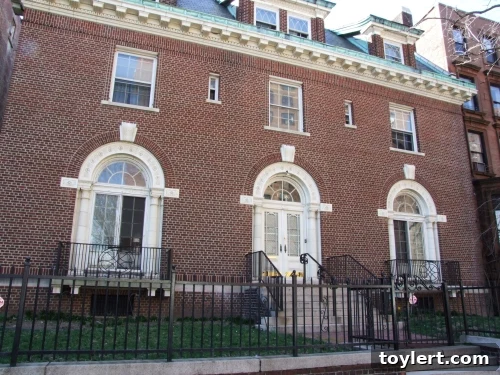
The Enduring Grandeur of 384 Clinton Avenue: The Julius Liebman Mansion
Nestled in the heart of Brooklyn’s historic Clinton Hill neighborhood stands a magnificent testament to an era of unparalleled prosperity and architectural sophistication: the Julius Liebman Mansion at 384 Clinton Avenue. This distinguished residence, built in 1909, is more than just a house; it’s a living piece of Brooklyn’s rich past, a beacon of Neo-Federal design, and a symbol of the ambitious families who shaped the borough’s identity. As we explore its history, we uncover the fascinating story of its original owner, its renowned architects, and the vibrant neighborhood it calls home, showcasing Brooklyn’s legacy one iconic building at a time.
A Glimpse into Architectural Prestige: Key Details of the Julius Liebman Mansion
The Julius Liebman Mansion embodies a blend of historical significance and architectural beauty. Its meticulous design and prominent location speak volumes about the stature of its original inhabitants and the prestige of Clinton Hill in the early 20th century. Here are the defining characteristics of this remarkable property:
- Name: Julius Liebman Mansion
- Address: 384 Clinton Avenue
- Cross Streets: Lafayette and Greene Avenues
- Neighborhood: Clinton Hill, Brooklyn
- Year Built: 1909
- Architectural Style: Neo-Federal
- Architect: Herts & Tallant
- Other Notable Work by Architect: Brooklyn Academy of Music (BAM), Helen Hayes Theater (demolished), Lyceum Theater, and New Amsterdam Theater (all in Manhattan)
- Landmarked: Yes, designated as part of the Clinton Hill Historic District in 1981
Architectural Grandeur: The Neo-Federal Masterpiece
The Julius Liebman Mansion is a quintessential example of Neo-Federal architecture, a style that emerged in the early 20th century, drawing inspiration from the elegant Federal style popular in the United States from the late 18th to the early 19th centuries. Characterized by its classical restraint, symmetry, and refined detailing, Neo-Federal architecture offered a sophisticated alternative to the more ornate Victorian styles that dominated the previous decades.
At 384 Clinton Avenue, Herts & Tallant masterfully executed this vision. The mansion’s facade likely features a harmonious balance, often incorporating elements like elaborate cornices, delicate window enframements, and perhaps a stately portico or entranceway that exudes understated luxury. Unlike the sprawling, sometimes asymmetrical designs of earlier Victorian mansions on Clinton Avenue, the Neo-Federal style prioritized clean lines, well-proportioned masses, and a sense of dignified permanence. This choice of style reflected a shift in aesthetic taste among the wealthy elite, favoring a more “American” classical revival that evoked a sense of history and national identity without being overtly ostentatious. The materials used, often high-quality brick or stone, contribute to its enduring presence and sophisticated appeal, ensuring it stands as a proud example of its architectural lineage.
The Visionaries Behind the Stone: Herts & Tallant
The selection of Herts & Tallant as architects for the Julius Liebman Mansion speaks volumes about the original owner’s desire for excellence and a distinctive design. Hugh Tallant and Henry Herts were a prominent architectural firm known for their innovative and diverse portfolio, particularly their significant contributions to New York City’s cultural and theatrical landscape. While they might be best recognized for their groundbreaking work on some of Broadway’s most iconic theaters—including the Lyceum Theater, a marvel of steel-frame construction, and the opulent New Amsterdam Theater, a dazzling Art Nouveau masterpiece—their residential projects demonstrated an equally refined touch.
Their design for the Brooklyn Academy of Music (BAM) further solidified their reputation as architects capable of creating grand, culturally significant buildings that were both functional and aesthetically magnificent. The Liebman Mansion, therefore, benefited from the same architectural prowess and attention to detail that went into designing these public landmarks. Their ability to translate a grand vision into a personal residence, marrying functionality with a specific architectural style like Neo-Federal, underscores their versatility and skill. The mansion is not merely a structure but a crafted environment, thoughtfully designed by architects whose influence profoundly shaped the urban fabric of both Brooklyn and Manhattan.
Julius Liebman and the Rheingold Legacy: A Family Fortune Forged in Brewing
The story of 384 Clinton Avenue is inextricably linked to the remarkable saga of the Liebman family and their brewing empire. Julius Liebman, the man who commissioned this impressive residence in 1909, was the grandson of Samuel Liebman, the visionary who founded the Liebman Brewery in Williamsburg, Brooklyn. From humble beginnings, the Liebman Brewery grew to become one of the most successful and beloved beer producers in the region, eventually gaining national recognition under its more famous name: Rheingold.
Julius Liebman represented the third generation to take the helm of this flourishing family business. His leadership proved crucial during one of the most challenging periods in American history for the alcohol industry: Prohibition. While many breweries across the country were forced to shutter their doors, Liebman’s business acumen shone brightly. He shrewdly navigated the restrictive laws by pivoting to the production and sale of “near-beer,” a low-alcohol beverage that complied with Prohibition regulations. This strategic move was not merely about survival; it was a testament to his foresight and adaptability, enabling the Liebman Brewery to retain its infrastructure, workforce, and, critically, the family fortune. This ensured that when Prohibition was finally repealed, the company was perfectly positioned to re-enter the lucrative beer market with renewed vigor, eventually propelling Rheingold Extra Dry Lager to iconic status and making it one of New York City’s best-selling beers. The wealth generated by this enduring success allowed Julius Liebman to commission a residence fitting his family’s esteemed place in Brooklyn society, a home that reflected their achievements and prominence.
Clinton Hill: A Neighborhood of Unrivaled Prestige
By the time the Julius Liebman Mansion was constructed in the early 20th century, Clinton Hill had firmly established itself as Brooklyn’s premier upscale neighborhood. Its wide, tree-lined avenues and stately homes attracted an enviable roster of the borough’s most influential and affluent families. Clinton Avenue, in particular, was known as “Big Money Avenue,” a veritable showcase of architectural splendor and social status.
The street was graced by the expansive Victorian-era mansions of industrial magnates and prominent citizens such as the Pratts (of the Pratt Institute and Standard Oil fame), the Hoaglands, the Schierens, the Pouches, the Arbuckles (coffee empire), the Jennings, the Bedfords, and the Palmers, among many others. These families, whose names resonate with Brooklyn’s industrial and philanthropic history, built magnificent homes that rivaled those of Manhattan’s elite. Clinton Hill offered a perfect blend of urban convenience and suburban tranquility, with grand estates boasting ample gardens and a sense of privacy, all within easy reach of Manhattan via the newly developed transportation networks. Julius Liebman, with his family’s significant wealth and societal standing, fit seamlessly into this exclusive enclave, choosing to build his own architectural statement among these titans of Brooklyn industry and commerce. His mansion stood as a testament to Clinton Hill’s reputation as a residential paradise for those who had truly “made it” in Brooklyn.
Preserving History: The Landmark Status
The enduring significance of the Julius Liebman Mansion and its surrounding streetscape was formally recognized in 1981 when it was designated as part of the Clinton Hill Historic District. This landmark status is not merely an honorary title; it serves as a critical protective measure, safeguarding the architectural integrity and historical character of one of Brooklyn’s most distinguished neighborhoods.
Being part of a historic district means that strict guidelines are in place to ensure that any alterations, repairs, or new constructions within the district adhere to a standard that preserves the area’s original aesthetic and historical context. For structures like 384 Clinton Avenue, this protection ensures that its Neo-Federal details, its overall massing, and its relationship to neighboring historic properties are maintained for future generations. The Clinton Hill Historic District, with its diverse collection of grand mansions, row houses, and institutional buildings, tells a compelling story of Brooklyn’s development, its architectural evolution, and the lives of the prominent families who called it home. The Julius Liebman Mansion, as a jewel within this district, continues to contribute significantly to the visual splendor and historical narrative that makes Clinton Hill such a unique and cherished part of New York City’s heritage.
A Lasting Legacy on Clinton Avenue
The Julius Liebman Mansion at 384 Clinton Avenue stands as a magnificent emblem of Brooklyn’s golden age. From its elegant Neo-Federal architecture, meticulously crafted by the renowned firm of Herts & Tallant, to its association with the legendary Liebman family and the Rheingold Brewery, every facet of this building tells a compelling story. It speaks of a time when Clinton Hill was the epitome of prestige, a bustling hub for Brooklyn’s elite, and a testament to the enduring entrepreneurial spirit that shaped the borough.
Today, the mansion continues to grace Clinton Avenue, a proud sentinel of history and architectural beauty. Its landmark status ensures that its grandeur will be preserved, allowing future generations to marvel at its design and reflect on the rich tapestry of lives and legacies woven into the very fabric of Brooklyn. The Julius Liebman Mansion is more than just an address; it is a vital chapter in the ongoing narrative of Brooklyn, one building at a time.