Transforming NYC’s Landscape: Building Affordable Homes on Vacant Lots and Community Gardens
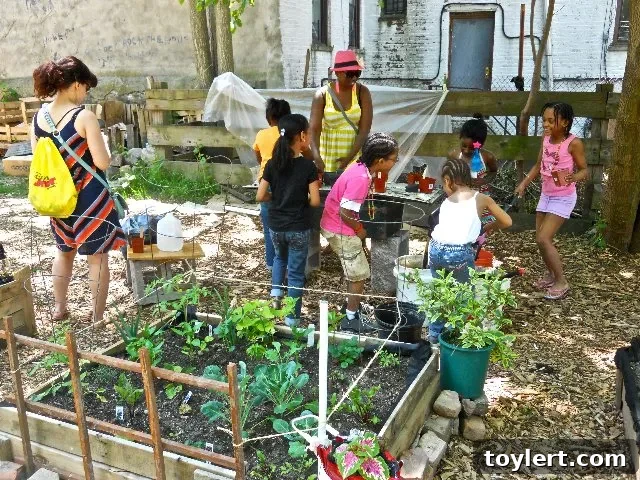
New York City, a vibrant metropolis constantly in flux, faces an enduring challenge: providing adequate and affordable housing for its diverse population. In an ambitious move to tackle this crisis, the city administration is embarking on a significant urban development initiative. This plan involves repurposing hundreds of publicly owned vacant lots across the five boroughs, with a specific focus on transforming them into much-needed affordable housing units. What makes this initiative particularly noteworthy, and in some cases controversial, is its inclusion of at least 15 existing community gardens slated for development.
This extensive undertaking signals a crucial pivot in urban planning, aiming to leverage underutilized public spaces to create tangible housing solutions. The initiative, spearheaded by the Department of Housing Preservation and Development (HPD), represents a strategic effort to expand the city’s housing stock and offer diverse homeownership and rental opportunities to New Yorkers at various income levels.
The Urgency of Affordable Housing in New York City
The demand for affordable housing in New York City continues to outpace supply, creating immense pressure on residents and contributing to displacement and homelessness. Skyrocketing rents and property values have made it increasingly difficult for middle and low-income families to secure stable housing, impacting the city’s economic diversity and social fabric. Recognizing this critical need, the city’s development strategy is designed to unlock the potential of dormant public parcels, transforming them into thriving residential communities.
The current plan involves developing numerous sites across Brooklyn, Manhattan, Queens, the Bronx, and Staten Island. Our analysis indicates that the comprehensive list of properties released by HPD includes 122 sites in Brooklyn alone. Among these, at least seven are currently operating as beloved community gardens, sparking important conversations about balancing housing needs with the preservation of vital green spaces. This approach reflects the city’s commitment to addressing its housing deficit through innovative land-use strategies, even as it navigates the complex social and environmental implications.
HPD’s Strategic Approach: The Request for Qualifications (RFQ)
To execute this large-scale development, the Department of Housing Preservation and Development (HPD) plays a central role. Following the release of the official list of publicly owned sites, HPD issued a Request for Qualifications (RFQ). This critical step invited qualified developers to submit proposals for building small-scale affordable housing projects on these designated sites. The RFQ process is designed to attract experienced and capable development teams that can deliver high-quality, affordable housing units efficiently and responsibly.
The focus on “small affordable housing projects” is a deliberate choice. It aims to integrate new developments seamlessly into existing neighborhoods, avoiding the potential for large-scale disruptions often associated with mega-projects. This strategy also encourages diverse architectural approaches and fosters community-centric design, ensuring that new housing complements the character of its surroundings. Developers are encouraged to present innovative solutions that not only meet affordability targets but also contribute positively to the urban environment. HPD’s stringent qualification criteria ensure that only developers with a proven track record of successful, community-focused projects are considered for these vital initiatives.
Diverse Housing Options for a Diverse City
The city’s development framework offers developers considerable flexibility in the types of housing they can construct, catering to a wide range of needs and preferences. Builders have the option to propose small affordable rental buildings, cooperative housing units (co-ops), condominiums (condos), or one- to four-family townhouses. This variety ensures that the new housing stock can serve different segments of the population, from individuals and small families seeking rental options to those aspiring to homeownership.
Specifically, the affordable condos or co-ops developed under this program are limited to a maximum of 14 units. This size restriction is intended to promote developments that are manageable, blend well with existing low-rise and medium-density neighborhoods, and maintain a sense of community. Limiting the number of units also helps to prevent over-densification in specific areas, supporting sustainable urban growth. These homeownership opportunities are particularly significant for New Yorkers looking to build equity and establish long-term roots in their communities.
The NIHOP Program: A Pathway to Affordable Homeownership
A cornerstone of this initiative is the New Infill Homeownership Opportunities Program (NIHOP), designed to facilitate the creation of affordable co-ops and townhomes. Projects developed through NIHOP are tailored to make homeownership accessible to a crucial segment of the city’s workforce and families. This program is particularly aimed at families earning between 80 to 130 percent of the Area Median Income (AMI). For context, this currently translates to an income range of approximately $83,900 to $109,070 for a family of four in New York City.
NIHOP is structured to ensure equitable access, with a significant provision that one-third of the units built through the program are specifically set aside for families earning 80 to 90 percent of the AMI. This tiered approach helps to serve those at the lower end of the eligible income spectrum, who often face the greatest barriers to homeownership in a high-cost city like New York. By targeting these income brackets, NIHOP aims to create stable, long-term housing solutions that foster economic mobility and community stability, preventing the exodus of essential workers and middle-class families from the city.
Community Gardens: Balancing Green Spaces with Development Needs
The inclusion of community gardens on the list of potential development sites has understandably generated significant discussion and concern among residents and environmental advocates. Community gardens are more than just green patches; they are vital community assets that provide numerous benefits. They serve as essential green infrastructure, contributing to urban biodiversity, improving air quality, and mitigating the urban heat island effect. Beyond environmental advantages, these gardens often function as crucial social hubs, fostering community cohesion, offering educational opportunities, and providing access to fresh produce in food deserts.
The proposed development of these cherished spaces, such as the one exemplified by 462 Halsey Street, raises legitimate questions about the trade-offs involved in urban development. While the need for affordable housing is paramount, the destruction of established community gardens can lead to a loss of invaluable public space, cultural heritage, and local resilience. Advocates argue for a more balanced approach, exploring alternatives such as integrating new green spaces within developments, utilizing rooftop gardens, or exploring vertical farming solutions that can coexist with residential buildings. The city’s challenge lies in finding creative solutions that can deliver much-needed housing while preserving or even enhancing the environmental and social benefits that community gardens offer. Public engagement and transparent dialogue will be crucial in navigating this delicate balance.
The Road Ahead: Opportunities and Challenges
This ambitious housing initiative presents both significant opportunities and formidable challenges for New York City. On the opportunity side, the development of hundreds of new affordable housing units will undoubtedly alleviate some of the pressure on the city’s housing market, offering stability and hope to thousands of families. It can stimulate local economies through construction jobs and associated services, and breathe new life into previously underutilized urban parcels. The focus on smaller, infill developments also promotes sustainable growth patterns, maximizing existing infrastructure and reducing urban sprawl.
However, the path is not without its hurdles. Beyond the emotional and practical challenges of converting community gardens, the city must ensure that the new housing truly remains affordable in the long term, protected from market fluctuations. Infrastructure, such as schools, public transportation, and utilities, must be capable of supporting increased population density in these areas. Furthermore, ensuring robust community input throughout the planning and development phases will be critical to garnering support and addressing local concerns. Success will hinge on transparent processes, equitable distribution, and a commitment to not just building houses, but fostering resilient, inclusive communities.
A Sustainable Vision for New York’s Future
New York City’s plan to transform vacant lots and, in some cases, community gardens into affordable housing is a bold response to an ongoing crisis. It underscores the city’s dedication to creating a more equitable and accessible urban environment for all its residents. By leveraging publicly owned land and engaging qualified developers through programs like NIHOP, the city is actively working to expand homeownership and rental opportunities across various income brackets.
While the challenges are undeniable, particularly concerning the future of beloved community gardens, this initiative also represents an opportunity for thoughtful urban planning. It calls for innovative solutions that prioritize both human shelter and environmental well-being, fostering a future where housing stability and vibrant green spaces can coexist. The success of this endeavor will ultimately be measured not just by the number of units built, but by the strength and resilience of the communities it creates.