Remembering Colin Devlin: The Enduring Legacy of DuMont and Brooklyn’s Evolving Culinary Landscape
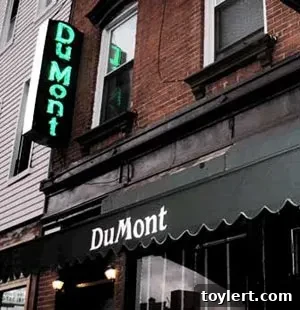
The news resonated deeply within the culinary community and beyond: Colin Devlin, the visionary founder of the beloved Brooklyn eatery DuMont, was tragically found deceased in Pennsylvania. Reports indicated a profound personal struggle, suggesting a suicide following immense financial pressures and business setbacks, including a denied loan for new ventures after the sudden closure of Dressler due to lease complications. This heart-wrenching loss brought to light the often-unseen struggles faced by entrepreneurs, particularly in the cutthroat world of the restaurant industry.
Colin Devlin’s passing served as a somber reminder of the intense pressures and personal toll that come with building and sustaining a business, especially one that becomes an integral part of a community’s fabric. His story is not just one of tragedy, but also of pioneering spirit and significant contribution to what is now recognized globally as the distinctive Brooklyn culinary identity. It compels us to reflect on the legacy he created and the dynamic shifts that have reshaped one of New York City’s most vibrant boroughs.
DuMont: A Pioneer in the Brooklyn Dining Revolution
For many, DuMont was more than just a restaurant; it was a cornerstone of early 2000s Williamsburg, a true neighborhood secret before the area became the bustling cultural and gastronomic hub it is today. In an era when Williamsburg’s dining options were far fewer and less refined, DuMont, alongside its contemporary Diner, played an instrumental role in shaping not just Brooklyn’s burgeoning culinary scene but also its broader aesthetic. These establishments curated an experience that was distinctly “Brooklyn style” – unpretentious yet sophisticated, deeply rooted in its locale while still offering a fresh perspective on urban dining.
What set DuMont apart was its incredible value proposition, delivered within a low-key, inviting atmosphere that exuded a charming, nostalgic appeal. The restaurant consciously incorporated 19th-century touches, such as its iconic white-painted tin ceiling, a beautiful Victorian tile floor, and rich, dark woodwork, creating an ambiance that felt both timeless and genuinely welcoming. This distinctive decor provided a cozy, intimate backdrop for its patrons, making every visit feel like a special occasion without the accompanying hefty price tag. For instance, its hormone-free half chicken, a menu staple, was famously priced at just $12, a testament to its commitment to quality and affordability. The appetizers and salads were always inventive, reflecting a kitchen that embraced creativity and seasonality, ensuring that the menu felt fresh and exciting with each visit.
DuMont established itself as a destination for quality comfort food that resonated with the then-emerging “Brooklyn scenesters,” offering a culinary experience that was both accessible and aspirational. It wasn’t just about the food; it was about the entire sensory experience – the taste, the atmosphere, the feeling of discovering a hidden gem. This combination proved to be a winning formula, drawing in a dedicated clientele and cementing its reputation as a trendsetter in the borough’s evolving food landscape.
Colin Devlin: The Visionary Behind the Charm
As The New York Times aptly noted, friends and former colleagues painted a vivid picture of Colin Devlin as a gregarious individual, brimming with grand entrepreneurial ideas and an infectious enthusiasm. He was a man who dared to dream big, to build spaces that were more than just eateries but cultural touchstones. His ambition was evident in his desire to expand, to create new culinary experiences even as his existing ventures navigated increasingly complex waters. This entrepreneurial drive, while admirable, often masked the intense private struggles he endured behind the scenes.
Devlin, like many passionate restaurateurs, carried the immense stresses of the business personally. The restaurant industry, with its notoriously thin margins, demanding schedules, and constant operational challenges, can be a relentless beast. For Devlin, these pressures were exacerbated by the rapidly changing landscape of Williamsburg. What was once a relatively untouched frontier, where his innovative concepts faced little competition, transformed into a highly competitive marketplace. The “winning formula” of serving elevated comfort food to a niche audience suddenly found itself challenged by dozens of new establishments, each vying for a slice of the pie, alongside the exponential rise in real estate prices.
His story underscores the immense emotional and psychological toll that entrepreneurship can exact, particularly when personal passion is deeply intertwined with financial viability. The pressure to innovate, to adapt, and to continuously succeed can become an overwhelming burden, especially when external factors like market shifts and loan rejections compound internal struggles. Colin Devlin was a testament to the creative spirit of Brooklyn, but also a stark reminder of the fragile balance between ambition and the harsh realities of business.
The Dynamic Transformation of Williamsburg and Its Impact
The story of DuMont and Colin Devlin is inextricably linked to the dramatic metamorphosis of Williamsburg itself. In its nascent stages, the neighborhood offered a unique blend of industrial grit and emerging artistic energy, providing fertile ground for independent businesses like DuMont to flourish. Rents were manageable, competition was scarce, and a sense of community fostered a supportive environment for pioneers. Restaurants like DuMont thrived by catering to a local clientele eager for authentic, quality dining experiences that felt distinct from Manhattan’s more established, often pricier, scene.
However, the very success of these early establishments contributed to Williamsburg’s rapid gentrification. Over time, the “neighborhood secret” became one of New York City’s hottest destinations. This surge in popularity brought with it a deluge of new residents, businesses, and, crucially, a dramatic escalation in real estate values. Landlords, recognizing the newfound profitability, began demanding significantly higher rents, often leading to the displacement of the very businesses that had initially brought character and appeal to the area. For established restaurants like DuMont, which had once enjoyed favorable lease terms, this meant navigating renegotiations that were often untenable, as seen with the abrupt closure of Dressler.
Moreover, the increased desirability of Williamsburg attracted a flood of new restaurateurs, many backed by significant capital, eager to capitalize on the thriving culinary scene. This influx intensified competition, making it increasingly difficult for original establishments to maintain their unique edge and market share. The landscape shifted from one of opportunity for independent visionaries to one demanding constant adaptation, aggressive marketing, and often, substantial investment to simply keep pace. Colin Devlin’s struggles to secure financing for new restaurants in this altered environment highlight the systemic challenges faced by even successful entrepreneurs when confronted with such seismic market shifts.
Navigating the Treacherous Waters of the Restaurant Industry
Colin Devlin’s experience casts a bright, albeit somber, light on the inherent difficulties of the restaurant industry. It is a business characterized by high overheads, including rent, labor, and food costs, all of which contribute to notoriously slim profit margins. A single misstep, a bad season, or an unexpected economic downturn can quickly erode years of hard-won success. The daily grind involves endless hours, meticulous attention to detail, and a constant balancing act between creative vision and financial prudence.
The quest for expansion, often seen as a sign of success, can also become a perilous endeavor. Opening new establishments requires significant capital, often sourced through loans, and a new set of logistical and operational challenges. When faced with a loan rejection, especially after having invested considerable time and effort into planning, the emotional and financial blow can be devastating. This is further compounded when an existing venture, like Dressler, faces an untimely demise due to circumstances beyond the owner’s immediate control, such as unfavorable lease renegotiations. Such events not only deplete resources but also inflict a heavy psychological toll, questioning an entrepreneur’s capabilities and vision.
Furthermore, the restaurant industry thrives on trends and novelty. What is cutting-edge one year can quickly become outdated the next. Staying relevant demands continuous innovation, investment in decor, menu evolution, and marketing, all of which require financial agility and foresight. For pioneering figures like Devlin, who helped define an era, adapting to a rapidly accelerating pace of change while grappling with legacy costs and increased competition presents an almost insurmountable challenge.
A Lasting Legacy and a Call for Empathy
Despite the tragic circumstances surrounding Colin Devlin’s passing, his enduring legacy, particularly through DuMont, remains an indelible part of Brooklyn’s culinary history. He was a genuine pioneer, a visionary who saw potential in an overlooked neighborhood and cultivated a dining experience that was both authentic and influential. DuMont’s blend of comfort, quality, and distinctive style laid much of the groundwork for what Brooklyn dining is celebrated for today.
His story also serves as a poignant reminder of the human cost behind entrepreneurial dreams. It highlights the often-invisible pressures that business owners face – the constant struggle for financial stability, the weight of responsibility for employees, and the immense personal investment in one’s craft. It is a call for greater empathy and understanding for those who dedicate their lives to creating spaces and experiences that enrich our communities. The vibrant, diverse Brooklyn dining scene we cherish today owes a significant debt to pioneers like Colin Devlin, whose passion and hard work helped forge its identity.
As we remember Colin Devlin, we celebrate his profound contributions to Brooklyn and reflect on the intricate dance between artistic vision, business acumen, and the ever-present human element. His impact on shaping Brooklyn’s unique gastronomic identity will not be forgotten, serving as a testament to the power of a single vision to transform a landscape.